
Seasonal Immunity Tips for Kids: Monsoon, Winter and Summer

A child's immune system does not face the same challenges year-round. The pathogens circulating, the nutritional demands, and the environmental stressors all shift with the season. A one-size approach to immunity misses these changes entirely.
Here is what to prioritise - and why - in each of India's three main seasons.
Monsoon: The Highest-Risk Season for Indian Children
Monsoon brings the highest concentration of infectious illness for children in India - waterborne diseases, viral fevers, respiratory infections, and fungal conditions all peak between June and September.
Why immunity is more challenged during monsoon:
- Humidity accelerates bacterial and fungal growth in food and environment
- Waterborne pathogens increase significantly in drinking water and street food
- Children spend more time indoors, increasing virus transmission
- Reduced sunlight means Vitamin D3 synthesis drops further
What to prioritise:
Vitamin D3 supplementation is non-negotiable during monsoon. Sunlight - the primary D3 source - is blocked by cloud cover for months. Children who already have low D3 (most urban Indian children) see levels drop further. D3 directly regulates immune activation; its absence is a direct liability during the highest-risk illness season.
Gut health becomes more critical. Monsoon food is higher risk for gut disruption - contaminated water, street food, and humidity-spoiled food all challenge gut bacteria. Prioritise home-cooked food, curd daily, and a prebiotic fibre source to maintain microbiome strength.
Add haldi to every cooked meal. Curcumin's antimicrobial properties are particularly useful during a season when bacterial and fungal exposure is elevated.
Winter: Respiratory Season
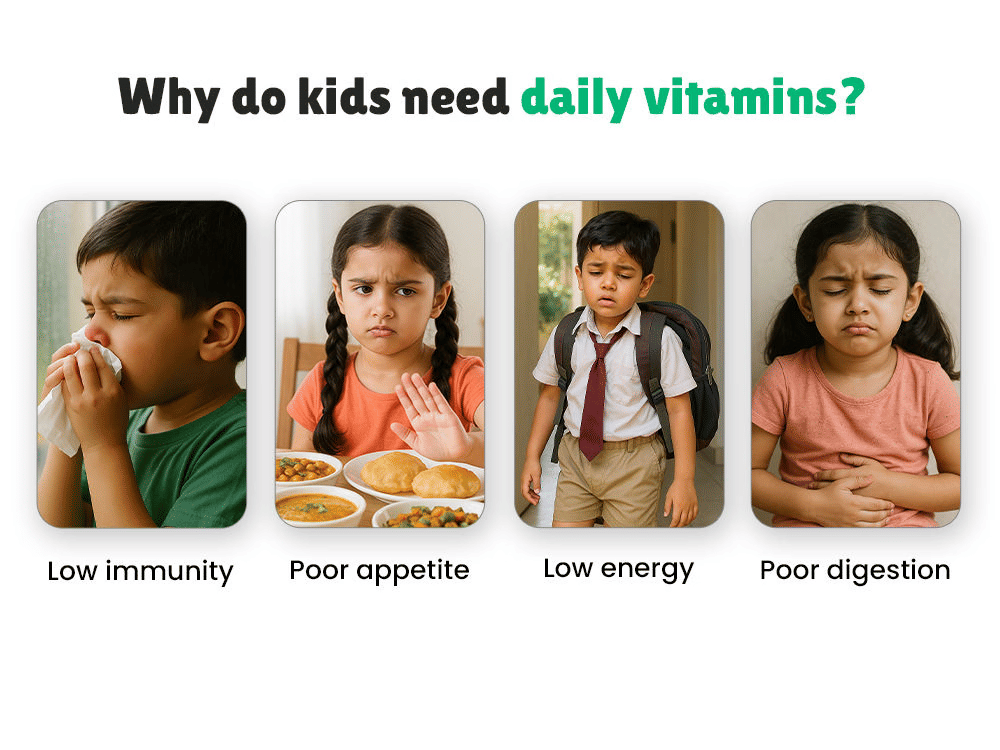
Winter in India is milder than in many countries, but it still brings a concentrated spike in respiratory infections - colds, coughs, and chest infections - particularly for children.
Why winter increases illness:
- Children spend more time in enclosed spaces with others
- Cold, dry air irritates the respiratory mucous membranes, making them more permeable to viruses
- Vitamin D3 synthesis drops in northern India due to lower sun angle
- Festive season often brings higher sugar consumption - which suppresses immune response
What to prioritise:
Zinc and Vitamin C daily. These two together shorten the duration and reduce the severity of respiratory infections. Start the routine before the cold season begins - waiting until the first cold arrives is too late.
Haldi milk (turmeric milk) consistently. Warm milk with a pinch of haldi and a small amount of ghee - the fat improves curcumin absorption. This traditional remedy has a genuine evidence base for respiratory immunity support.
Reduce added sugar during the festive period. Diwali and winter celebrations often mean daily sweets and fried snacks for children. Excess sugar temporarily suppresses immune cell activity for hours after consumption - a real liability during peak respiratory season.
Summer: Heat, Dehydration and Gut Stress
Summer in India brings a different immune challenge - heat stress, dehydration, and food spoilage risk. The immune threats shift from respiratory to gut-based.
Why summer affects immunity:
- Dehydration thickens mucus in the respiratory tract, reducing its pathogen-clearing ability
- Heat spoils food faster, increasing gut exposure to harmful bacteria
- Electrolyte loss through sweat affects cellular function including immune cells
- Children eat fewer hot meals and more processed, sweet, or cold options
What to prioritise:
Hydration first. Immune cells require water to function and transport efficiently. Children who are mildly dehydrated throughout a summer day have measurably impaired immune responses. Water, diluted amla juice, and coconut water are the best options.
Amla daily. Amla's Vitamin C is heat-stable in powder form and supports immune function during the oxidative stress that summer heat creates. Mix into a cold drink or curd for easy daily use.
Lighter, gut-friendly meals. Curd rice, dal khichdi, and fresh fruit over heavy fried foods reduces gut stress. A clean gut is a well-immunised gut during summer.

Multivitamin Gummies for Kids
100% Safe | Paediatrician Recommended
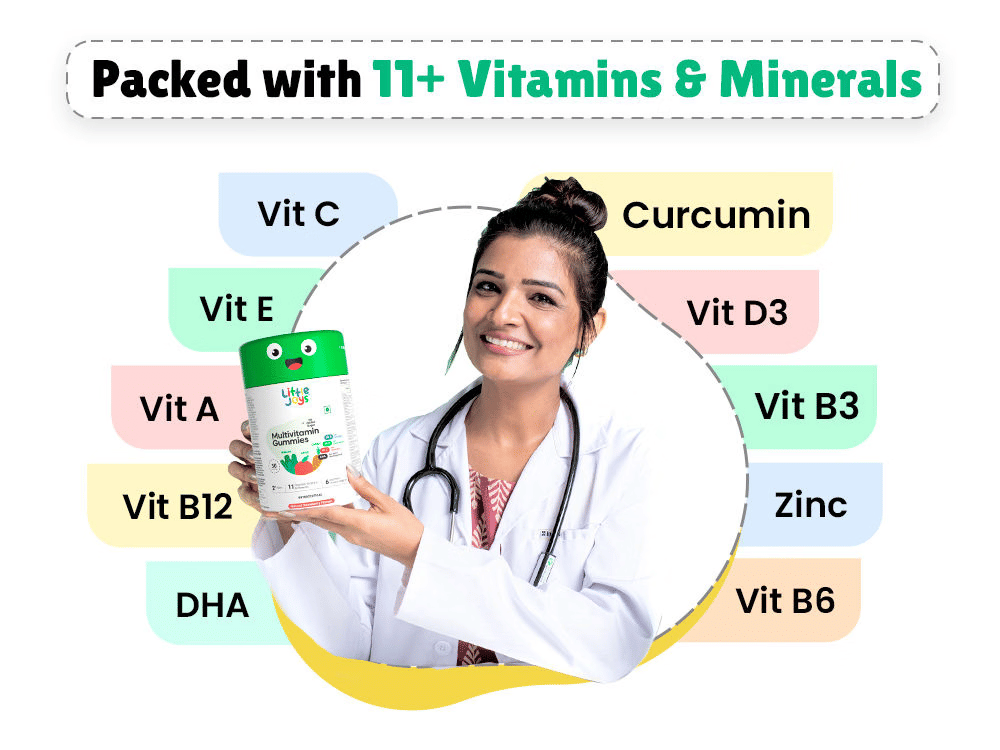
✅ 11+ vitamins & minerals for your little one's daily nutritional needs.
🍎 Contains 6 real fruits & vegetables! Fulfills any nutrition gaps in diet due to fussy or picky eating.
🛡️ Contains Vitamin C, Turmeric (Haldi), Vitamin B12 & Zinc which are known to boost immunity.
🚫 ZERO ADDED SUGAR - Uses a prebiotic fibre chicory root as its base. Along with gut health and immunity benefits it provides natural sweetness to the gummy.
🚫 No artificial colours, flavours or preservatives. Only the YUMMIEST, CLEANEST, HEALTHIEST gummy!
Year-Round: The Non-Negotiable Foundation
Regardless of season, these inputs remain constant:
- Daily zinc, Vitamin C, and D3 from a quality supplement
- Curd daily for probiotic gut support
- Zero added sugar in daily supplements
- 9-12 hours of consistent sleep
Little Joys Multivitamin Gummies cover the supplement foundation year-round - Zinc (zinc citrate), Vitamin C, Vitamin D3, B12, and Curcumin in an 88% chicory root fibre base. Zero added sugar, third-party tested, no artificial colours. Layer seasonal food adjustments on top of this daily base.
FAQ
Q: Should I give extra supplements during monsoon?
The daily multivitamin routine is sufficient for most children. If your child is exposed to someone ill or has recently completed an antibiotic course, adding curd daily and increasing prebiotic-rich foods is more practical than stacking extra supplements.
Q: Is it safe to give vitamin supplements year-round without a break?
Age-appropriate multivitamins at recommended doses are safe for continuous daily use. Many nutrition experts recommend year-round use rather than seasonal supplementation, since nutritional gaps do not take seasonal breaks.