
What Vitamins Do Kids Need Daily for Strong Immunity?
Not all vitamins do the same job. Some support bone growth. Some affect brain development. A specific few are directly responsible for how well your child's immune system functions.
This guide covers exactly which vitamins matter most for immunity - what each one does, how much is needed, and the most reliable ways to get it.
The Core Immunity Vitamins
Vitamin C
The most well-known immunity vitamin - and for good reason. Vitamin C stimulates the production and function of white blood cells, acts as an antioxidant during infection, and significantly improves iron absorption from plant-based foods.
Daily requirement: 40 mg for children aged 1-6, rising to 60-80 mg for older children.
Best sources: Amla (the richest natural source available in India), guava, red capsicum, tomatoes, and citrus fruit. A small amount of amla daily covers full requirements easily.
Zinc
Zinc is involved in the development of every type of immune cell. Without adequate zinc, the immune system is slow to activate and slow to recover. It's also directly linked to physical growth and wound healing.
Children eating little meat, eggs, or lentils are frequently low. Signs of deficiency include frequent illness, reduced appetite, and slow wound healing.
Daily requirement: 3 mg for children aged 1-3, rising to 8 mg by age 9-13.
Best sources: Eggs, dal, pumpkin seeds, bajra, dairy. For consistent intake, zinc citrate in a supplement absorbs significantly better than zinc oxide.
View Little Joys Multivitamin Gummies
Vitamin D3
Vitamin D3 receptors exist on nearly every immune cell - it directly regulates how the immune system activates and responds. Deficiency is extremely common among urban Indian children due to limited midday sun exposure.
Daily requirement: 600 IU for all children aged 1-18.
Best sources: Midday sun (10 AM - 2 PM) is the primary natural source, which most school-going children miss. Egg yolks and fortified dairy provide small amounts. Supplementation is the most practical route for most children.
Vitamin B12
B12 is essential for immune cell production and nerve function. Children on vegetarian or predominantly plant-based diets are at high risk of deficiency - B12 is found almost exclusively in animal products.
Deficiency can present as fatigue, poor appetite, and increased illness frequency - all of which get misattributed to other causes.
Best sources: Eggs, dairy, meat. For vegetarian children, a supplement is typically necessary.
Vitamin A
Vitamin A maintains the integrity of the mucous membranes in the nose, throat, and lungs - the first physical barrier against pathogens. A child deficient in Vitamin A has a compromised first line of defence, making them more susceptible to respiratory illness.
Best food sources: Sweet potato, carrots, leafy greens, eggs, and dairy.
The Supporting Minerals
Iron
Iron carries oxygen to every cell in the body, including immune cells. Low iron means sluggish immune function and persistent fatigue. Pairing iron-rich foods (dal, leafy greens, ragi) with a Vitamin C source significantly improves absorption.
Curcumin (from Haldi)
While not a classic vitamin, curcumin from turmeric is worth including here. It is anti-inflammatory, antimicrobial, and helps the immune system calibrate correctly - reducing overreaction while still mounting effective responses. A pinch of haldi cooked in ghee or oil at every meal is sufficient food-based intake.
Getting It All in One Place
Covering all of these through food alone is possible - but requires a consistently varied diet that most Indian children, especially picky eaters, don't reliably eat.
A quality daily multivitamin closes these gaps efficiently. When comparing options, look for:
- Zinc citrate (not zinc oxide)
- Vitamin D3 (not D2)
- Vitamin C and zinc together in one formula
- B12 included - especially important for vegetarian children
- No added sugar in the delivery base
- Third-party tested for actual nutrient content
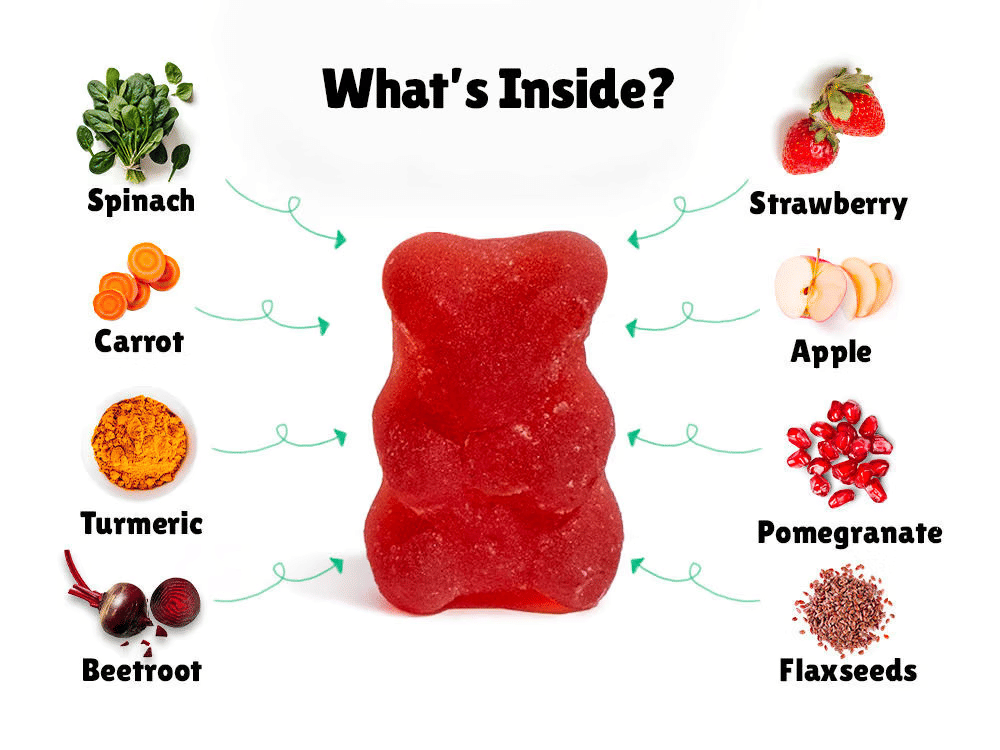
Little Joys Multivitamin Gummies cover all of the above - Vitamin C, Zinc (zinc citrate), Vitamin D3, B12, Curcumin, Folate, Vitamin A, Iron, and Biotin in a single daily gummy. Built on an 88% chicory root fibre prebiotic base, zero added sugar, no artificial colours, third-party tested. Age-specific formulas for 2-6, 7-12, and 13-18 years.
View Little Joys Multivitamin Gummies
FAQ
Q: Can my child get all these vitamins from food alone?
A varied diet covering eggs, dal, curd, fresh vegetables, and fruit daily comes close. The gaps most commonly seen are Vitamin D3 (sun-dependent), zinc (absorption varies), and B12 (animal-product dependent). A multivitamin covers these reliably.
Q: Is it safe to give children multiple vitamins daily?
A single age-appropriate multivitamin gummy at the recommended dose is designed for daily use. It's formulated to complement a normal diet, not replace it. Avoid stacking multiple separate supplements without expert guidance.
Q: At what age should children start a daily multivitamin?
Most formulations are suitable from age 2. From age 2 onwards, dietary variety increases but so do nutritional demands - making a daily multivitamin a practical safety net.