
Omega-3 for Kids: Fish Oil vs Plant-Based Algal DHA
For vegetarian families and children with fish allergies, algal DHA is the clear choice - it provides pre-formed DHA at identical bioavailability to fish oil, without the allergen, fishy taste, or contamination concerns. For non-vegetarian families, both are effective; the choice comes down to preference and tolerability.
Little Joys Brain Gummies use algal DHA - the plant-based direct source, third-party tested, zero added sugar, suitable from age 2.
-> View Little Joys Brain Gummies
Understanding Omega-3: ALA vs EPA vs DHA
Not all Omega-3s are equal for brain development.
ALA (alpha-linolenic acid) - found in walnuts, flaxseed, and other plant sources. The body can convert ALA to DHA, but only at 5-15% efficiency. Relying on ALA alone is insufficient for most children's DHA requirements.
EPA (eicosapentaenoic acid) - primarily in fatty fish. Important for inflammation regulation but less critical for brain structure than DHA.
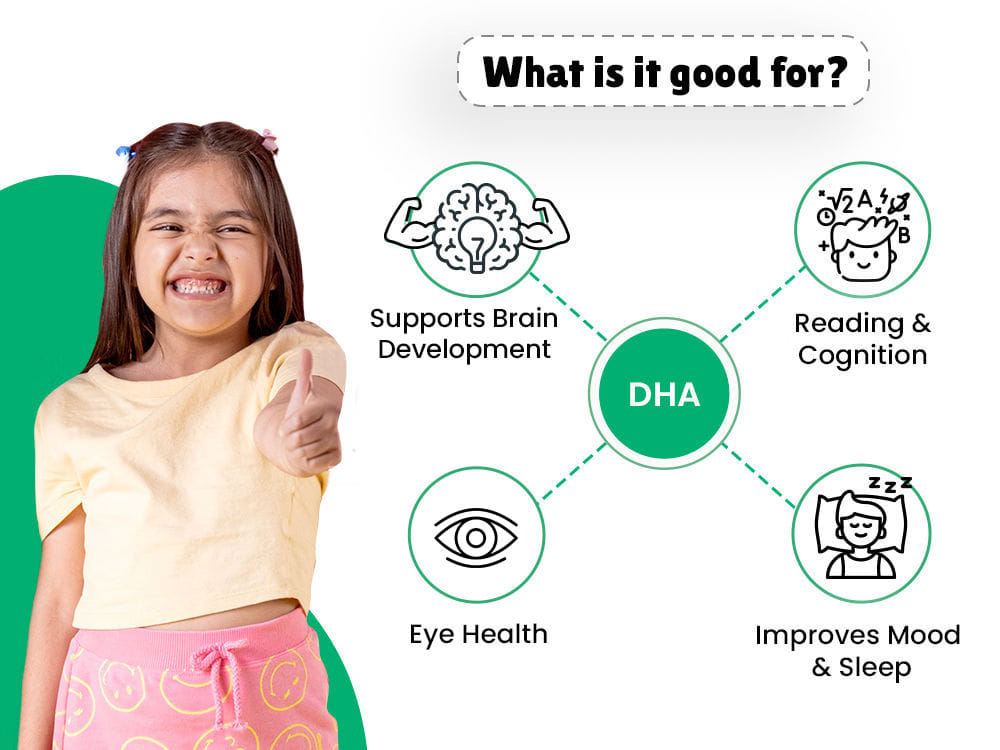
DHA (docosahexaenoic acid) - the primary structural fat in the brain and retina. This is the Omega-3 that matters most for cognitive and visual development in children. The DHA for brain development guide covers its role in full.
 Little Joys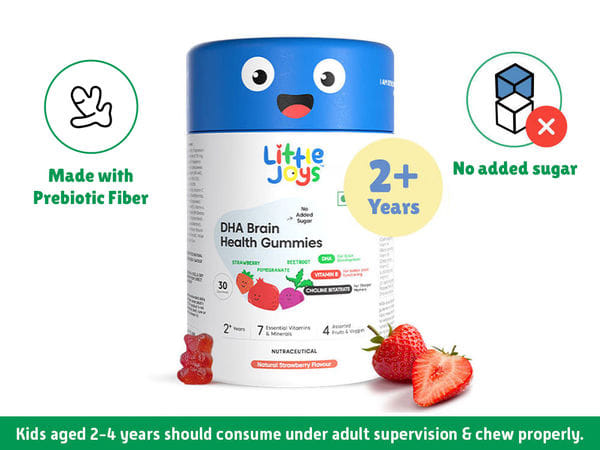
Fish Oil: Pros and Cons for Children
Pros:
- Provides pre-formed DHA and EPA together
- Well-researched form with decades of clinical data
- Available in liquid form that can be mixed into food for younger children
Cons:
- Not suitable for vegetarian families or children with fish allergies
- Fishy aftertaste causes rejection in many children
- Risk of ocean contaminants (heavy metals, PCBs) if not from a clean, tested source
- Sustainability concerns with wild-catch fish oil at scale
Algal DHA: Pros and Cons for Children
Pros:
- Pre-formed DHA - identical bioavailability to fish-derived DHA
- The original source: fish accumulate DHA by eating algae
- No fish allergen, no fishy taste or smell
- No ocean contamination risk
- Appropriate for vegetarian and vegan families
- Sustainable production
Cons:
- Typically provides DHA without significant EPA (though some algal products now include both)
- Slightly higher cost per serving than standard fish oil
For children who need DHA specifically for brain and retinal development - which is the primary reason for Omega-3 supplementation in children - algal DHA delivers the relevant nutrient without the fish-related drawbacks.
Direct Comparison
| Feature | Fish Oil | Algal DHA |
|---|---|---|
| DHA form | Pre-formed | Pre-formed |
| DHA bioavailability | High | High (equivalent) |
| Suitable for vegetarians | No | Yes |
| Fish allergen risk | Yes | No |
| Fishy taste | Often | No |
| Contamination risk | Present (varies by source) | None |
| EPA included | Yes | Varies by product |
| Cost | Lower | Slightly higher |
What to Look for in Either Supplement
Regardless of which form you choose, verify:
- DHA content per serving matches age-appropriate requirements (70-200 mg for children 1-13)
- Third-party tested for potency and purity
- Zero added sugar - especially important for a daily supplement
- GMP certified manufacturing
Little Joys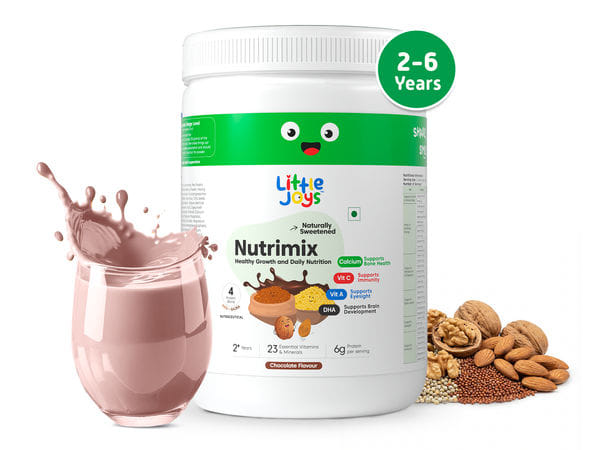
For the Full Omega-3 Brain Stack
Walnuts and almonds daily provide ALA alongside brain-protective Vitamin E. Little Joys NutriMix includes both as whole food ingredients alongside MCT oil for rapid brain energy - a strong complement to a direct algal DHA supplement.
FAQ
Q: If my child eats fatty fish twice a week, do they still need a supplement?
Two servings of fatty fish per week (salmon, sardines, mackerel) can provide adequate DHA for most school-age children. If fish is eaten regularly and the child is not showing attention or learning difficulties, a supplement may not be necessary. For children who eat little or no fish, supplementation is advisable.
Q: Can I give fish oil and algal DHA together?
Yes - they do not interact. However, giving both is usually unnecessary. Choose one based on your family's dietary preferences and tolerance. If fish oil causes digestive discomfort or rejection due to taste, algal DHA is the practical alternative.