
10 Keratin Rich Foods to Support Healthy Hair Naturally
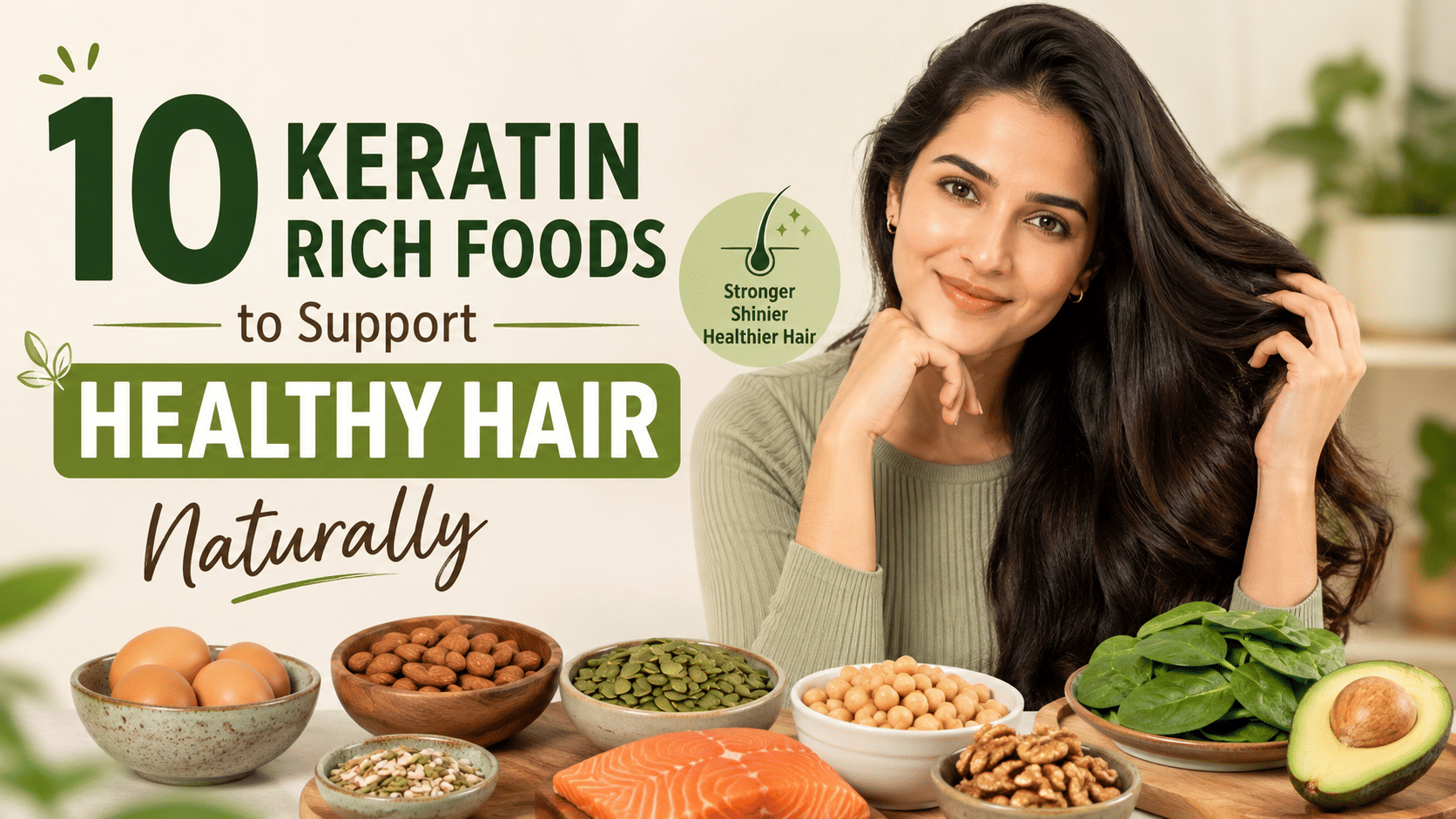
Keratin-rich foods include eggs, fish, milk products, dals, soy, nuts, seeds, sweet potatoes, carrots and green vegetables. These foods do not usually give the body ready-made keratin. Instead, they provide protein, amino acids, biotin, vitamin A, zinc and other nutrients that the body needs to produce keratin naturally.
Keratin is an important structural protein found in your hair, skin and nails. Eating a balanced diet containing these nutrients can support normal keratin formation, particularly when your current diet is low in protein or essential vitamins and minerals.
 Little Joys
_hop4ws.jpg?tr=w-600)
What Is Keratin?
Keratin is a strong, fibrous protein that forms part of the structure of hair, nails and the outer layer of the skin. Different forms of keratin also occur in tissues and cells within the body.
Hair strands are largely made from keratin. The protein contains amino acids, particularly sulphur-containing amino acids such as cysteine, which help give the hair fibre its strength and structure.
The body produces keratin inside specialised cells called keratinocytes. It uses amino acids obtained from dietary protein, along with nutrients involved in normal cell and protein metabolism.
Do Foods Actually Contain Keratin?
When people search for keratin food, foods with keratin or keratin food sources, they are generally looking for foods that help their body make keratin.
Keratin itself is naturally present in animal hair, feathers, horns, wool and similar tissues. It is a tough protein that the body cannot simply absorb from ordinary foods and send directly to the hair.
Therefore, the more accurate meaning of keratin-rich foods is:
- Foods providing protein and amino acids
- Biotin-rich foods
- Foods containing zinc
- Sources of vitamin A or beta-carotene
- Foods supporting overall hair and skin nutrition
Biotin participates in protein metabolism and keratin production. However, biotin deficiency is uncommon, and evidence that additional biotin improves hair in people without a deficiency remains limited.
Keratin Rich Food List
Food | Nutrients related to keratin production | Easy ways to eat it |
|---|---|---|
| Eggs | Protein, biotin and sulphur-containing amino acids | Boiled eggs, omelettes or egg bhurji |
| Fish | Complete protein, biotin and healthy fats | Grilled, baked or added to curry |
| Milk, curd and paneer | Protein, vitamin B12 and other nutrients | Milk, curd bowls, paneer wraps |
| Dal, beans and soy | Plant protein, iron and zinc | Dal, rajma, chana, tofu or soy chunks |
| Nuts and seeds | Biotin, zinc, vitamin E and healthy fats | Trail mixes, chutneys or seed toppings |
| Sweet potatoes | Beta-carotene and other micronutrients | Roasted, boiled or added to chaat |
| Carrots | Beta-carotene, which the body can convert to vitamin A | Salads, soups, sabzi or parathas |
| Leafy vegetables | Beta-carotene, folate and vitamin C | Palak dal, saag, soup or stir-fries |
| Chicken and lean meat | Complete protein, zinc and amino acids | Curries, soups or grilled preparations |
| Onions and garlic | Sulphur-containing plant compounds | Everyday dals, vegetables and curries |
Little Joys_1dziok.png?tr=w-600)
1. Eggs
Eggs are among the most practical keratin protein foods because they provide complete protein and biotin.
The body breaks egg protein down into amino acids, which can then be used for several functions, including the formation of structural proteins. Egg yolks are also a dietary source of biotin.
Boiled eggs, omelettes, egg bhurji and egg sandwiches can make them easy to include in breakfast or lunch.
2. Fish
Fish provides high-quality protein containing the essential amino acids the body cannot produce independently. Fatty fish such as salmon also contains omega-3 fatty acids, while different fish varieties provide varying quantities of biotin, vitamin B12 and other micronutrients.
Fish does not transfer keratin directly to the hair. Its protein contributes to the body’s overall amino acid supply, which is needed to build proteins such as keratin.
3. Milk, Curd and Paneer
Milk, curd and paneer are convenient sources of complete protein, particularly for people who do not regularly eat eggs, fish or meat.
They can be added to everyday meals through curd bowls, paneer vegetables, milk-based drinks or simple snacks. They also provide vitamin B12 and other nutrients involved in normal cell function.
For rushed mornings or days when meals feel inconsistent, Mom’s Nutrimix from Little Joys can be included as part of a regular breakfast or snack routine. It provides 12 grams of plant protein along with 24 or more nutrients and can be mixed with milk or water.
4. Dal, Beans and Soy
Moong dal, masoor dal, chana, rajma, peas, soybeans and tofu are useful plant-based protein sources.
Protein intake matters because hair is built primarily from protein. Diets that are severely restricted in protein or overall calories can affect the normal hair cycle in some people.
Combining different plant foods throughout the day—such as dal with rice, hummus with roti or tofu with vegetables—helps create a more varied amino acid intake.
5. Nuts and Seeds
Almonds, walnuts, peanuts, sunflower seeds, pumpkin seeds and sesame seeds provide a combination of protein, healthy fats and micronutrients.
Some nuts and seeds contain biotin, while pumpkin and sesame seeds can contribute zinc. Sunflower seeds also provide vitamin E, an antioxidant nutrient that helps protect cells from oxidative damage.
Add a small amount to yoghurt, porridge, smoothies, chutneys or homemade snack mixes. Whole nuts can be a choking risk for young children, so use age-appropriate forms.
6. Sweet Potatoes
Sweet potatoes are rich in beta-carotene, a plant pigment that the body can convert into vitamin A.
Vitamin A supports normal cell growth and differentiation. Both inadequate and excessive vitamin A can be harmful, so it is better to focus on a varied diet rather than taking high-dose vitamin A supplements without medical advice.
Sweet potatoes can be boiled, roasted, mashed or used in cutlets and chaat.
7. Carrots
Do carrots have keratin?
No, carrots do not contain usable keratin. They contain beta-carotene, which the body can convert into vitamin A.
This makes carrots a food that can support the nutritional processes related to normal skin and cell health, rather than a direct source of keratin. Carrots can be eaten raw, cooked, roasted or added to soup, sabzi and parathas.
8. Leafy Green Vegetables
Spinach, kale, amaranth leaves, bathua and other leafy vegetables provide beta-carotene, folate, vitamin C and several minerals.
They contribute to overall nutritional adequacy, which is more important for normal hair health than depending on one so-called superfood.
Try adding greens to dal, parathas, soups, cheelas, omelettes or paneer dishes when plain leafy vegetables are difficult to include regularly.
9. Chicken and Lean Meat
Chicken and lean meat contain complete protein and sulphur-containing amino acids that can be used to make structural proteins.
They can also provide zinc and iron. Zinc is involved in protein and DNA synthesis, while zinc deficiency can be associated with hair loss. Taking extra zinc without a deficiency, however, does not automatically make hair grow thicker or faster.
Vegetarians can obtain protein from dairy, soy, dals, beans, nuts and seeds.
10. Onions and Garlic
Onions and garlic do not contain keratin. They contain sulphur-containing plant compounds and can contribute flavour and variety to a balanced diet.
Some online lists describe onion and garlic as direct keratin sources because they contain compounds related to cysteine metabolism. It is more accurate to consider them supporting foods rather than significant sources of keratin protein.
They can be easily included in dals, curries, soups, stir-fries and vegetables.
Other Foods That Support Hair Nutrition
A varied diet can also include:
- Guava, amla, oranges and other vitamin C-rich fruits
- Mangoes, pumpkin and papaya for beta-carotene
- Whole grains for B vitamins and energy
- Seeds and nut butters for healthy fats
- Paneer, tofu, dals and lean meats for protein
- Iron-rich foods such as legumes, green vegetables and meat
Vitamin C helps the body absorb non-haem iron from plant foods. This can be useful when combining dal, beans or green vegetables with guava, amla, lemon or another vitamin C source.
Potential Benefits of Keratin-Supporting Foods
Foods that support keratin production do more than contribute to hair nutrition. Depending on the food, they may provide nutrients required for:
- Normal protein synthesis
- Maintenance of healthy skin
- Normal nail structure
- Cell growth and repair
- Energy metabolism
- Immune function
- Bone and muscle health
The effects will depend on your complete diet, health, genetics and whether a nutrient deficiency is present. Adding one food cannot reverse every type of hair fall or hair breakage.
Also Read:
Dr. Vishal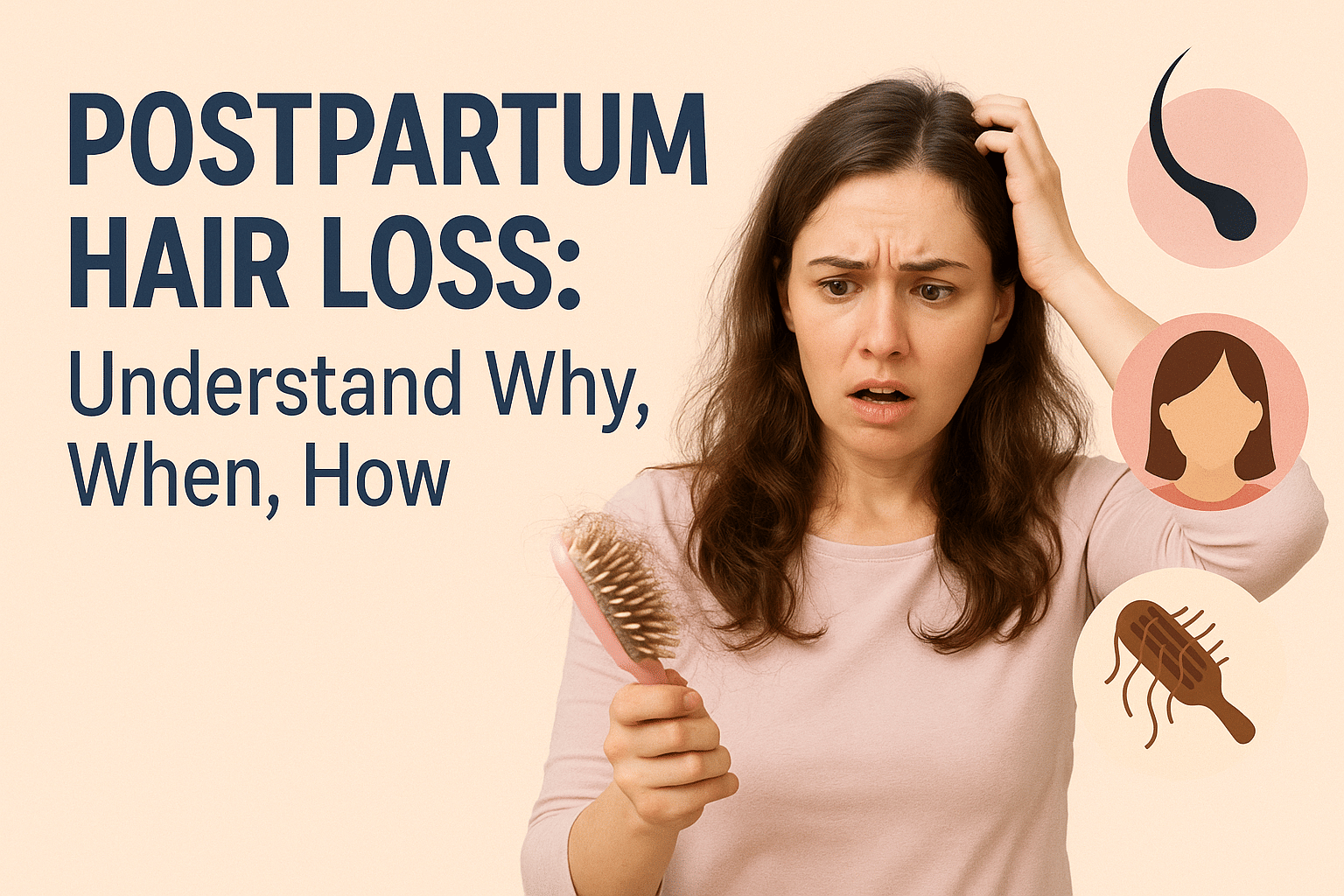
How to Increase Keratin in Hair Naturally
1. Eat Enough Protein
Protein supplies the amino acids needed to create keratin and other proteins.
Include a protein source with most main meals. Options include:
- Eggs
- Milk, curd and paneer
- Fish or chicken
- Dal and beans
- Soy, tofu and peas
- Nuts and seeds
Crash diets, prolonged fasting and heavily restricted eating plans can reduce overall protein and calorie intake, which may affect hair health.
2. Include Biotin-Rich Foods
Biotin-rich foods include cooked eggs, nuts, seeds, fish, meat, sweet potatoes and certain legumes.
A food-first approach is generally suitable for meeting everyday biotin needs. Biotin deficiency can lead to thinning hair and brittle nails, although true deficiency is considered uncommon.
3. Get Enough Zinc
Zinc contributes to normal protein synthesis, cell division and tissue repair.
Dietary sources include meat, seafood, dairy, beans, nuts, seeds and fortified foods. Very high zinc supplementation can interfere with copper absorption, so avoid taking large doses without professional guidance.
4. Add Vitamin A Foods, Not Excessive Supplements
Carrots, sweet potatoes, pumpkin, mangoes and leafy vegetables contain beta-carotene, which can be converted into vitamin A.
Vitamin A is necessary for normal cell function, but excess supplementation has also been associated with hair loss. More is not always better.
5. Look Beyond One Nutrient
Hair concerns can be associated with iron deficiency, thyroid conditions, hormonal changes, stress, recent illness, childbirth, medication, inadequate energy intake and genetic factors.
Biotin or keratin foods alone may not address these causes. Consult a dermatologist or doctor when hair loss is sudden, patchy, persistent or accompanied by fatigue, weight changes or scalp symptoms.
6. Maintain a Consistent Nutrition Routine
Regular meals are more useful than occasionally eating large quantities of one nutrient-rich food.
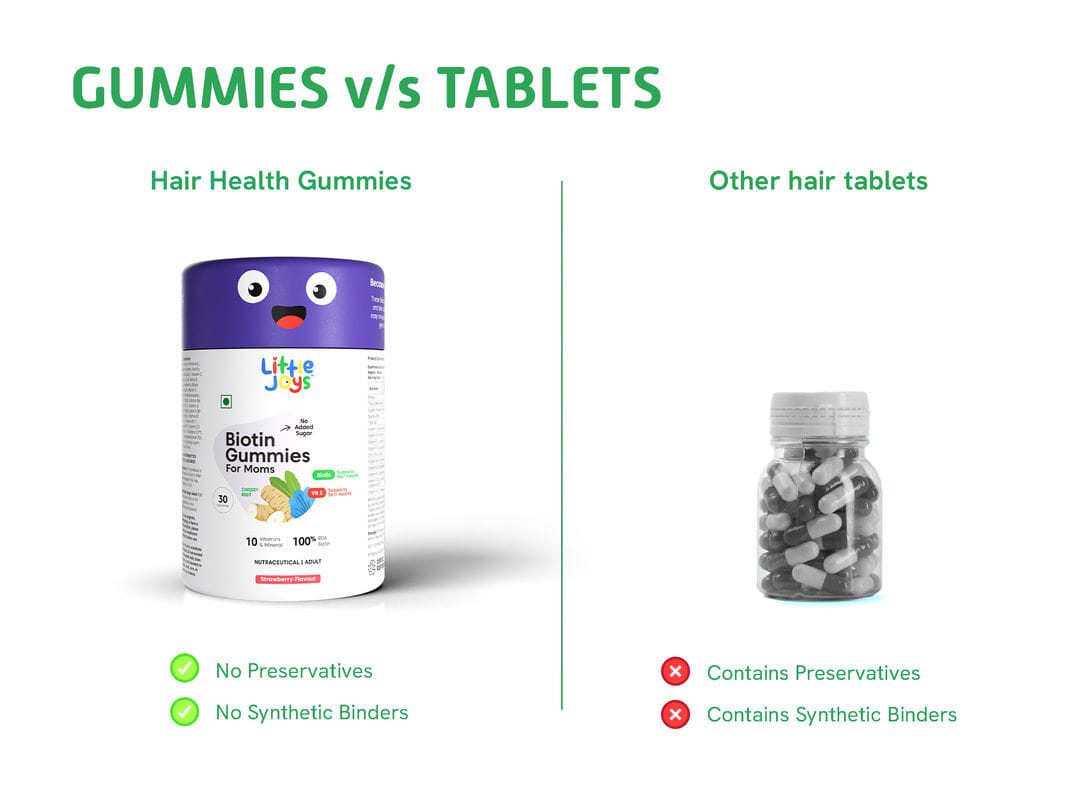
Mothers who find it difficult to maintain consistency may also use convenient nutritional formats alongside regular food. Little Joys Mom’s Biotin Hair Gummies provide 100% of the recommended daily amount of biotin, along with vitamin E and other nutrients. One gummy can fit into a daily post-meal routine according to its usage directions.
Biotin supplements are best viewed as a way to support consistent nutrient intake, not as a substitute for protein, vegetables, fruits and balanced meals.
7. Use Gentle Hair-Care Practices
Keratin in the visible hair shaft can be damaged by repeated heat styling, bleaching, chemical processing, friction and rough handling.
Use heat less frequently, avoid very tight hairstyles and handle wet hair gently. Food supports the body from within, while hair-care habits influence the condition of the existing hair fibre.
Keratin Supplements vs Keratin Rich Foods
Keratin supplements and biotin supplements are different.
Keratin supplements may contain processed or hydrolysed keratin, whereas biotin supplements provide vitamin B7, which is involved in nutrient and protein metabolism.
Evidence for biotin improving hair is strongest in people with biotin deficiency or an underlying condition affecting biotin status. Research supporting routine high-dose biotin for everyone is limited.
A balanced approach is to:
- Build regular meals around protein and varied whole foods
- Identify possible deficiencies when symptoms persist
- Choose supplements that provide appropriate rather than unnecessarily high amounts
- Discuss supplementation with a doctor during pregnancy, breastfeeding, ongoing illness or medication use
Biotin can also interfere with certain laboratory test results at high supplemental doses. Inform your doctor and diagnostic laboratory when taking a biotin supplement.
Keratin in Food vs Keratin Hair Treatment
Keratin-supporting foods work through normal digestion and nutrition. They provide the raw materials the body uses for many biological processes.
A keratin hair treatment works externally on existing hair. It coats or alters the hair shaft to temporarily reduce frizz and create a smoother appearance. It does not increase the amount of keratin the body naturally produces.
Some hair-smoothing formulations contain formaldehyde, formalin or methylene glycol or can release formaldehyde when heated. Exposure may irritate the eyes, nose, lungs and skin. Review the ingredients and discuss product safety with a trained professional before choosing a smoothing treatment.
Check which multivitamin moms should take after 30s:
Dr. Narendra Babu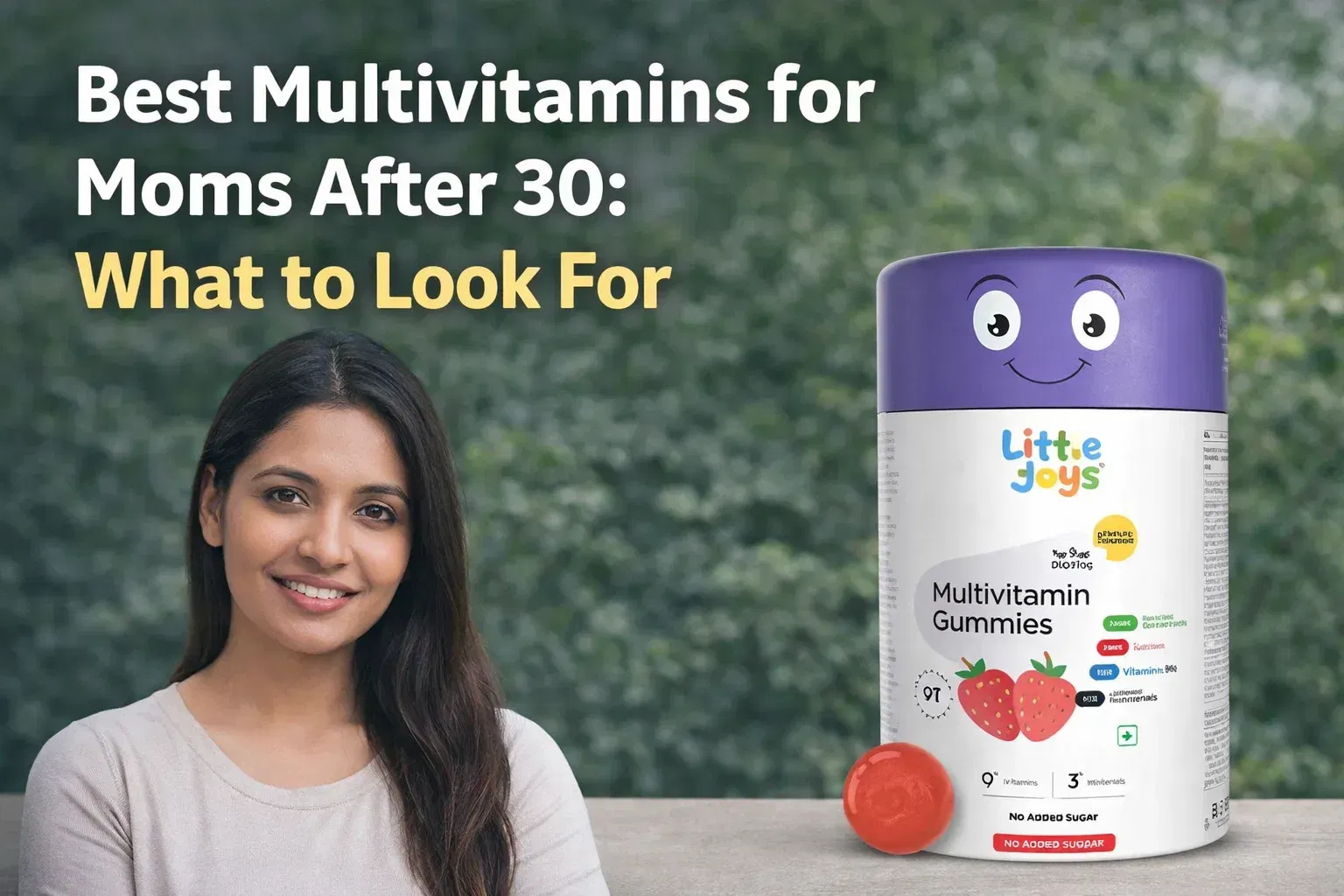
Cysteine vs Keratin
Cysteine is an amino acid. Keratin is a complete structural protein made from chains of amino acids, including cysteine.
Cysteine helps create strong bonds within the keratin structure. Protein-rich foods such as eggs, dairy, meat, fish, soy, legumes and seeds provide amino acids that contribute to the body’s overall protein pool.
Cysteine hair treatments and keratin smoothing treatments, on the other hand, are salon procedures. Their formulas and effects vary by product, so they should not be confused with dietary cysteine or the keratin naturally produced by the body.
Frequently Asked Questions
What foods have keratin?
Most foods do not provide keratin directly. Eggs, fish, dairy, meat, dal, soy, nuts, seeds, sweet potatoes, carrots and leafy vegetables provide nutrients that support the body’s natural keratin production.
What foods are high in keratin?
The phrase “foods high in keratin” usually refers to foods high in protein, biotin, zinc, vitamin A or keratin-forming amino acids. Eggs, fish, chicken, dairy, soy, beans, nuts and seeds are useful options.
Keratin protein kisme hota hai?
Keratin itself hair, nails and the outer layer of skin mein naturally banta hai. Diet mein eggs, fish, milk, paneer, dal, soy, nuts aur seeds protein aur amino acids provide karte hain, jinse body keratin bana sakti hai.
Keratin kisme paya jata hai?
Keratin human hair, nails and skin mein paya jata hai. Animal wool, feathers, horns and hooves also contain keratin. Regular foods are better understood as sources of the nutrients needed for keratin production.
Sabse jyada keratin kisme hota hai?
Hair, nails, feathers and wool contain large amounts of keratin, but these are not practical dietary sources. For nutrition, prioritise protein-rich foods such as eggs, dairy, fish, chicken, soy, dal and beans.
Do carrots have keratin?
No. Carrots contain beta-carotene, which the body can convert into vitamin A. They support general nutrition but do not contain keratin.
How can I get keratin naturally?
Eat adequate protein and include foods providing biotin, zinc and vitamin A. Combine this with sufficient calories, sleep, stress management and gentle hair care.
Are biotin-rich foods enough for hair growth?
Biotin-rich foods contribute to normal nutrition, but hair growth depends on several factors. Persistent hair fall may require assessment for iron deficiency, thyroid problems, hormonal changes, stress, illness or other causes.
Can I take Little Joys Biotin Hair Gummies with a balanced diet?
The gummies can be included in a daily nutrition routine while continuing to eat protein-rich and varied meals. Follow the recommended serving and consult your doctor when pregnant, breastfeeding, taking medication or undergoing laboratory testing.
Little JoysSumming Up
Keratin is the structural protein that gives hair, nails and the outer skin layer strength. Instead of searching for a food containing ready-made keratin, focus on foods providing the building blocks needed to produce it.
Eggs, fish, milk products, dal, soy, nuts, seeds, sweet potatoes, carrots and leafy vegetables are practical keratin-supporting foods. A varied diet, adequate protein and consistent nutrient intake matter more than relying on one ingredient.
On days when regular nutrition becomes difficult to manage, Mom’s Nutrimix or Mom’s Biotin Hair Gummies from Little Joys can fit into the broader daily routine. The foundation should still remain balanced meals, realistic hair-care habits and medical evaluation when hair loss is persistent or unusual.