
Why 70% of Immunity Lives in the Gut - And What to Do About It

Most parents think of the immune system as something that lives in the blood - white blood cells, antibodies, and so on. That part is real. But the majority of the immune system is actually housed in the gut.
Understanding this changes how you approach immunity entirely.
The Gut-Immune System: How It Works
The inner wall of the small and large intestine is lined with a dense network of immune tissue called gut-associated lymphoid tissue (GALT). It contains roughly 70% of the body's immune cells - including the cells that produce antibodies, regulate inflammation, and decide what is a threat and what is not.
These immune cells do not operate in isolation. They constantly receive signals from the trillions of bacteria living in the gut - the microbiome. The composition of those bacteria shapes how the immune system behaves day to day.
A diverse, well-fed microbiome sends signals that keep the immune system calibrated correctly - ready to fight genuine infections but not overreacting to food or the environment.
A disrupted microbiome - caused by high sugar intake, repeated antibiotic use, or a low-variety diet - sends mixed or inflammatory signals. The result: a child who gets sick more often, takes longer to recover, or deals with chronic inflammation, allergies, or digestive issues.
What Disrupts Children's Gut Bacteria
Added sugar - The single biggest dietary disruptor. Harmful bacteria and yeasts feed on sugar, allowing them to outcompete beneficial species. A daily sugar-based multivitamin gummy, a sweetened milk drink, and packaged snacks can add up to significant daily sugar exposure with direct gut consequences.
Antibiotics - Necessary when needed, but they do not distinguish between harmful and beneficial bacteria. A single course can disrupt gut composition for weeks. Children who have had multiple antibiotic courses in a year are at higher risk of prolonged immune disruption.
Low dietary variety - Gut bacteria diversity depends on the variety of plant foods consumed. A diet heavy in a few refined foods and light on vegetables, lentils, and whole grains starves beneficial bacteria.
Stress and disrupted sleep - Both directly affect gut bacteria composition through the gut-brain axis. Children under academic or social stress show measurable changes in microbiome health.
How to Support Gut Health for Better Immunity
Feed the gut with prebiotic fibre daily
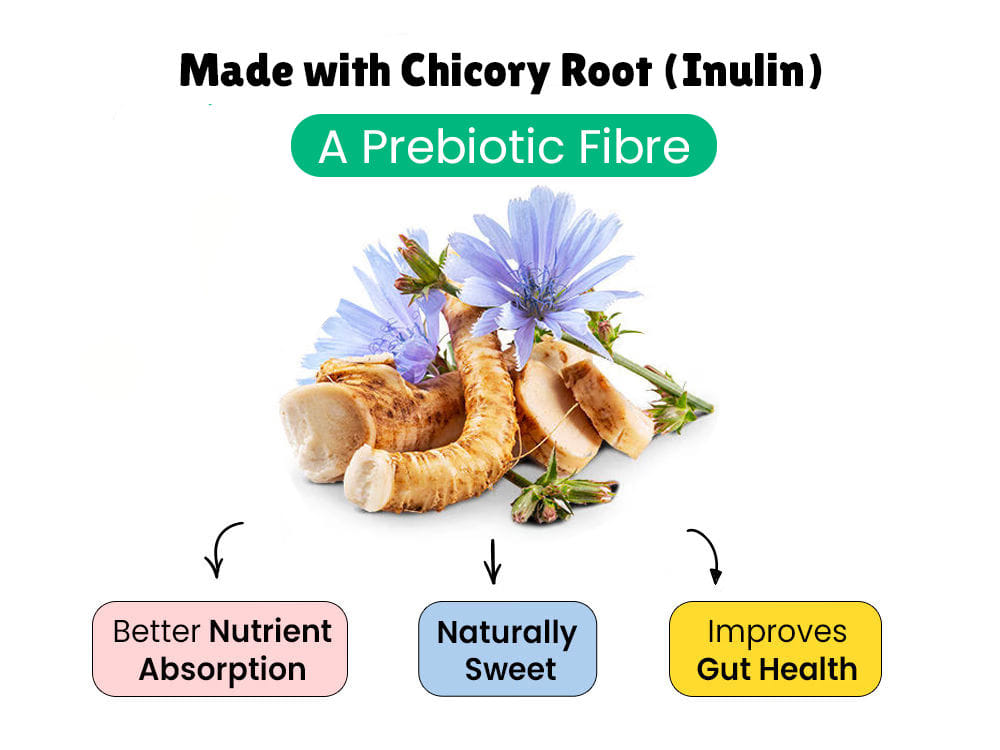
Prebiotics are non-digestible fibres that feed beneficial bacteria. The most researched and available include chicory root inulin, onion, garlic, leek, and banana. Chicory root inulin is the most concentrated source - found in a small number of supplement formulations designed specifically to deliver prebiotic benefit alongside vitamins.
Add a natural probiotic source
Curd (dahi) eaten daily is the most accessible probiotic food for Indian children. It delivers live beneficial bacteria that directly add to gut diversity. Serve at room temperature for best results - cold curd from the fridge has lower live culture activity.
Cut added sugar from supplements and snacks
This is particularly actionable. Replacing a sugar-based gummy with one built on a chicory root fibre base means every daily dose is feeding beneficial gut bacteria rather than undermining them.
Rebuild after antibiotic courses
After every antibiotic course, prioritise curd, dal, and prebiotic-rich foods for 4-6 weeks. This is when gut bacteria are most vulnerable and most responsive to dietary support.

Multivitamin Gummies for Kids
100% Safe | Paediatrician Recommended
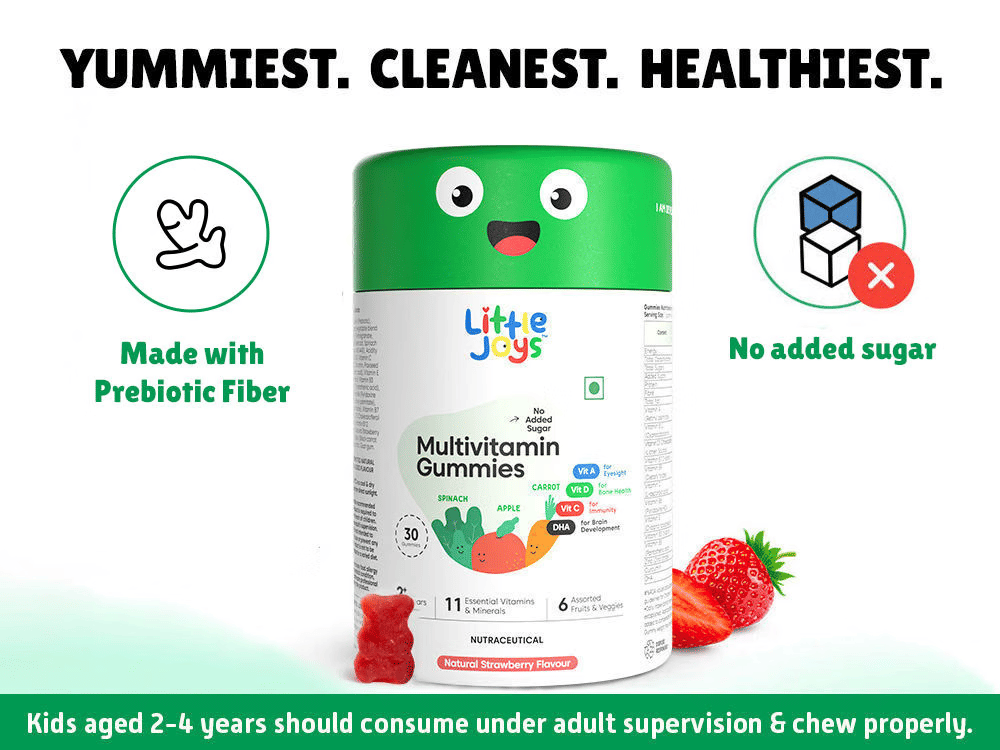
✅ 11+ vitamins & minerals for your little one's daily nutritional needs.
🍎 Contains 6 real fruits & vegetables! Fulfills any nutrition gaps in diet due to fussy or picky eating.
🛡️ Contains Vitamin C, Turmeric (Haldi), Vitamin B12 & Zinc which are known to boost immunity.
🚫 ZERO ADDED SUGAR - Uses a prebiotic fibre chicory root as its base. Along with gut health and immunity benefits it provides natural sweetness to the gummy.
🚫 No artificial colours, flavours or preservatives. Only the YUMMIEST, CLEANEST, HEALTHIEST gummy!
The Direct Payoff for Immunity
A child with a healthier gut microbiome typically shows:
- Fewer respiratory infections per year
- Shorter illness duration when sick
- Less severe allergic reactions
- Better digestion and reduced bloating
- More stable energy and mood
None of these happen overnight. Gut health responds to consistent input over weeks. But the improvements, once established, are durable.
What to Look for in a Daily Supplement
A supplement that actively supports gut health - not just delivers isolated vitamins - should have:
- Chicory root inulin as the primary base ingredient
- Zero added sugar - sugar in the base cancels the prebiotic benefit
- Vitamin C and Zinc for immune support alongside the gut-health foundation
- No artificial colours or preservatives
- Third-party tested
Little Joys Multivitamin Gummies are built on an 88% chicory root fibre base - the largest proportion available in Indian kids' supplements. Each daily gummy delivers prebiotic benefit alongside Zinc, Vitamin C, D3, B12, and Curcumin. Zero added sugar, no artificial colours, third-party tested. Suitable from age 2.
-> View Little Joys Multivitamin Gummies
FAQ
Q: How quickly can gut health improve in children?
Gut bacteria composition starts shifting within 1-2 weeks of consistent prebiotic and dietary changes. Immune improvements become visible after 4-8 weeks. Full microbiome restoration after antibiotic disruption takes 2-3 months.
Q: Is curd enough as a probiotic for children?
Curd is excellent as a daily probiotic food source. It works best when paired with prebiotic intake - the prebiotic feeds the bacteria the curd introduces. Together they are more effective than either alone.