
Tips to Reduce Frequent Cold and Cough in Children
A child getting 6-8 colds a year is considered normal. But when it's every 4 weeks, or when each cold stretches into 10+ days of coughing and congestion, something in the immune foundation needs attention.
The good news: frequent colds in children are rarely random. They follow patterns - and those patterns point to fixable causes.
Why Some Children Get Sick More Often Than Others
The difference between a child who bounces back quickly and one who's perpetually unwell usually comes down to three things: nutritional gaps, gut health, and sleep quality.
Nutritional gaps - Zinc, Vitamin C, and Vitamin D3 are the three nutrients most directly involved in how well the immune system responds to respiratory viruses. Deficiency in any one of them measurably increases both frequency and duration of colds.
Gut health - The gut microbiome regulates around 70% of immune function. Children with disrupted gut bacteria - from high sugar diets, repeated antibiotics, or low dietary variety - have a poorly calibrated immune system that struggles to respond effectively to common pathogens.
Sleep quality - Immune cells regenerate during deep sleep. A child consistently getting less than the recommended 9-11 hours has measurably reduced immune activity compared to one who sleeps well.
Also read:
 Dr. Prateek Phaldesai
7 Practical Tips to Reduce Cold Frequency
1. Fix zinc intake first
Zinc is the most commonly deficient immunity mineral in Indian children - and the most directly linked to respiratory infection frequency. Children who eat little meat, eggs, or lentils regularly are frequently low. Supplement with zinc citrate (better absorbed than zinc oxide) alongside dietary sources like dal, eggs, and pumpkin seeds.
2. Add Vitamin C from a whole food source daily
Amla is the most efficient source available - far richer than any citrus fruit. A small amount daily in juice, curd, or a smoothie covers requirements. When comparing supplements, look for Vitamin C paired with zinc - the combination is significantly more effective for immunity than either alone.
3. Address Vitamin D3 - especially for urban children
Most urban Indian children are insufficiently exposed to midday sun. Vitamin D3 directly regulates immune cell activation - without enough of it, the immune system is slow to respond. Supplementation is the most practical solution for school-going children who spend most daylight hours indoors.
4. Cut added sugar from daily food
Added sugar temporarily suppresses white blood cell activity for several hours after consumption. Sweetened milk drinks, packaged snacks, and even sugar-based vitamin gummies contribute to this daily. Removing added sugar is one of the fastest single changes for improving immune response.
5. Add curd to one meal every day
A natural probiotic that feeds beneficial gut bacteria. The gut-immunity link is direct - a healthier gut microbiome means a better-regulated immune system. For children who resist curd, a supplement with a prebiotic fibre base (like chicory root inulin) provides the same gut-feeding benefit.
6. Increase sleep by tightening bedtime
Even 30 minutes more deep sleep per night makes a measurable difference to immune function. Pick a consistent bedtime and protect it - the regularity matters as much as the total hours.
7. Don't stop supplements when your child is well
Most parents stop after a round of illness. Immunity builds over months of consistent input, not days. The supplement routine during healthy periods is what prevents the next sick episode - not the one during recovery.
What to Look for in a Daily Supplement
When choosing a multivitamin to support cold prevention:
- Zinc citrate - not zinc oxide
- Vitamin C + Zinc together - more effective for immunity than either alone
- Vitamin D3 (cholecalciferol) - not D2
- Prebiotic fibre base - not sugar or glucose syrup
- No artificial colours or preservatives
- Third-party tested - confirms actual nutrient levels
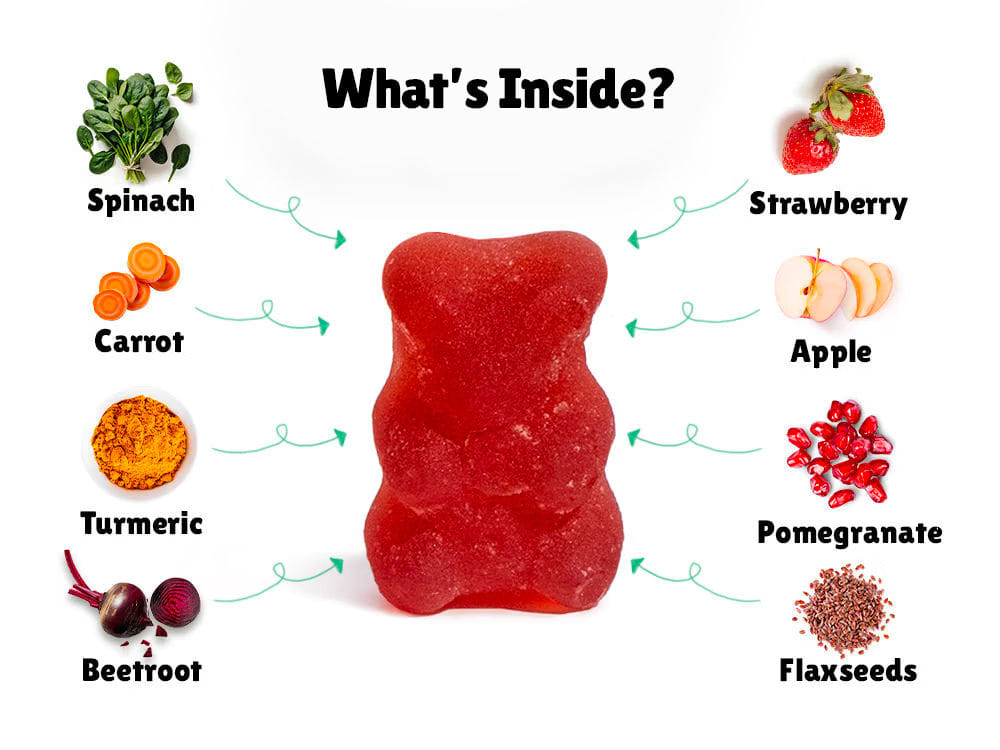
Little Joys Multivitamin Gummies cover all of the above - Zinc (zinc citrate), Vitamin C, Vitamin D3, B12, and Curcumin (haldi extract) in a chicory root fibre base. Zero added sugar, no artificial colours, third-party tested. Available from age 2 with age-specific formulas for 2-6, 7-12, and 13-18.
The chicory root base actively supports gut health with every dose - addressing the gut-immunity connection directly rather than just delivering isolated vitamins.
FAQ
Q: How long before these changes reduce cold frequency?
Most parents notice fewer sick episodes or faster recovery within 6-8 weeks of consistent changes. Full immune improvement is typically visible across a 3-month period.
Q: Is zinc safe to give children daily?
Yes - at age-appropriate doses, zinc is safe for daily long-term use. The amounts in children's multivitamins are well within safe limits. Avoid high-dose standalone zinc supplements without expert guidance.
Q: Can I give my child extra Vitamin C when they feel a cold coming?
Yes. Vitamin C requirements increase when the immune system is active. Continuing the daily supplement through illness and increasing fruit intake during this period is a reasonable approach.