
Ragi for Kids: Why This Millet Is a Nutritional Powerhouse
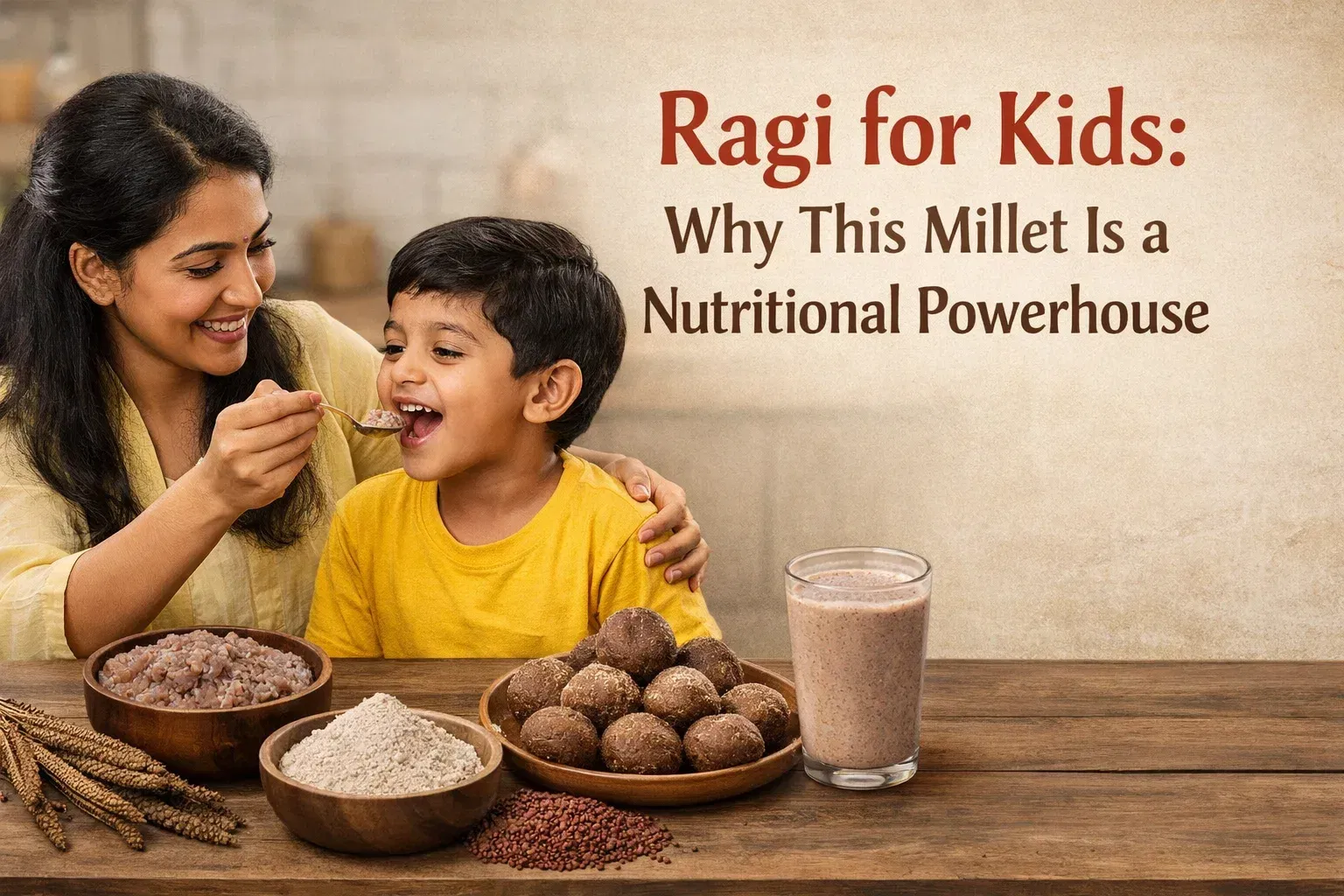
Ragi (finger millet, Eleusine coracana) has been fed to Indian children for centuries - long before the concept of superfoods existed. Modern nutrition science has since confirmed what generations of Indian families already knew: it is one of the most nutrient-dense grains a child can eat.
 Little Joys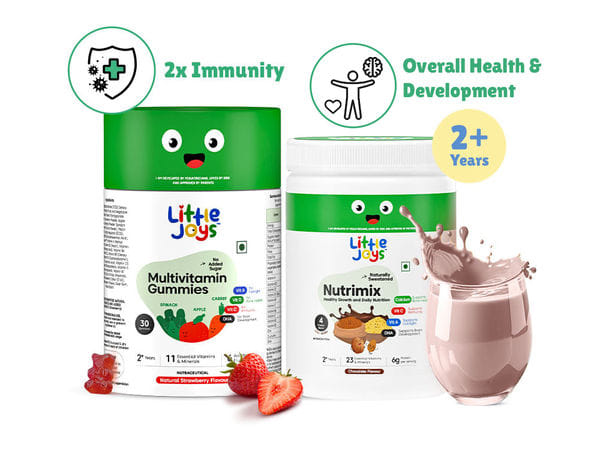
Yet many urban families have moved away from ragi in favour of refined cereals and packaged breakfast foods. This is worth reconsidering.
What Makes Ragi Exceptional
Calcium - richer than milk per gram Ragi contains approximately 344 mg of calcium per 100g. Full-fat cow's milk contains around 120 mg per 100g. For Indian vegetarian children who are not getting enough dairy - or who are lactose sensitive - ragi is the most accessible and affordable plant-based calcium source available.
Strong bone development in the first 10 years of life directly affects bone density in adulthood. Including ragi consistently during this window matters.
Iron for immunity and energy Ragi provides around 3.9 mg of iron per 100g. Iron deficiency is the most widespread nutritional deficiency in Indian children - affecting energy, immunity, and cognitive development simultaneously. Pairing ragi with a Vitamin C source (tomato chutney, amla powder, or lime) at the same meal significantly improves iron absorption.
Dietary fibre for gut health Ragi's fibre content feeds beneficial gut bacteria, supports regular digestion, and slows glucose absorption - preventing the blood sugar spikes that cause energy crashes and mood instability in children. A gut fed with diverse fibre sources is a better-regulated immune system.
Essential amino acids Ragi contains methionine and tryptophan - two amino acids typically low in other grains. These support protein synthesis, sleep quality, and mood regulation in growing children.
Low glycaemic index Unlike refined wheat or rice, ragi releases glucose gradually. This gives children sustained energy through a school morning rather than a sharp rise and crash 45 minutes after eating.
Nutritional Profile at a Glance
| Nutrient | Per 100g of Ragi |
|---|---|
| Calcium | ~344 mg |
| Iron | ~3.9 mg |
| Protein | ~7.3 g |
| Dietary Fibre | ~3.6 g |
| Phosphorus | ~283 mg |
Best Ways to Include Ragi in a Child's Daily Diet
Ragi porridge (kanji) The most traditional and widely accepted form for younger children. Cook ragi flour in water or milk until thickened, sweeten with jaggery, and add a small amount of ghee. Suitable from weaning age.
Ragi roti Mixed with wheat flour (50:50 ratio) for a softer texture that children accept more readily than pure ragi roti. Can be served with any dal or sabzi.
Ragi dosa or idli Fermented ragi dosa batter is excellent - fermentation improves mineral bioavailability and adds probiotic benefit. Works well as a breakfast or tiffin option.
Ragi ladoo Roasted ragi flour mixed with jaggery, ghee, and nuts. One of the most accepted forms for children who resist savoury ragi preparations.
In a nutrition powder For children who consistently resist ragi in food form, a nutrition powder with ragi as the primary base ingredient delivers the same nutritional benefit in a drink format. This is particularly useful for picky eaters.
Ragi vs Refined Breakfast Cereals
Most packaged breakfast cereals marketed for children use refined wheat or corn, sugar, and synthetic vitamin fortification. The fibre, mineral density, and amino acid profile are far lower than ragi.
Ragi delivers calcium, iron, and fibre from the grain itself - not added back after processing. The nutritional matrix is intact and whole.
Replacing two or three breakfasts per week with a ragi-based meal is one of the most nutritionally significant changes an Indian family can make for their child.
Ragi in Little Joys NutriMix
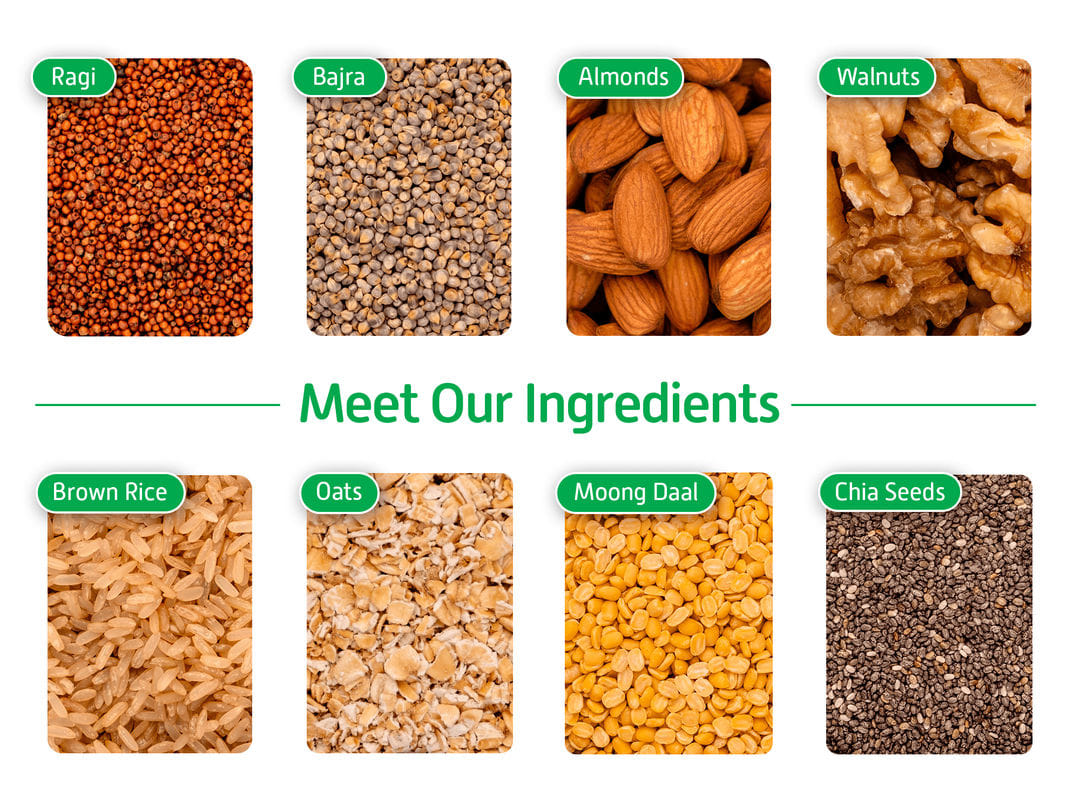
Little Joys NutriMix uses ragi as one of its primary base ingredients - alongside bajra, almonds, walnuts, and plant protein. The powder delivers the full nutritional benefit of ragi in a convenient drink format, with 23 vitamins and minerals, no refined sugar, and sweetened with jaggery and dates.
For children who eat ragi regularly through food: NutriMix adds protein, healthy fats, and micronutrients on top of the ragi they already eat.
For children who resist ragi in its traditional forms: NutriMix is a practical way to include it daily without resistance.
FAQ
Q: From what age can children eat ragi?
Ragi can be introduced as early as 6 months as a single-grain porridge. It is one of the most recommended first foods for Indian infants due to its calcium and iron content.
Q: Does ragi cause constipation in children?
No - ragi's dietary fibre supports regular digestion. It is more likely to help constipation than cause it. Ensure adequate water intake alongside any increase in fibre-rich foods.
Q: Is ragi gluten-free?
Yes. Ragi is naturally gluten-free, making it a safe option for children with wheat sensitivity or coeliac disease.