
How to Boost Kids' Immunity Before Summer

The four things to address before summer arrives are: zinc and Vitamin C levels for infection resistance, gut health for the microbiome disruption that heat and travel cause, Vitamin D3 (which paradoxically stays low even in summer for children indoors during peak hours), and hydration - which directly affects immune cell function. Start 4-6 weeks before the hottest months for best results.
-> View Little Joys Immunity Boosting Kit
Why Summer Stresses Children's Immune Systems
Summer in India brings a different immune challenge than monsoon or winter. The threats shift from respiratory to gut-based - food spoils faster, waterborne pathogens increase, and heat stress generates oxidative load that depletes antioxidant reserves. At the same time, children are often less structured in their eating, more exposed to street food and travel, and frequently dehydrated throughout the day.
Dehydration is the most underestimated immune factor in summer. Immune cells require water to circulate, function, and clear pathogens. A child who is mildly dehydrated through the afternoon has measurably reduced immune activity regardless of their supplement routine.
The Pre-Summer Immunity Plan
Step 1: Zinc and Vitamin C - the core immune pair
Zinc activates every type of immune cell. Vitamin C stimulates white blood cell production and acts as an antioxidant during immune activation. Together they are significantly more effective than either alone - and the combination is particularly relevant before summer when oxidative exposure increases.
Amla is the most practical daily Vitamin C source - one small amount in a smoothie, curd, or juice covers the full daily requirement and is more heat-stable than most fruits.
 Little Joys
Step 2: Restore gut health proactively
Summer food is higher risk - heat spoils food faster and contaminated water exposure increases. A strong gut microbiome is the best defence. In the 4-6 weeks before summer, prioritise curd daily, prebiotic-rich foods (onion, garlic, ragi), and if using a multivitamin gummy, choose one with a chicory root fibre prebiotic base rather than a sugar base.
Step 3: Address Vitamin D3
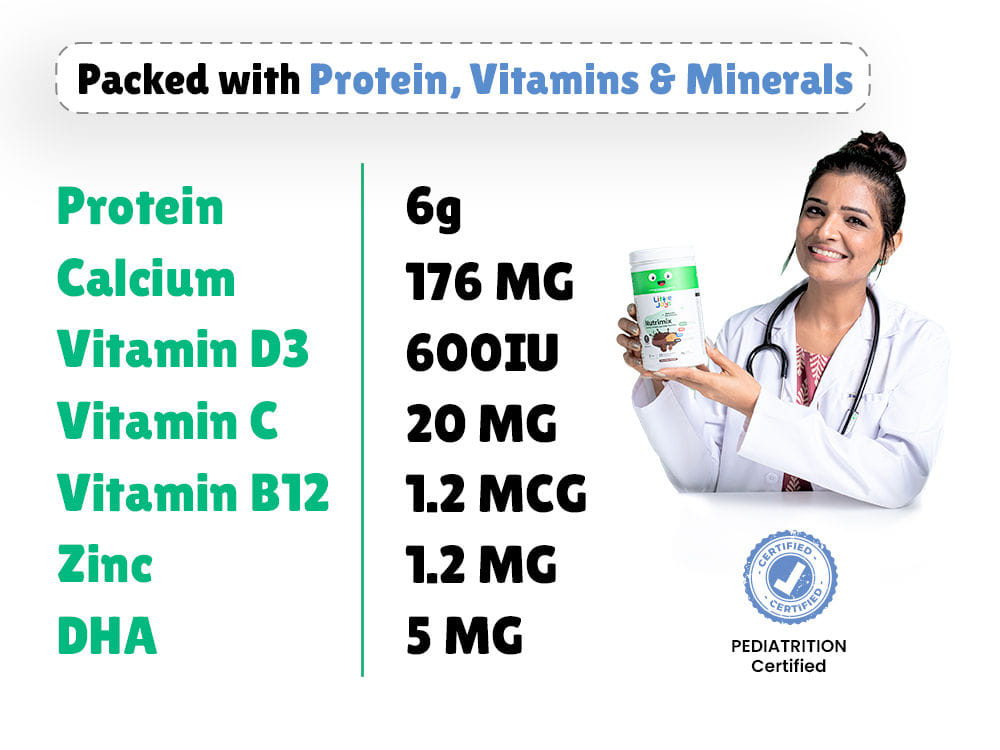
Most urban Indian school-going children are low on Vitamin D3 year-round. During summer school holidays when children are theoretically outdoors more, they are often indoors in air conditioning during the peak synthesis hours (10am-2pm). A daily D3 supplement remains necessary through summer for most urban children.
Step 4: Build the hydration habit before the heat arrives
Children who are habituated to drinking water regularly handle summer dehydration better than those who drink reactively. Start increasing water intake 2-3 weeks before peak summer. Coconut water and diluted amla juice are excellent electrolyte-providing alternatives to plain water for children who resist drinking enough.
What to Look for in a Summer Immunity Supplement
- Zinc citrate + Vitamin C together in one product
- Vitamin D3 (cholecalciferol)
- Prebiotic base - not sugar - to protect gut health during higher-risk food exposure
- No artificial colours or preservatives for daily use through summer
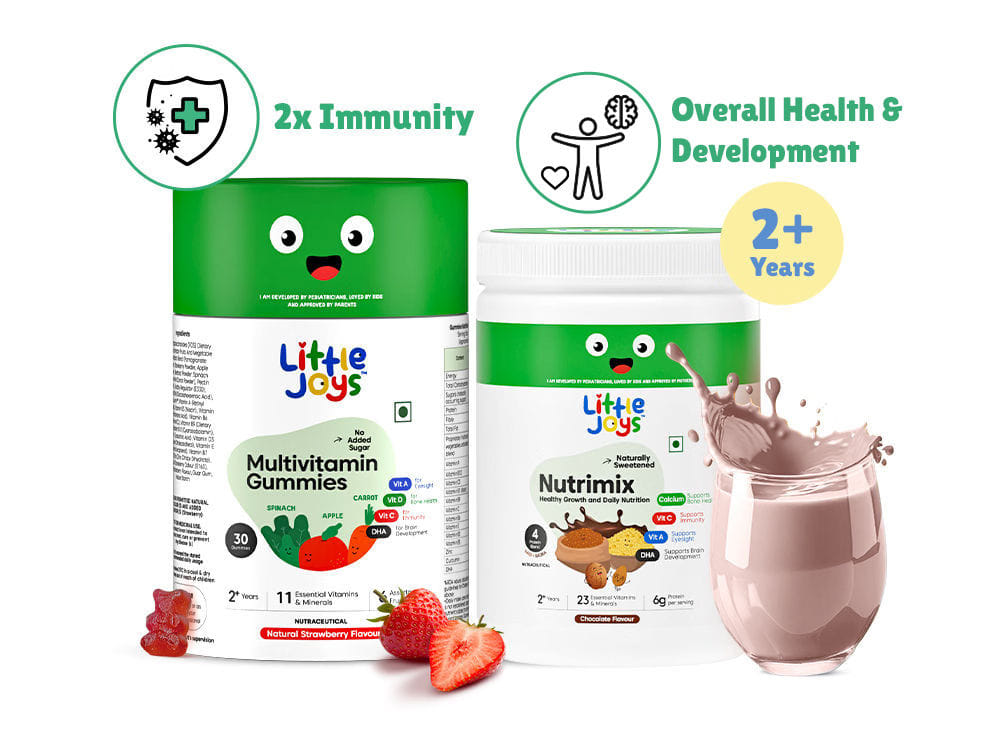
Little Joys Multivitamin Gummies cover all of the above - Zinc, Vitamin C, D3, and Curcumin in an 88% chicory root prebiotic base. Zero added sugar, third-party tested, suitable from age 2. Start the routine 4-6 weeks before summer for best effect.
For broader nutrition support through summer - especially for children who eat less in the heat - Little Joys NutriMix in a cold milk smoothie covers protein, calcium, and 23 vitamins and minerals in a format children accept even when appetite is low.
-> View Little Joys Immunity Boosting Kit
FAQ
Q: How early before summer should I start an immunity routine?
4-6 weeks is the recommended lead time. Zinc and D3 take 4-6 weeks to reach functional blood levels from a depleted state. Starting the routine in March-April (before peak Indian summer in May-June) gives the immune system time to build up before the highest-stress period.
Q: Is summer immunity different for different ages?
Toddlers (ages 2-4) are at higher risk from gut-based summer illness - their gut defences are less mature and dehydration affects them more quickly. School-age children (5-12) face more food-safety risks from canteen and travel food. Teens face heat stress compounded by increased outdoor activity. The core nutrient needs are similar across ages; the emphasis shifts slightly.