
Plant-Based Protein for Kids: A Complete Parent's Guide
For vegetarian Indian families, plant-based protein is not a trend - it is the daily reality of feeding children without meat or fish. The challenge is not whether plant protein can meet a child's needs (it can), but whether the variety and combinations required are actually being achieved consistently.
Can Children Thrive on Plant-Based Protein Alone?
Yes - with one important condition. The key requirement is combining protein sources to cover all essential amino acids.
Animal proteins are complete - they contain all nine essential amino acids in adequate proportions. Most individual plant proteins are incomplete - low in one or more essential amino acids. But specific plant food combinations create complementary profiles that together cover the full spectrum.
The most practical combinations for Indian children:
- Dal + rice or roti - covers lysine from dal and methionine from grain
- Dal + curd or paneer - adds complete dairy protein alongside legume protein
- Moong dal + bajra khichdi - a naturally complete one-pot protein source
- Nuts + legumes - different amino acid profiles that complement each other
Children eating varied Indian meals - dal, rice, curd, roti, sabzi - are typically covering their amino acid needs well.
Best Plant-Based Protein Sources for Children
Dal and legumes
The backbone of plant protein in India. Moong dal is the most digestible - ideal for toddlers and after illness. Rajma and chana provide higher protein density but more gas risk for younger children. A bowl of cooked dal provides 8-12g of protein.
Paneer
18g of protein per 100g - one of the densest plant-compatible sources available. Works in sabzis, parathas, snacks, and eaten plain. Particularly useful for children who need high protein but eat low volume.
Curd (dahi)
3-4g per 100g - less dense than paneer but consumed in larger daily quantities. Also provides probiotic benefit alongside protein and calcium.
Nuts - almonds, walnuts, peanuts
15-25g protein per 100g. A small daily handful provides meaningful protein alongside healthy fats and Vitamin E. Crush for younger children, serve whole from age 5 when choking risk reduces.
While primarily grain carbohydrates, both provide 7-11g protein per 100g - higher than refined wheat or white rice, and with better amino acid profiles. Replacing refined grains with ragi and bajra rotis or porridges meaningfully improves daily plant protein intake.
When a Supplement Fills the Gap
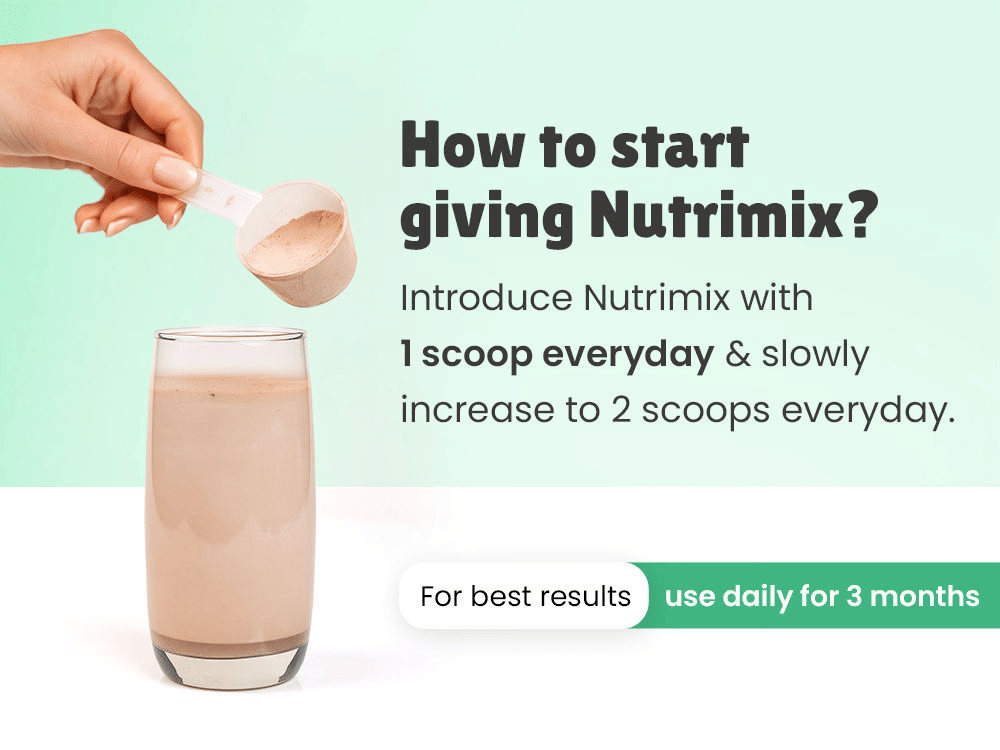
Children who consistently refuse dal, curd, paneer, and nuts are at real risk of inadequate protein intake. For these children, a well-formulated nutrition powder covering plant protein from multiple sources is the most practical solution.
When comparing options, look for:
- Multi-source plant protein - moong dal, pea protein, brown rice protein, and nuts together
- Zero added sugar - a daily protein supplement should not add to sugar load
- Age-appropriate dosing - adult protein powders are not calibrated for children
- Third-party tested for actual protein content
Little Joys NutriMix provides plant protein from moong dal, peas, brown rice protein, almonds, and walnuts - covering the full amino acid spectrum on a ragi and bajra base with 23 vitamins and minerals. Zero refined sugar, GMP certified, suitable from age 2.
 Little Joys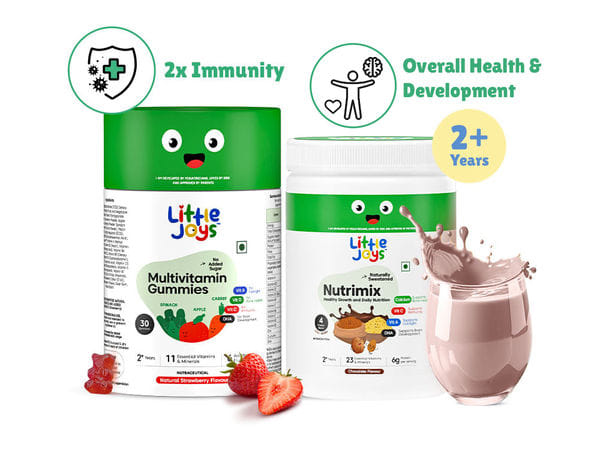
FAQ
Q: Do vegetarian children need more total protein than meat-eaters?
Slightly - because plant protein digestibility is generally lower than animal protein. Adding around 10-15% more total plant protein than the stated minimum is a reasonable practical target for vegetarian children.
Q: My child only eats rice and bread - how do I add plant protein?
Start with small additions to existing foods: dal mixed into rice until they become inseparable, paneer crumbled into rice, curd served alongside every meal. Gradual incorporation into accepted foods is more effective than introducing entirely new items.