
Kids’ Dental Care Tips: Building Strong Teeth from an Early Age
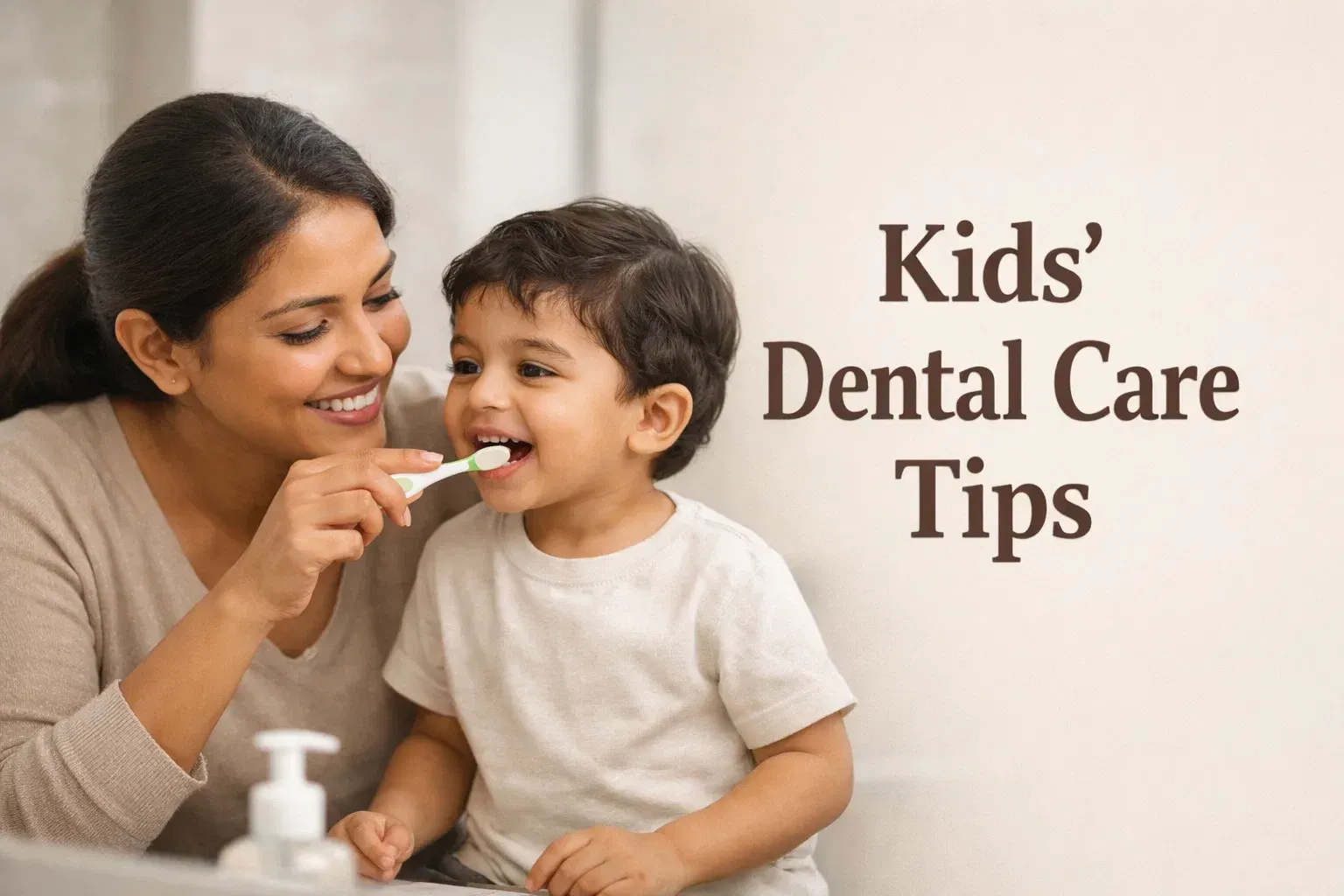
Children should brush twice daily with fluoridated toothpaste (pea-sized amount for ages 5+), floss once teeth touch, and visit a dentist every 6–12 months. Limit sticky and sugary foods, especially before bedtime. Encourage water after meals and avoid nighttime sweetened drinks. Choose snacks lower in refined sugar and maintain consistent brushing habits. Daily hygiene routines combined with smart food choices significantly reduce cavity risk in children aged 2–9.
Dental health is often overlooked — until there’s a cavity. But strong teeth begin with daily habits, not dental treatments.
Between ages 3 and 9, children develop both primary and permanent teeth. Protecting them early prevents long-term oral health issues.
1️⃣ Start with Proper Brushing Technique
For children:
- Under 4 years: A smear (rice-sized) of fluoride free toothpaste
- 4–7 years: Pea-sized amount flouridated toothpaste (can use after 4+ years)
- 7+ years: Supervised brushing with proper spitting
 Little Joys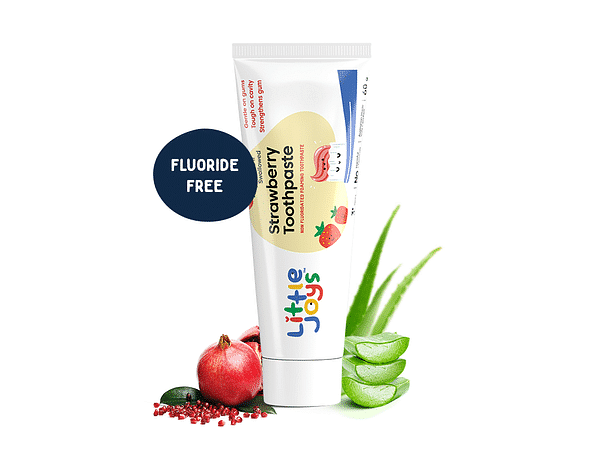
Brush:
✔ Twice daily
✔ For two full minutes
✔ Especially before bed
Parents should supervise brushing until at least age 7–8 to ensure thorough cleaning.
2️⃣ Floss When Teeth Touch
Many parents skip flossing.
But once teeth start touching, flossing removes food particles that brushing misses — especially between molars.
Make it playful:
- Use colorful floss picks
- Let children “help” first
3️⃣ Watch Hidden Sugars
Cavities are not caused by sugar alone — but by frequency of exposure.
Common culprits:
❌ Sticky candies
❌ Sweetened milk drinks
❌ Frequent juice
❌ Bedtime sugary snacks
Instead, choose snacks with lower refined sugar and cleaner ingredient lists.
If offering something sweet, serve it with a meal, not as a standalone snack. Saliva production during meals helps neutralize acids.
4️⃣ Avoid Bedtime Sugar
The most damaging habit?
Milk or sweet drinks after brushing at night.
During sleep:
- Saliva flow reduces
- Sugar sits on teeth longer
- Cavity risk increases
After brushing, only water should be allowed.
5️⃣ Schedule Regular Check-Ups
Visit a dentist:
- Every 6–12 months
- Earlier if pain or discoloration occurs
Early detection prevents complicated treatments later.
6️⃣ Create a Simple Dental Routine Chart
Children respond well to visual systems.
Try:
✔ Morning brushing checkmark
✔ Night brushing star
✔ Weekly floss reminder
Consistency builds habit memory.
🥗 Nutrition & Dental Health Connection
Diet affects oral health significantly.
Support teeth with:
- Calcium (curd, paneer)
- Phosphorus (dal, nuts)
- Crunchy fruits & vegetables
Limit ultra-processed snacks that stick to enamel.
You may also explore: Healthy Habits for Grade-School Kids (6–9 Years)
Dr. Sutanto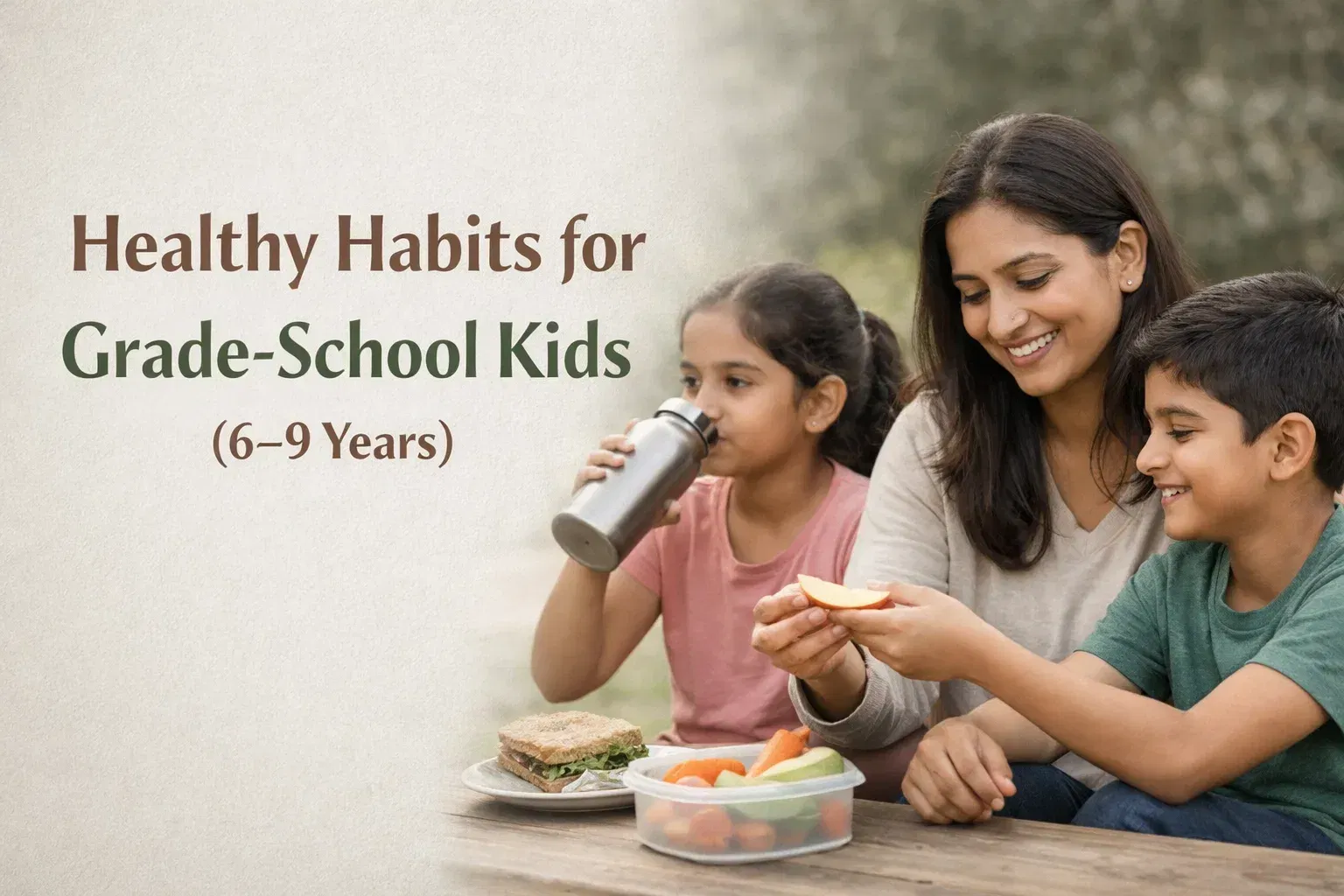
Simple Daily Dental Framework
✔ Brush twice daily
✔ Floss when needed
✔ Limit sugary exposure frequency
✔ Avoid bedtime sweets
✔ Visit dentist annually
Strong dental habits today prevent painful treatments tomorrow.