
Best Nut Spread for Kids' Sandwiches: Compared
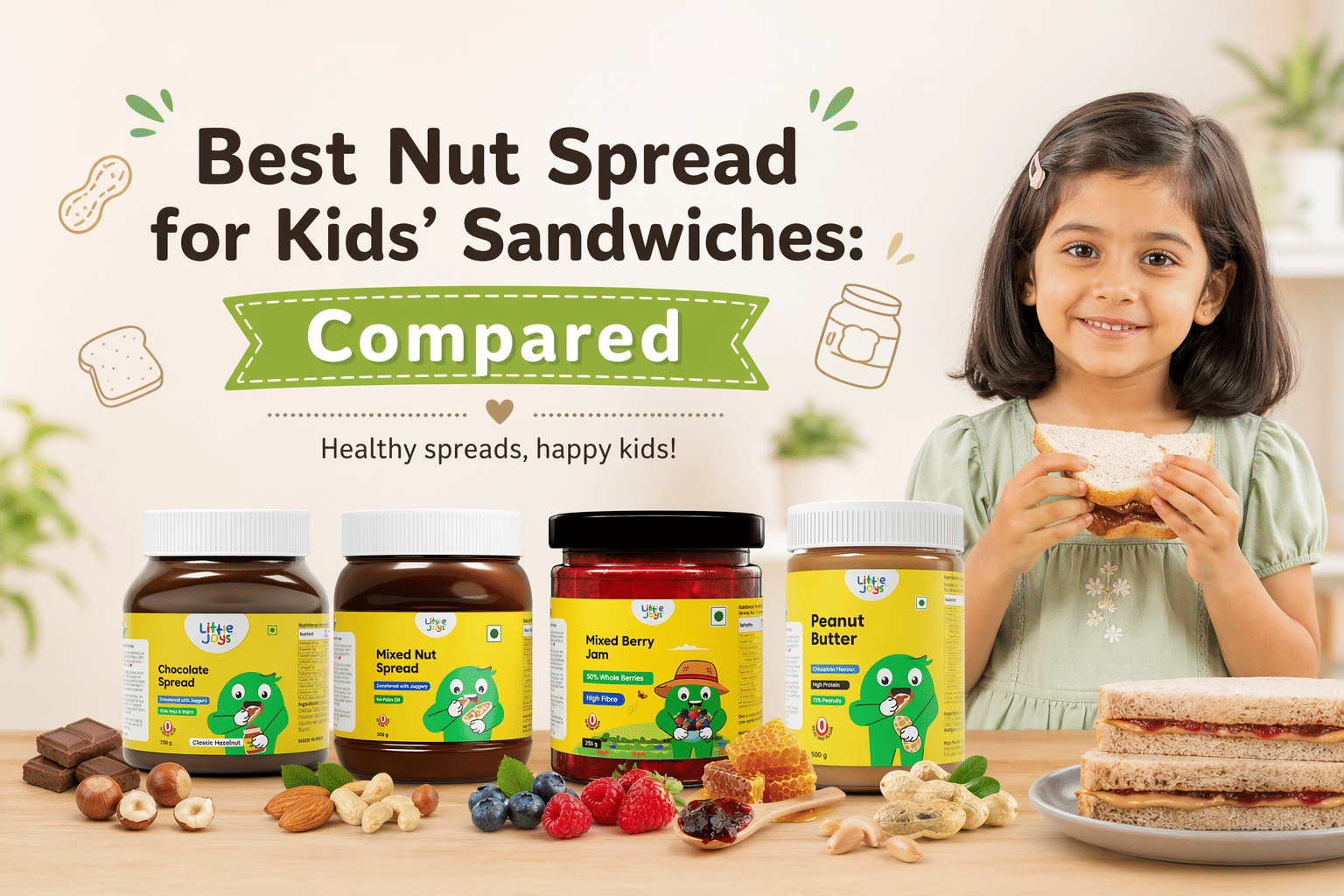
For a school sandwich or breakfast toast, natural peanut butter is the best-value nut spread - highest protein per rupee, widely accepted by children, and nutritionally complete with no additives. Chocolate hazelnut spread (when nut-first with no refined sugar) is the best acceptance option for children who resist plain peanut butter. Almond butter offers a milder flavour profile for children sensitive to the stronger taste of peanut.
 Team MosaicWellness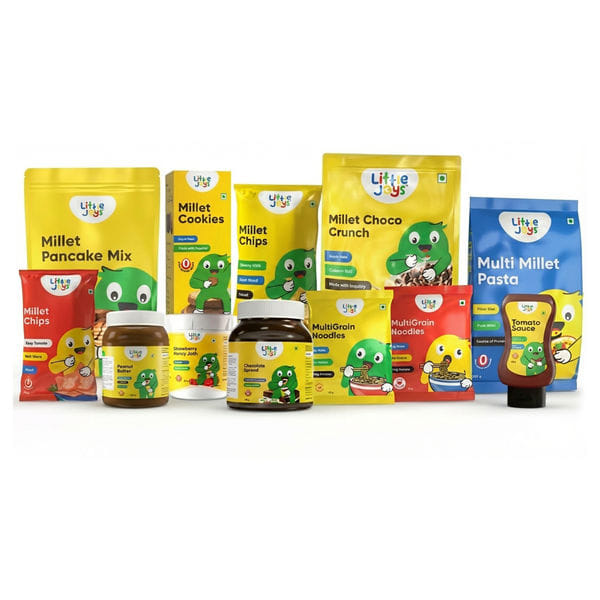
Little Joys makes clean versions of all three - peanut butter, chocolate hazelnut spread, and chocolate mixed nut spread - with no added refined sugar and no palm oil.
Little Joys
Direct Comparison
| Feature | Little Joys - Natural Peanut Butter | Chocolate Hazelnut Spread - Little Joys(clean) | Little Joys' Chocolate Mixed Nut Spread |
|---|---|---|---|
| Protein per 100g | 25-28g | 12-15g | 12-15g |
| Primary ingredient | Peanuts | Hazelnuts | Mixed nuts |
| Added sugar | None | None (natural sweetener) | None (natural sweetener) |
| Flavour profile | Nutty, mild | Chocolate-hazelnut | Chocolate-nut blend |
| Best for | Daily protein snack | Children who resist plain nut butter | Variety and broadening nut exposure |
| Palm oil | No | No | No |
Peanut Butter: Best Overall
Natural peanut butter provides the highest protein content of any spread at 25-28g per 100g. A two-tablespoon serving on a sandwich covers 7-8g of protein - a meaningful contribution to a school lunch. The flavour is neutral enough to pair with jam, banana, or eaten plain.
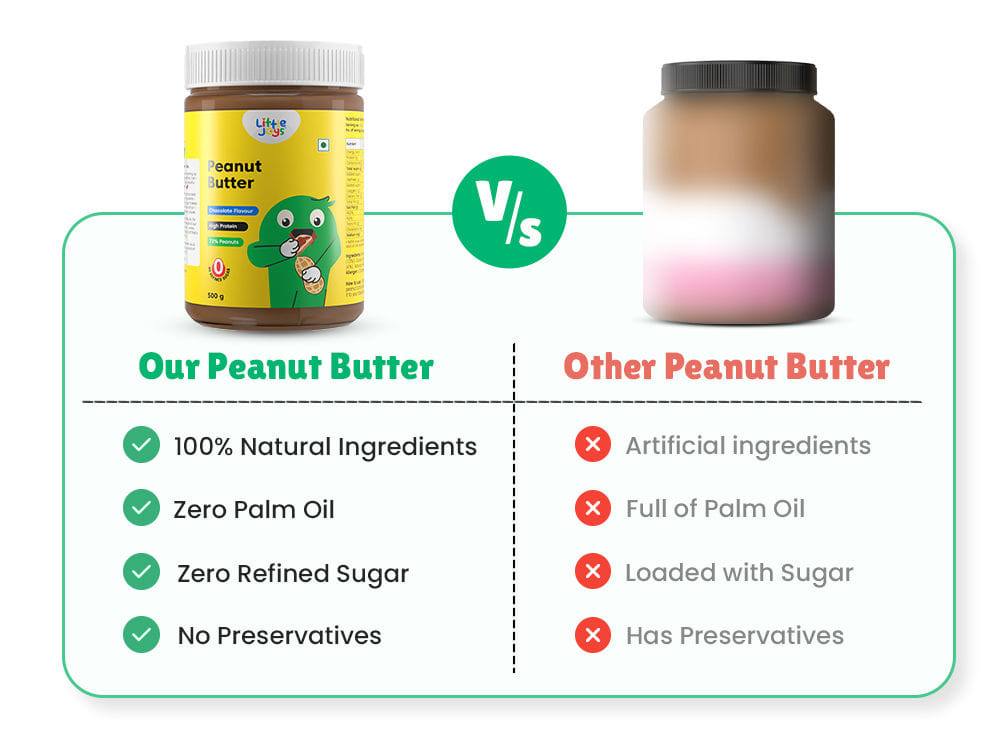
For the full nutritional case for peanut butter in children's diets, see Why Peanut Butter Is One of the Best Snacks for Kids.
The chocolate peanut butter variant combines the protein density of peanut butter with the acceptance advantage of chocolate flavour - the most effective bridge for children who resist plain peanut butter.
Chocolate Hazelnut Spread: Best for Acceptance
Children who consistently refuse plain nut butter often accept chocolate hazelnut spread without resistance. When the product is nut-first with no refined sugar - unlike Nutella which is sugar-first - it provides protein from hazelnuts and antioxidants from natural cocoa alongside the acceptance advantage.
Little Joys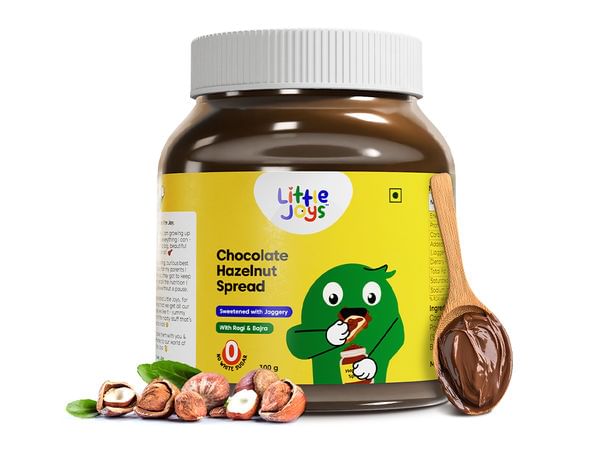
For the full comparison with Nutella and why the distinction matters, see Hazelnut Chocolate Spread vs Nutella: What's Healthier for Kids?
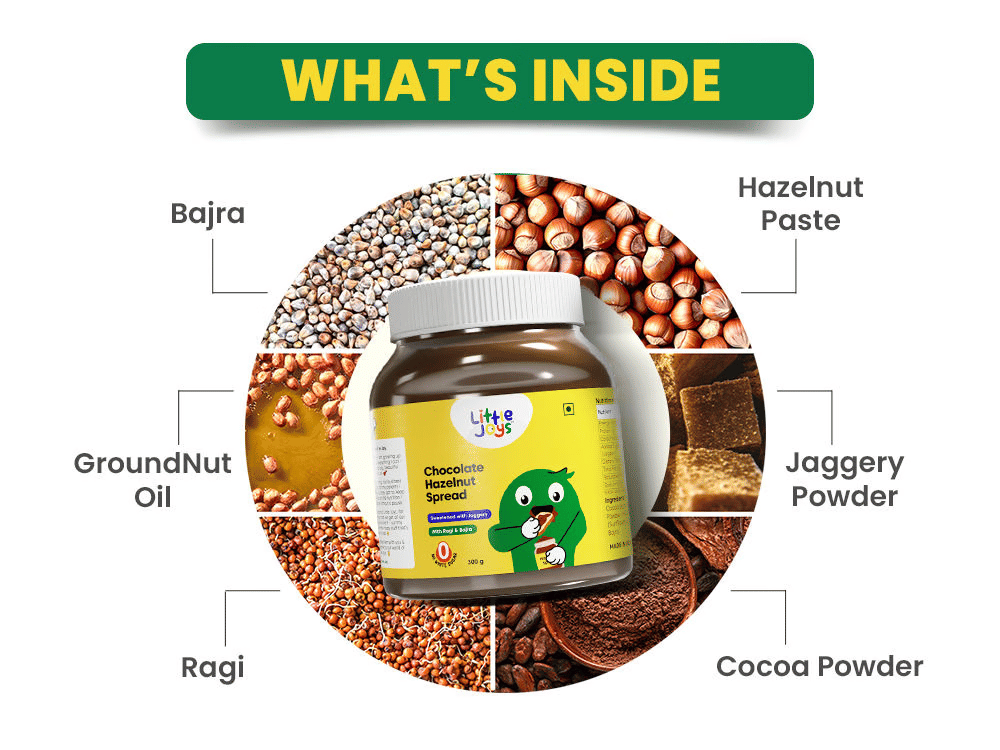
Chocolate Mixed Nut Spread: Best for Variety
A blend of multiple nut types provides a broader range of fatty acids, minerals, and amino acids than any single nut. For children who have built acceptance of nut spreads and are ready for more variety, a mixed nut spread broadens the nutritional base while maintaining the accepted format.
Little Joys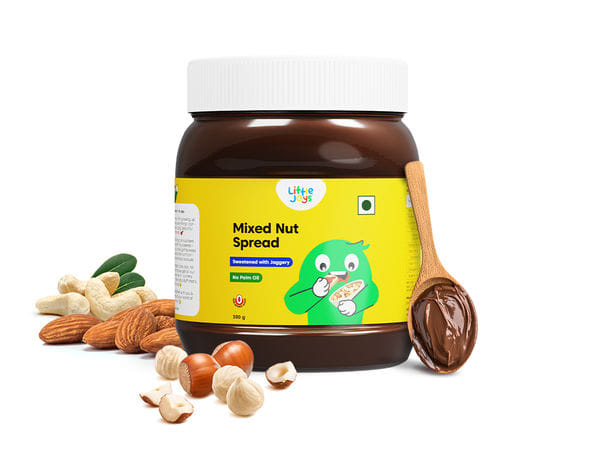
Sandwich Building Tips
Protein + carbohydrate: A nut spread sandwich on whole grain bread or roti covers protein and complex carbohydrates. Adding a banana inside or alongside covers potassium and natural sugar for sustained energy.
Protein + jam: Natural nut butter paired with a real fruit jam (strawberry honey or mixed berry, no refined sugar) is one of the most accepted sandwich combinations and a complete snack covering protein, healthy fats, and Vitamin C from the fruit.
For younger children: Thin the nut spread with a small amount of warm water or milk to reduce the stickiness that can be a choking concern for children under 3.
FAQ
Q: Is there a difference between peanut butter and peanut spread?
Yes. Peanut butter is made from ground peanuts only (and optionally salt). Peanut spread may contain added vegetable oil, sugar, and emulsifiers that change the texture and reduce the peanut content. Always check that peanuts are the only ingredient.
Q: Can children with tree nut allergies eat peanut butter?
Peanuts are legumes, not tree nuts. Many children with tree nut allergies (hazelnut, almond, walnut) can eat peanut butter safely. However, food allergies should always be confirmed individually - if there is any uncertainty, introduce under medical guidance.