
Bajra (Pearl Millet) for Kids: Benefits and Easy Ways to Include It
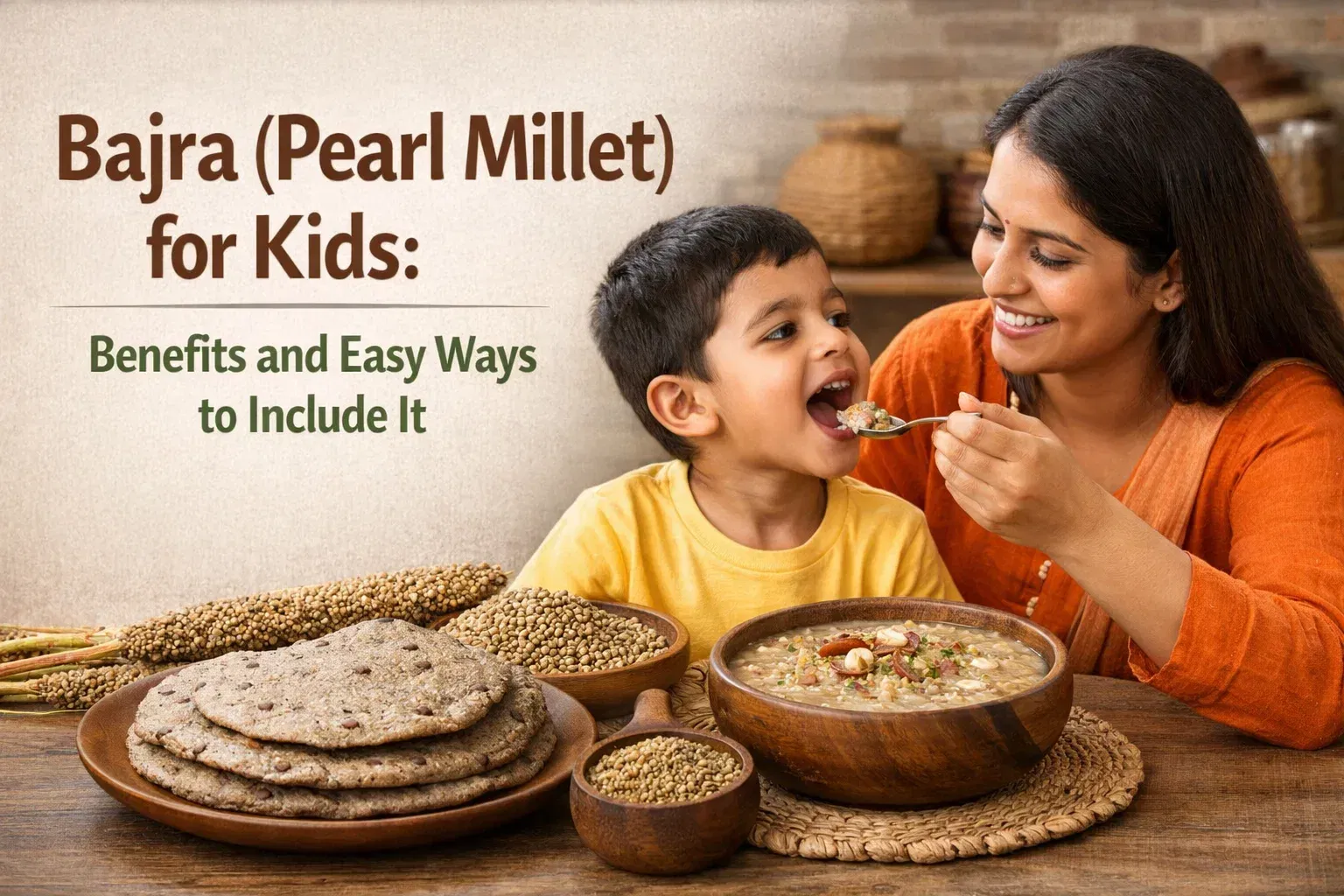
Bajra is one of the most nutritionally complete grains available in India - and one of the most underused in modern urban kitchens. While families have moved toward refined wheat bread and packaged cereals, bajra has quietly remained one of the best things a growing child can eat.
Here is why it belongs back on your child's plate, and how to include it without resistance.
What Makes Bajra Stand Out Nutritionally
Iron - higher than wheat and rice Bajra contains approximately 8 mg of iron per 100g - significantly more than wheat (2.7 mg) or polished rice (0.7 mg). Iron is essential for energy, cognitive function, and immune cell activity. Iron deficiency is the most widespread nutritional deficiency among Indian children, and a simple dietary shift toward bajra makes a meaningful difference.
Zinc for immunity and growth Bajra provides around 3.1 mg of zinc per 100g - more than most commonly eaten grains. Zinc is directly involved in producing every type of immune cell and supporting physical growth. Children eating little meat, eggs, or legumes are frequently low on zinc; bajra is one of the best plant-based alternatives.
Protein and essential amino acids Bajra provides around 11g of protein per 100g - comparable to wheat but with a different amino acid profile that complements dal and legume-based Indian meals well. Together, bajra and dal provide a near-complete protein source for vegetarian children.
Complex carbohydrates for sustained energy Unlike refined grains, bajra releases energy slowly - keeping blood glucose stable through a school morning. Children eating bajra-based breakfasts show better sustained energy and attention compared to those eating refined white bread or processed cereals.
Magnesium for sleep and muscle function Bajra is rich in magnesium - a mineral involved in over 300 enzymatic processes, including sleep regulation, muscle relaxation, and nerve function. Many children with disturbed sleep or frequent muscle cramps are low on magnesium.
Fibre for gut health Like ragi, bajra's dietary fibre feeds beneficial gut bacteria and supports regular digestion. A diverse microbiome built on varied fibre sources is a key pillar of long-term immune health.
Nutritional Profile at a Glance
| Nutrient | Per 100g of Bajra |
|---|---|
| Iron | ~8 mg |
| Zinc | ~3.1 mg |
| Protein | ~11 g |
| Magnesium | ~137 mg |
| Dietary Fibre | ~1.2 g |
Best Ways to Include Bajra in a Child's Daily Diet
Bajra roti The most common form. For children who find 100% bajra rotis too dense, mixing with wheat flour (60:40 or 50:50) produces a softer roti that is more readily accepted. Serve with dal, curd, or any sabzi.
Bajra khichdi Bajra cooked with moong dal, ghee, and mild spices - a complete one-pot meal that covers protein, iron, and zinc together. The combination of bajra and moong is one of the most nutritionally efficient meals for young children.
Bajra porridge Similar to ragi porridge - bajra flour cooked with water or milk, sweetened with jaggery. A warm, filling breakfast for younger children.
Bajra in a nutrition powder For children who consistently resist bajra in food form - or who eat very limited variety - a nutrition powder with bajra as a base ingredient covers the same nutritional ground in a drink format.
Bajra and Ragi Together
Bajra and ragi complement each other nutritionally - ragi is higher in calcium, bajra is higher in iron and zinc. Alternating between the two across the week, or combining them in rotis or nutrition powders, covers both sets of mineral needs more comprehensively than relying on a single grain.
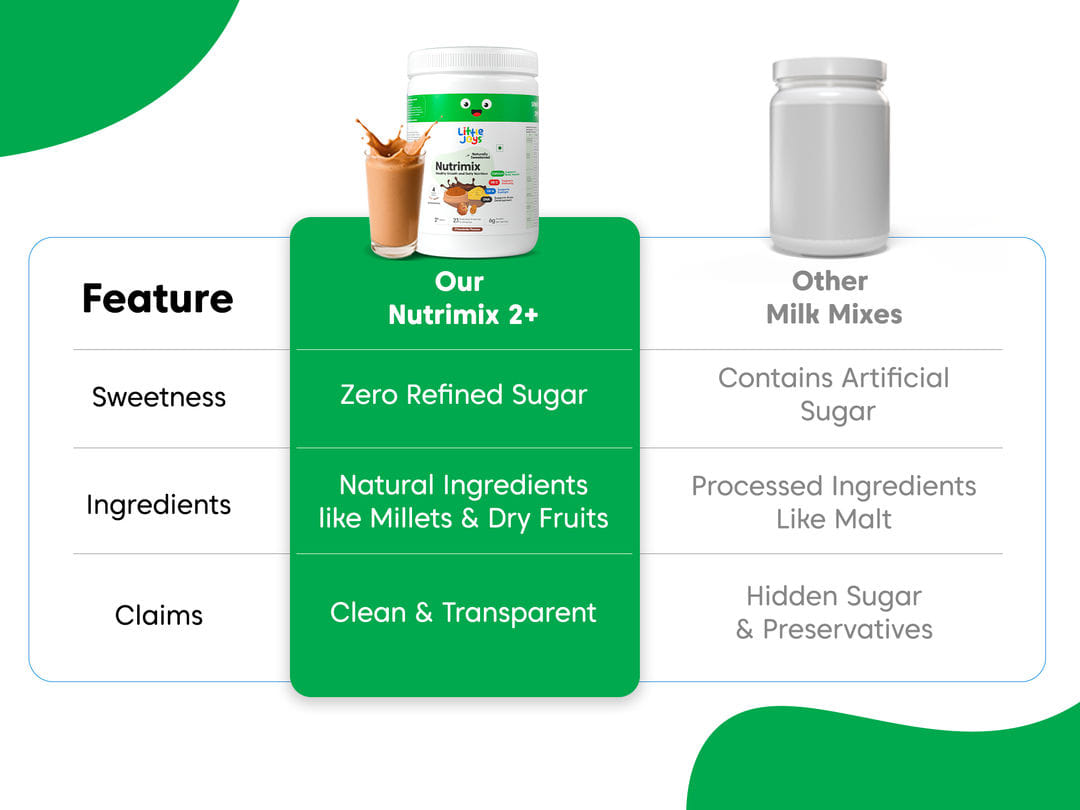
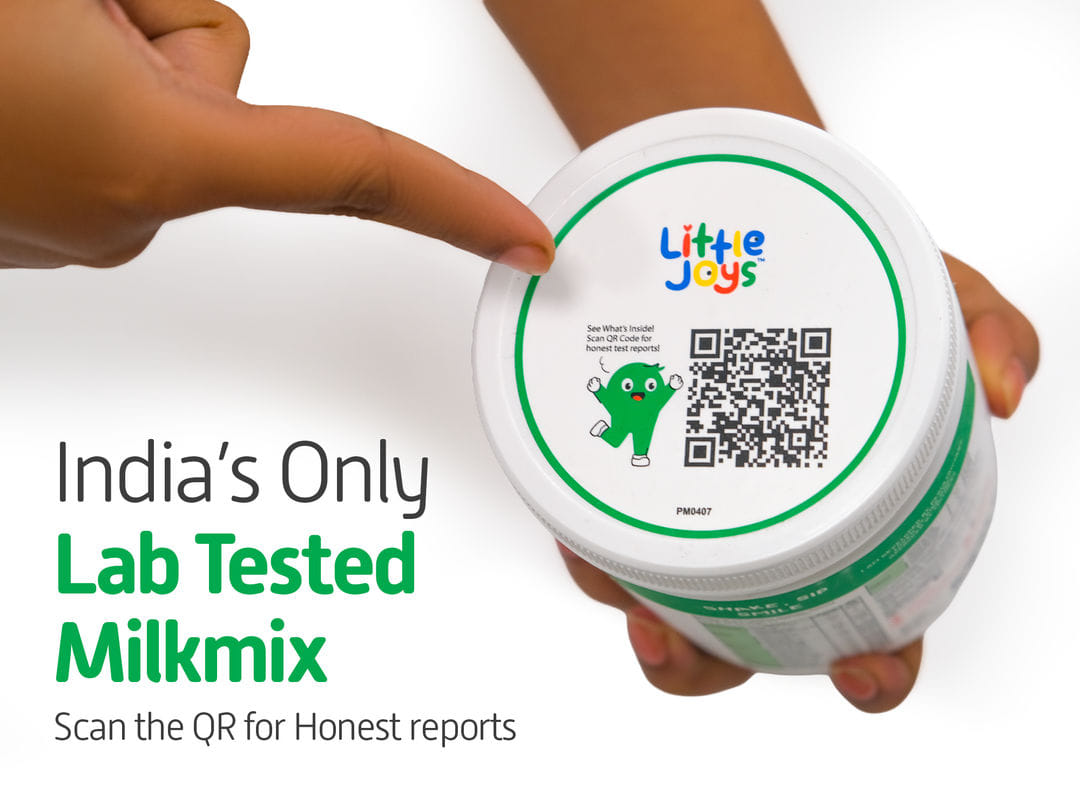
Little Joys NutriMix uses both ragi and bajra as primary base ingredients, alongside almonds, walnuts, and plant protein. One daily serving covers the iron, zinc, and calcium that these millets provide - without requiring a child to eat them in traditional food forms consistently. No refined sugar, sweetened with jaggery and dates, GMP certified.
FAQ
Q: From what age can children eat bajra?
Bajra can be introduced from 8-10 months as a soft porridge. It is well tolerated and one of the more nutritious first grains to introduce after plain rice or ragi.
Q: Is bajra gluten-free?
Yes. Bajra is naturally gluten-free, making it a safe option for children with wheat intolerance or coeliac disease.
Q: Does bajra cause any digestive issues in children?
In large amounts, bajra contains antinutrients (phytates) that can reduce mineral absorption. Soaking bajra flour overnight before cooking reduces phytate content significantly and improves mineral availability.
Q: How often should children eat bajra?
2-3 times per week in rotation with ragi, rice, and wheat covers the nutritional benefit without monotony. Daily inclusion is also safe and beneficial for most children.