
Are Gummy Vitamins as Effective as Tablets for Kids?
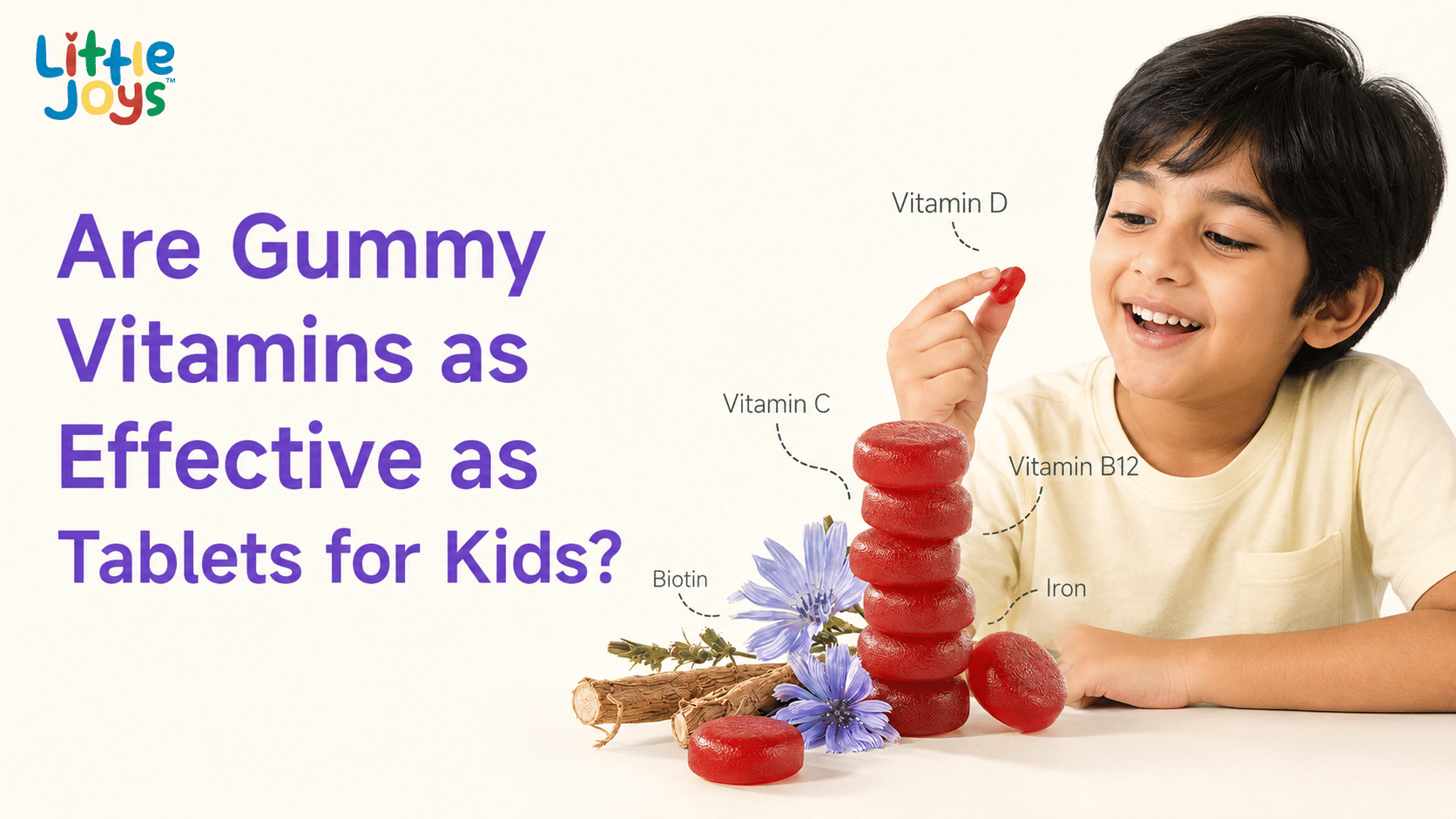
Yes, gummy vitamins can be effective for kids when they are age-suitable, correctly dosed, made with the right nutrients and used for real nutrition gaps. In fact, for many children, gummies can be a better daily format than tablets because they are easier to chew, easier to accept and simpler to keep consistent, especially for picky eaters. Little Joys Gummies are built around this exact need, with no-added-sugar gummy formats across multivitamin, DHA brain, calcium and magnesium support, making daily nutrition support easier for Indian parents.
 Little Joys
_8en917.png?tr=w-600)
Parents usually compare gummies and tablets because the problem is not only nutrition.
The real problem is acceptance.
A tablet may have nutrients, but it does not help if the child refuses it.
A syrup may be useful, but some children dislike the smell or taste.
A gummy works better for many families because it feels less like medicine and more like a simple daily routine.
That is why the better question is not only:
Are gummies as effective as tablets?
It is:
Which vitamin form will my child actually take safely and consistently?
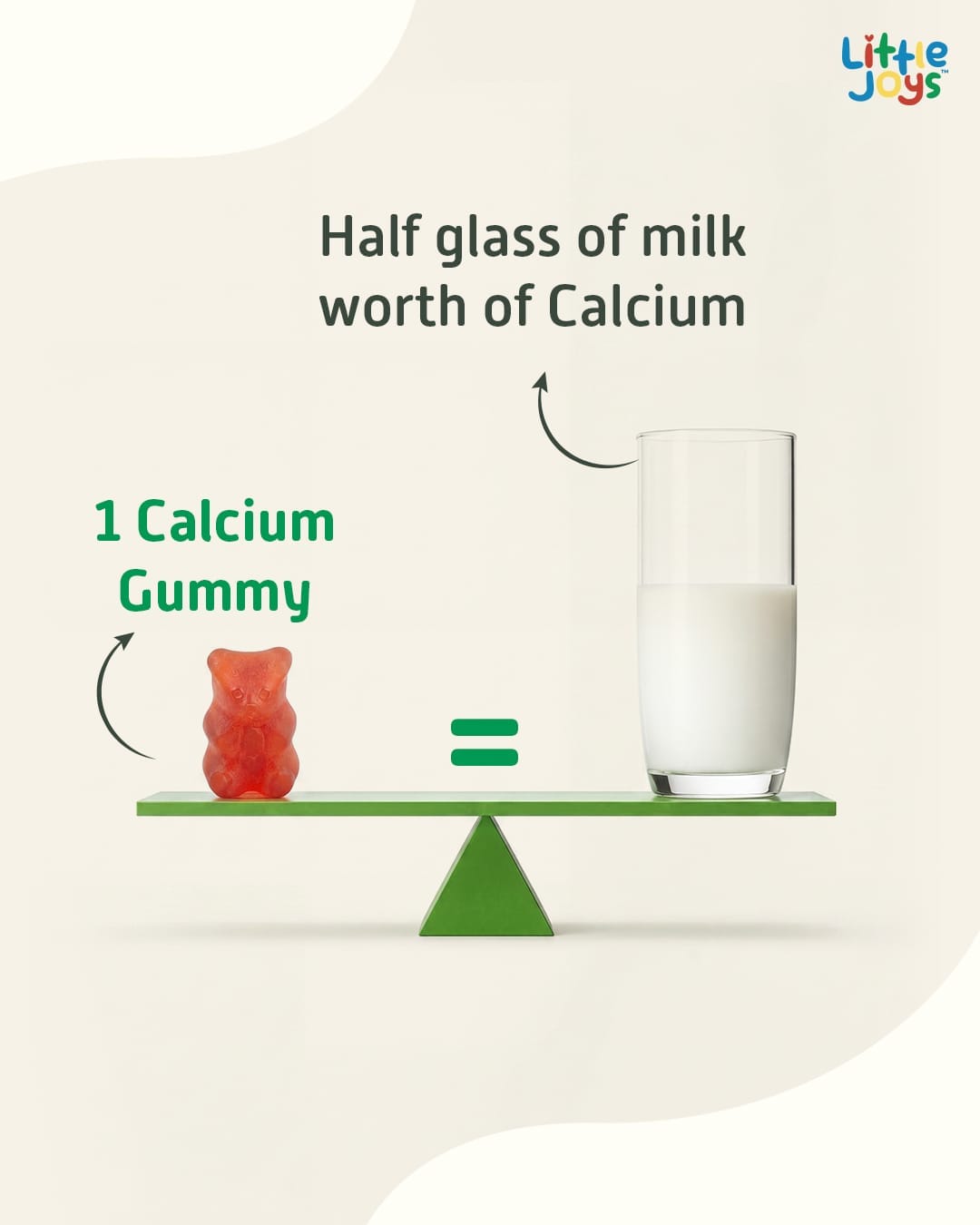
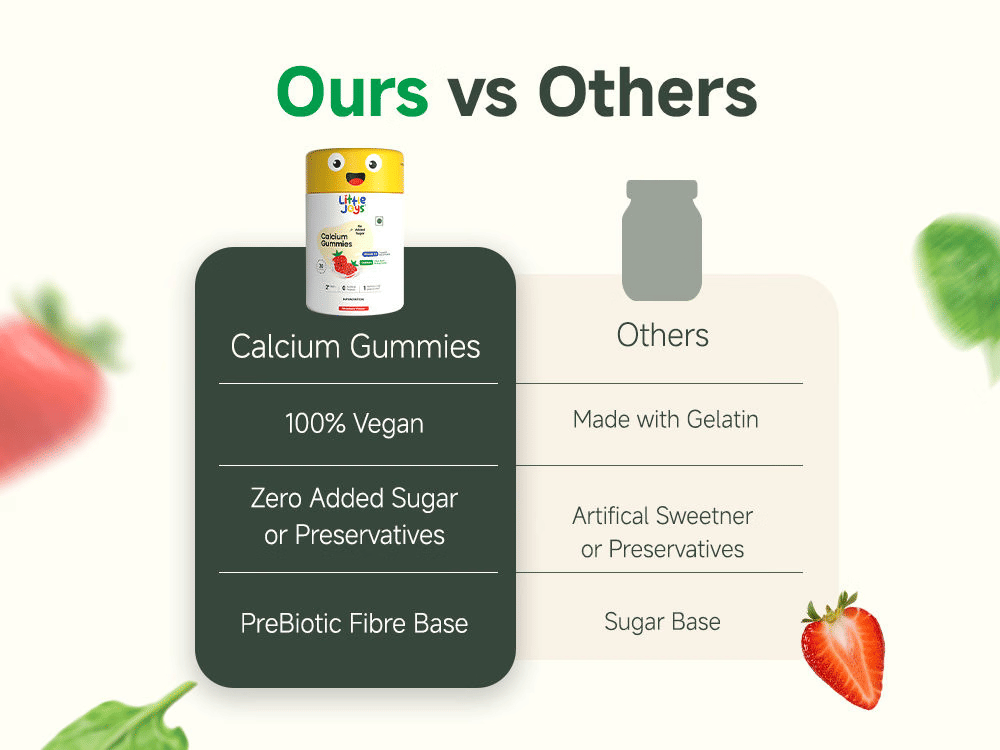
Gummy vitamins and tablet vitamins can both support nutrition gaps in kids when they contain the right nutrients and are used as directed. Gummies often stand out for children because they are easier to take, especially for picky eaters or kids who refuse tablets. The best gummy vitamins for kids should have no added sugar, clear nutrients, age suitability and a fibre or prebiotic base. Little Joys Gummies fit this direction with no-added-sugar formats for daily multivitamin, DHA brain, calcium and magnesium support.
What This Blog Answers
This blog directly answers:
- Are gummy vitamins as effective as tablets for kids?
- Do gummy vitamins provide the same nutrient benefits as tablets?
- What are the key differences in nutrient delivery?
- Do children’s gummy vitamins have lower potency than tablets?
- How do gummies compare to tablets in dosage?
- Are gummies easier for kids to digest?
- What are the side effects of gummy vitamins for kids?
- Are there age groups where tablets are preferred?
- Are multivitamin gummies better than pills?
- Is it okay to eat vitamin gummies every day?
Gummies vs Tablets for Kids: The Real Difference
| Parent Check | Gummies | Tablets |
|---|---|---|
| Ease of taking | Easier for most kids | Often harder for younger kids |
| Taste acceptance | Higher | Usually lower |
| Picky eater fit | Strong fit | Lower fit if child refuses |
| Swallowing comfort | Chewable and simple | Can be difficult |
| Daily routine | Easier to continue | Depends on child acceptance |
| Sugar concern | Choose no-added-sugar gummies | Usually less sweet |
| Overuse risk | Must be kept away from kids | Lower candy-like appeal |
| Best use | Daily nutrition gaps | Doctor-led specific dosing |
The biggest advantage of gummies is practical effectiveness.
A vitamin only supports a child if the child actually takes it.
For kids who resist tablets or syrups, gummies can make daily nutritional support much easier.
Are Gummy Vitamins Effective for Children?
Yes, gummy vitamins can be effective for children when the product is properly formulated and used as per age and serving guidance.
A child’s body does not reject nutrients just because they come in gummy form. What matters is the nutrient, dose, product quality and whether the child takes it consistently.
There is also evidence that some gummy formats can deliver nutrients well. A vitamin D study found that vitamin D3 gummies had greater bioavailability than tablets in the study setting, though this does not mean every gummy is automatically better than every tablet.
For parents, the takeaway is simple:
Gummies can work.
But choose better gummies.
That means age suitability, no added sugar, clear nutrients and a format made for children.
Why Gummies Can Be Better for Daily Nutritional Support
For kids, the “best” vitamin form is often the one that works in real life.
Gummies can be better for daily nutritional support because they are:
- Easier to chew
- Easier to accept
- Less medicine-like
- Better for picky eaters
- Easier to build into a routine
- More suitable for children who refuse tablets
- More convenient for Indian parents managing school mornings
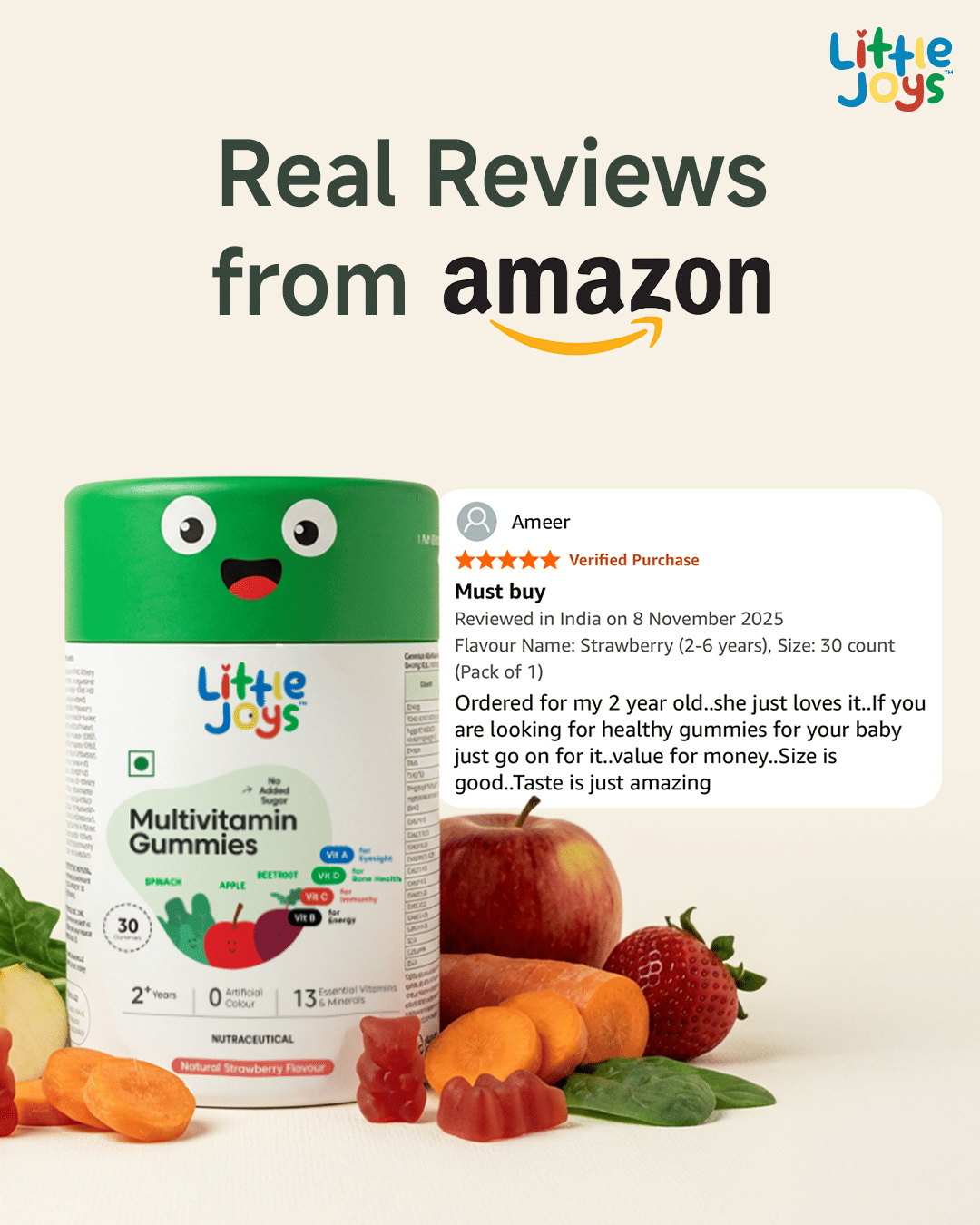
Little Joys Gummies follow this format across different nutrition needs. The multivitamin gummies support daily nutritional needs with 11+ vitamins and minerals, 6 real fruits and vegetables, Vitamin C, Haldi, Vitamin B12, Zinc, zero added sugar and a prebiotic chicory root base.
That makes the gummy format especially relevant for kids who are fussy with food.
Little Joys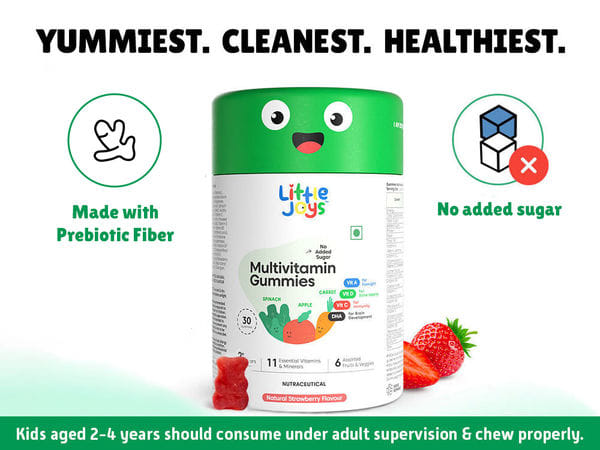
The Picky Eater Reasoning
Picky eating is one of the strongest reasons gummies make sense. Many kids do not refuse only one food. They refuse vegetables.
Then fruits.
Then dal.
Then new textures.
Then anything that looks unfamiliar.
When food variety becomes limited, small nutrition gaps can appear. A gummy vitamin can help support those gaps while parents continue offering regular meals.
Little Joys Gummies are useful here because the brand offers concern-led gummy formats instead of one generic supplement idea:
- Multivitamin gummies for daily nutrition gaps
- DHA brain gummies for brain nutrition support
- Calcium gummies for bones and teeth support
- Magnesium gummies for daily magnesium support
This makes gummies a flexible category for Indian families, not just a sweet-looking supplement.

Do Gummies Provide the Same Nutrient Benefits as Tablets?
Gummies can provide similar nutrient benefits when they contain the required nutrients in the right amount and are taken correctly.
The difference is usually not the form alone.
The difference is:
- Which nutrients are included
- Whether the dose matches the child’s age
- Whether the child takes it consistently
- Whether the product has added sugar
- Whether parents use it as support, not as a meal replacement
Some general gummy vitamins in the market may have fewer nutrients or added sugar, which is why label checking matters. Cleveland Clinic notes that gummy vitamins can contain sugar and may have dental concerns when sticky sweet formats cling to teeth.
That is why no-added-sugar gummies are a better choice for kids. Little Joys Gummies use no-added-sugar formats across key gummy categories, including multivitamin, DHA brain, calcium and magnesium options.
What About Dosage?
Dosage matters more than the form. A gummy and a tablet can both be useful if they provide the right amount for the child’s age.
Parents should check:
- Age group
- Daily serving
- Nutrient amount
- Whether the child already takes another supplement
- Whether there is overlap between products
- Whether medical advice is needed
For young children, more is not better. The American Academy of Pediatrics says healthy children eating a normal balanced diet usually do not need extra vitamin supplementation above recommended allowances, and it warns against megadoses of vitamins.
So gummies should be taken as directed. Not like candy. Not in extra amounts.
Do Gummy Vitamins Have Lower Potency Than Tablets?
Some gummy vitamins may have lower potency than tablet formats, but this depends on the brand, formula and nutrient type.
That does not make gummies a weaker choice for kids.
For daily nutrition support, the better question is:
Is this gummy giving the right support in a format my child will actually take?
For picky eaters, a well-formulated gummy can be more useful than a tablet that stays untouched.
Little Joys Multivitamin Gummies support daily nutritional needs with vitamins, minerals, real fruits and vegetables, and zero added sugar. That makes the format more relevant for children who need everyday nutrition support but refuse medicine-like formats.
Are Gummies Easier for Kids to Digest Than Tablets?
Many children find gummies easier because they are chewed before swallowing. Tablets can feel chalky, hard or medicine-like. Some children may not swallow them safely or comfortably.
Gummies are easier for:
- Younger kids who can chew safely
- Picky eaters
- Children who refuse syrups
- Children who dislike tablets
- School-going kids who need a simple daily routine
This does not mean every child must take gummies. It means gummies are often the more practical format for daily support.
What Are the Downsides of Gummy Vitamins?
The common downsides of gummy vitamins are usually not about gummies as a format. They are about poorly chosen gummies.
Parents should avoid gummies that:
- Have added sugar
- Look too much like candy
- Have unclear serving guidance
- Do not mention age suitability
- Do not clearly explain nutrients
- Are easy for children to overeat
- Are used along with multiple supplements without checking overlap
Cleveland Clinic notes sugar and sticky texture can be concerns with gummy vitamins, especially for dental health.
This is why Little Joys’ no-added-sugar gummy approach is important. It keeps the easy format but removes one of the biggest parent concerns around gummies.
Are Tablets Ever Needed?
For everyday nutritional gaps, gummies are often the easier and more child-friendly choice.
Tablets may only become relevant when a doctor prescribes a specific high dose.
For most Indian parents dealing with picky eating, food refusal or tablet resistance, gummies are the more practical format.
The goal is not to choose a format that looks stronger on paper.
The goal is to choose a format that the child can take consistently and safely.
Little Joys Gummies
Little Joys Gummies work well as a kids’ nutrition category because the range is concern-led.
The gummy format covers:
- Daily nutrition gaps through multivitamin support
- Brain nutrition support through DHA and choline
- Bone and teeth support through calcium and Vitamin D3
- Magnesium intake support through magnesium with B6 and vegan D3
The range keeps the parent-friendly checks in focus: no added sugar, fibre or prebiotic base and easy daily use across different needs.
That is why gummies can stand out as a better category for children.
They solve the biggest problem tablets often fail at: daily acceptance.
What Parents Should Remember
Gummies are not a replacement for food.
They are a support format.
Kids still need fruits, vegetables, dal, roti, rice, curd, milk, paneer, eggs, nuts, seeds or other family foods depending on diet.
Mayo Clinic notes that most healthy children do not need multivitamins if they are growing normally and eating a variety of foods, because meals and snacks can provide the nutrients most preschoolers need.
So use gummies when there is a real gap.
Use them consistently.
Use them as directed.
Keep food first.
Final Answer
Gummy vitamins are effective for kids when they are age-suitable, correctly dosed and made with the right nutrients.
For daily nutritional support, gummies often stand out over tablets because they are easier to consume, easier for picky eaters to accept and easier to continue as a routine.
The best gummy vitamins for kids should have:
- No added sugar
- Clear nutrients
- Age suitability
- Fibre or prebiotic base
- Concern-specific support
- Safe serving guidance
Little Joys Gummies fit this modern kids’ nutrition format with no-added-sugar options across multivitamin, DHA brain, calcium and magnesium support.
For Indian parents, that makes gummies a stronger everyday choice than tablet formats for most kids’ nutrition gap needs.
FAQs
Are gummy vitamins as effective as tablets for kids?
Yes. Gummy vitamins can be effective for kids when they are age-suitable, correctly dosed and used for real nutrition gaps. Gummies are often easier for kids to take consistently than tablets.
Are gummy vitamins effective for children?
Yes, gummy vitamins can support children’s nutrition when they contain the right nutrients and are used as directed. They are especially useful for picky eaters and kids who refuse tablets or syrups.
Is it better to get gummy vitamins or pills for kids?
For many kids, gummies are better because they are easier to chew, easier to accept and easier to use daily. Pills may be used only when a child can swallow them safely or when a doctor recommends a specific format.
Do gummy vitamins provide the same nutrient benefits as tablets?
They can, when the formula contains the right nutrients in the right amount. Parents should check the label, serving size, sugar content and age suitability.
What is the downside of gummy vitamins?
The main downside is added sugar or candy-like use in some gummy products. Choosing no-added-sugar gummies with clear serving guidance helps reduce this concern.
Can kids take gummy vitamins every day?
Kids can take gummy vitamins daily when they are age-suitable, needed and used as directed. Parents should not give extra servings or combine multiple supplements without checking nutrient overlap.
Are gummy vitamins better for picky eaters?
Yes. Gummies can be better for picky eaters because they are easier to accept than tablets or syrups. They can support daily nutrition gaps while parents continue offering real food.
Do doctors recommend gummy vitamins?
Doctors usually recommend supplements only when there is a diet gap, deficiency risk or medical need. If a supplement is needed, the best format is one the child can take safely and consistently.