
Amla for Kids: A Natural Immunity Superfood
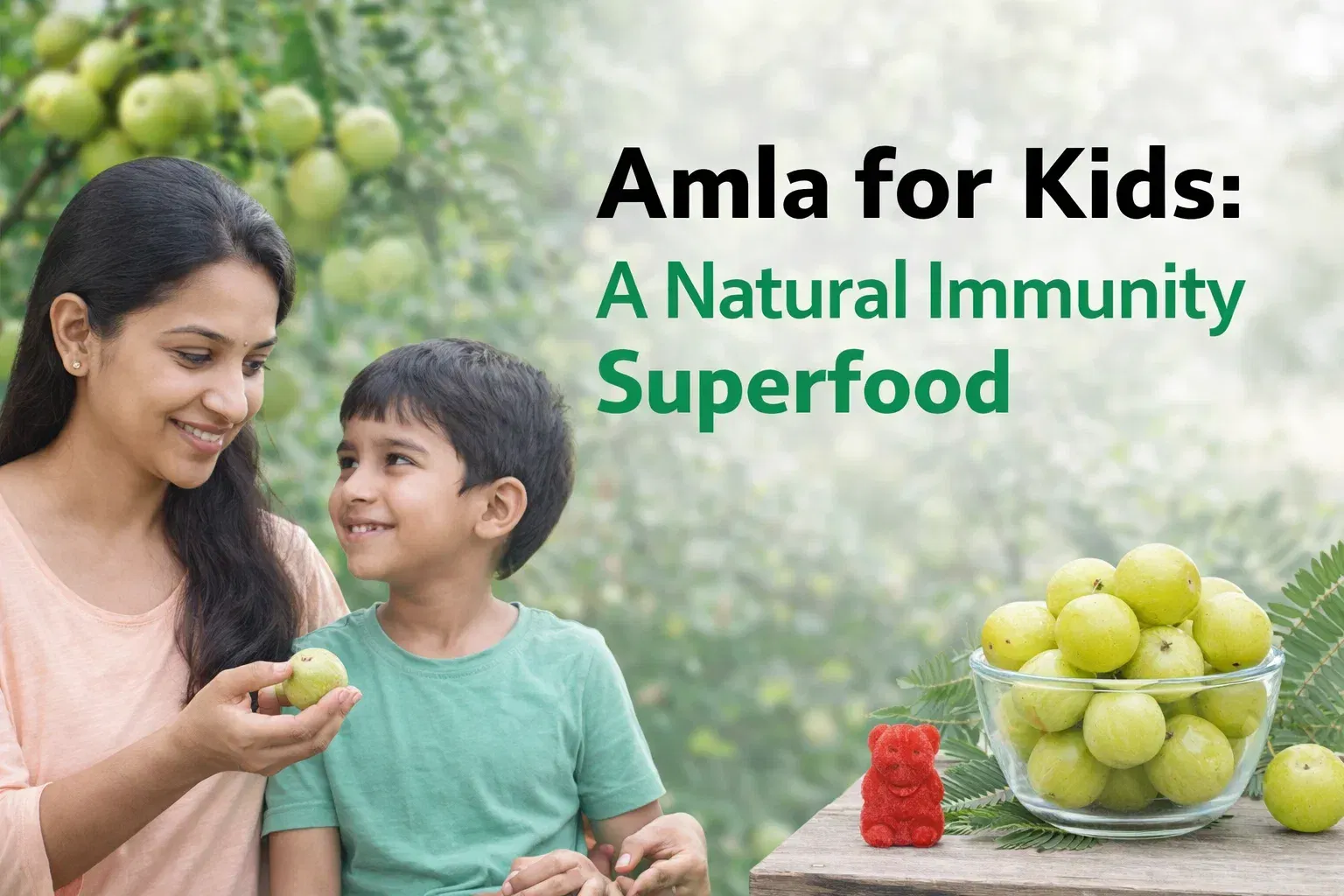
India has one of the richest natural food pharmacies in the world - and amla sits at the top of it. Yet most parents underuse it, defaulting to expensive imported supplements when one of the most potent immunity foods grows locally and costs almost nothing.
Here is everything you need to know about amla for children: what it does, how much to give, and the most practical ways to include it daily.
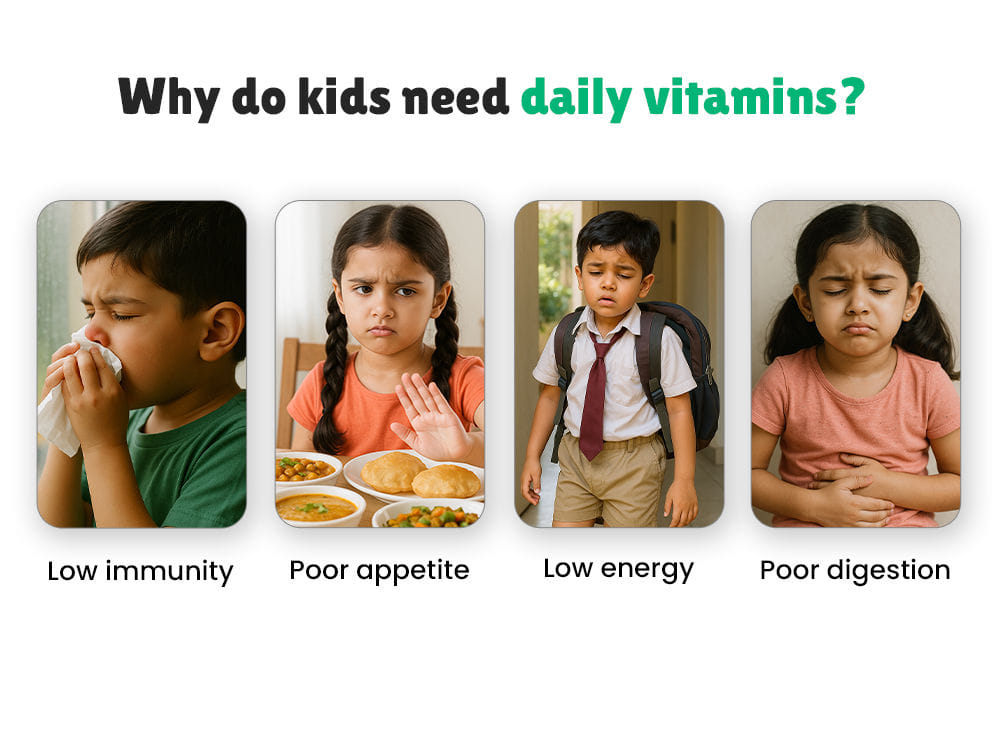
Why Amla Is Exceptional for Immunity
Amla (Indian gooseberry, Phyllanthus emblica) is the richest natural source of Vitamin C in the world - containing roughly 600-700 mg per 100g. For reference, an orange contains around 50-60 mg per 100g. A single small amla covers a toddler's entire daily Vitamin C requirement.
But Vitamin C alone does not explain amla's reputation. It also contains:
- Tannins - polyphenols that have antimicrobial and anti-inflammatory activity
- Flavonoids - antioxidants that protect immune cells from oxidative damage
- Vitamin A precursors - supporting mucous membrane integrity and eye health
- Iron - in a form that amla's own Vitamin C helps the body absorb more efficiently
The combination makes amla a whole-food immunity package rather than a single-nutrient food.
What Amla Does for Children's Immunity Specifically
Vitamin C for white blood cell production Vitamin C stimulates the production and activity of white blood cells. When children get adequate daily Vitamin C, their immune system activates faster when a threat is detected and clears infections more efficiently.
Antioxidant protection during illness When the immune system is active, it generates free radicals as a byproduct of fighting infection. These can damage healthy cells if not neutralised. Amla's dense antioxidant content helps manage this, reducing the collateral damage of immune activation.
Improved iron absorption Iron deficiency is extremely common in Indian children and directly impairs immune function. Amla's Vitamin C significantly improves non-haem iron absorption from dal, leafy greens, and ragi. Giving amla alongside or just after an iron-rich meal is one of the most practical nutritional pairings available.
Gut health support Amla contains soluble fibre that feeds beneficial gut bacteria - adding a modest prebiotic contribution alongside its vitamin content.
How Much Amla Does a Child Need Daily?
A small amount is sufficient. Practical daily amounts by form:
- Fresh amla: Half to one small amla per day (roughly 5-10g)
- Amla juice: 10-15 ml diluted in water or another juice
- Amla powder: Quarter to half a teaspoon mixed into food or a drink
- Dried amla (murabba or candy): One small piece - though commercial versions often contain added sugar, so check the label

Multivitamin Gummies for Kids
100% Safe | Paediatrician Recommended
✅ 11+ vitamins & minerals for your little one's daily nutritional needs.
🍎 Contains 6 real fruits & vegetables! Fulfills any nutrition gaps in diet due to fussy or picky eating.
🛡️ Contains Vitamin C, Turmeric (Haldi), Vitamin B12 & Zinc which are known to boost immunity.
🚫 ZERO ADDED SUGAR - Uses a prebiotic fibre chicory root as its base. Along with gut health and immunity benefits it provides natural sweetness to the gummy.
🚫 No artificial colours, flavours or preservatives. Only the YUMMIEST, CLEANEST, HEALTHIEST gummy!
Best Ways to Give Amla to Children
Mixed into a smoothie or juice Amla powder blended into a banana smoothie or mixed into orange juice is one of the most accepted forms for children under 6. The strong sour taste is masked effectively by banana or sweet fruit.
Stirred into curd Half a teaspoon of amla powder mixed into plain curd. The curd provides probiotic benefit alongside the amla's Vitamin C - a genuinely useful pairing for gut health and immunity together.
Diluted amla juice in water 10 ml of amla juice diluted in half a glass of water works well for children who accept sour flavours. Add a small amount of jaggery if needed.
In a supplement as an extract For children who consistently refuse amla in food form, a supplement containing amla extract or a standardised Vitamin C equivalent covers the same gap reliably.
Amla vs Commercial Vitamin C Supplements
Both have their place. Fresh or powdered amla delivers Vitamin C alongside a full spectrum of polyphenols, tannins, and fibre that no isolated supplement replicates. The whole-food matrix enhances how the body uses the Vitamin C.
A supplement is more consistent - the same measured dose every day regardless of what your child ate. For picky eaters who will not reliably consume amla, a supplement with Vitamin C alongside zinc is a practical fallback.
Little Joys Multivitamin Gummies provide Vitamin C alongside Zinc (zinc citrate) in a chicory root fibre base - zero added sugar, no artificial colours, third-party tested. The combination of Vitamin C and Zinc together is more effective for immunity than Vitamin C alone.
FAQ
Q: Can amla be given to children under 2?
A very small amount of diluted amla juice (5 ml in water) is generally safe from around 8-10 months when complementary feeding is established. For children under 1, consult a nutrition expert first.
Q: Is dried amla (candy or murabba) as effective as fresh?
The Vitamin C content reduces somewhat during processing and storage, but dried amla still provides meaningful nutrition. The main concern is added sugar in commercial products - choose sugar-free or minimally processed versions where possible.
Q: Does cooking amla destroy its Vitamin C?
Yes - heat significantly degrades Vitamin C. Raw, dried, or powdered forms (not heat-processed) retain the most active content.