
Child Refusing Vegetables? What to Give Kids Who Won’t Eat Veggies (Proven Parent Solutions)
Introduction
Does your child push away vegetables every single meal? You're not alone-70% of Indian parents report picky eating challenges.
The good news: Kids refusing vegetables is normal developmental behavior, not a permanent problem. This guide covers 15 practical solutions tested by real parents, backed by child nutrition science.
What you'll learn:
- Why kids reject vegetables (it's biological)
- Preparation methods that work
- Behavioral tactics without pressure
- Sneaky nutrition alternatives
- When to consider supplements
Let's solve this together.
Why Kids Refuse Vegetables
It's evolutionary biology, not defiance:
Children have more taste buds than adults-especially for bitter flavors. Vegetables like spinach, broccoli, and bitter gourd trigger strong reactions. This protected our ancestors from poisonous plants.
Texture matters too: Slimy okra, mushy overcooked carrots, stringy beans-all trigger gag reflexes in sensitive kids.
Color psychology: Green foods signal "unfamiliar" to young brains. Bright oranges and reds feel safer.
Pressure backfires: "Finish your vegetables or no dessert" creates negative associations. Kids dig in harder when forced.
Understanding this removes parent guilt. Your child isn't being difficult-their brain is doing exactly what evolution programmed it to do.
15 Solutions That Actually Work
Change Preparation Methods (Solutions 1-3)
1. Hide Vegetables in Familiar Foods
Puree and blend into foods kids already love:
- Spinach in chocolate smoothies with Little Joys Nutrimix (chocolate masks green color)
- Cauliflower pureed in mac & cheese sauce (same white color)
- Carrots and beetroot in pasta sauce (enhances red color naturally)
Full recipe ideas: hidden veggie recipes kids won't detect
 Dr. Pawan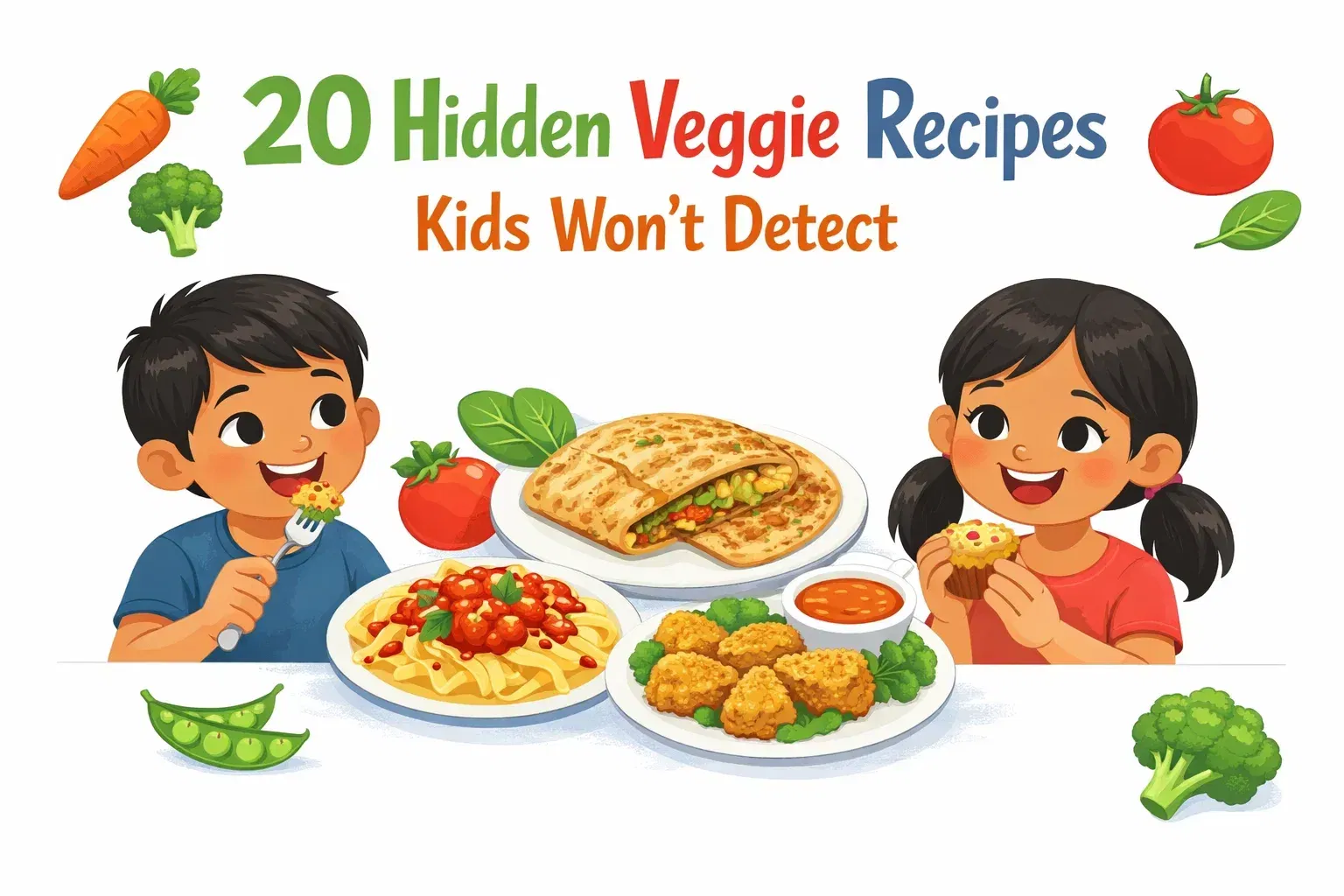
2. Change Cooking Methods
Raw carrots taste different from roasted carrots. Roasting caramelizes natural sugars-makes vegetables sweeter.
Try: Roast sweet potatoes, bell peppers, zucchini, carrots at 200°C for 15 minutes with minimal oil. The sweet, crispy result converts vegetable-haters.
More fiber options: Check our complete fiber-rich vegetables in india guide for preparation tips.
Dr. Vishal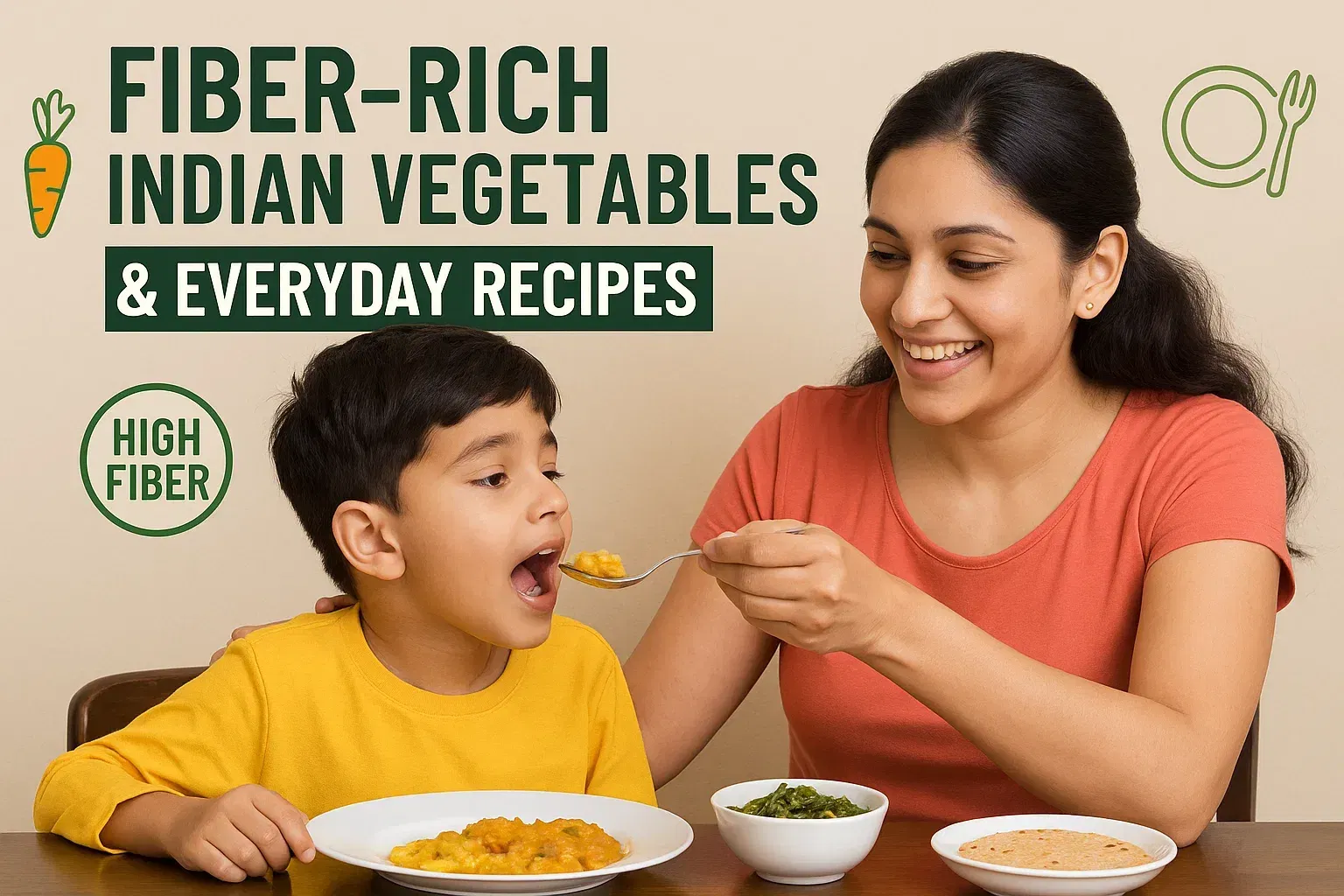
3. Use Kid-Friendly Dips
Kids love dipping. Serve raw vegetables with:
- Little Joys tomato sauce (no added refined sugar)
- Hummus (chickpea-based protein)
- Yogurt-based mint dip
- Peanut butter (protein + healthy fats)
Veggie sticks work: Carrots, cucumbers, bell peppers. More ideas: easy veggie snacks for kids at home.
Dr. Vishal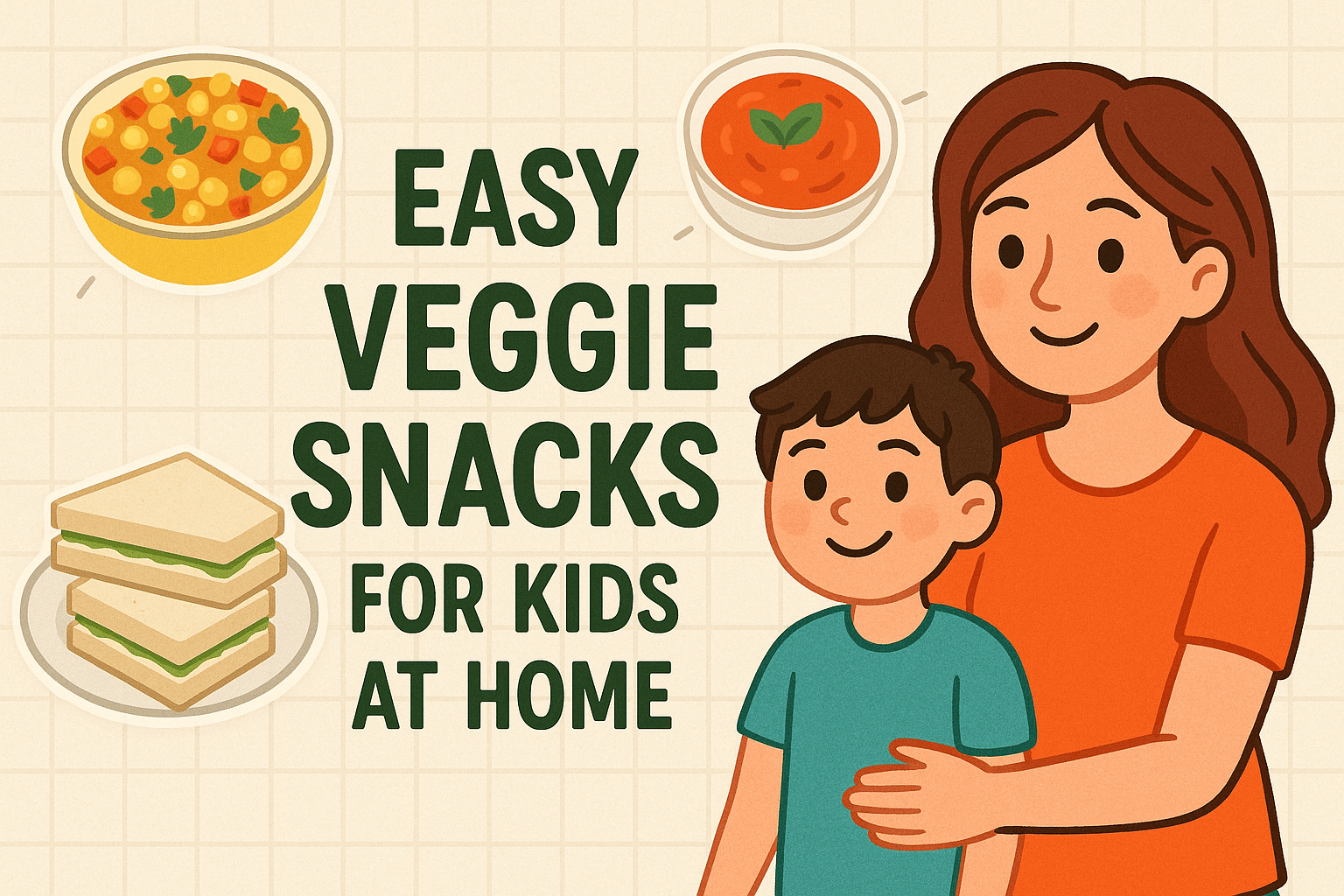
Behavioral Tactics (Solutions 4-6)
4. The No-Pressure Rule
Stop negotiating. Place vegetables on the plate without comment. Kids need 10-15 exposures before accepting new foods.
What works: "Here's dinner" (not "eat your vegetables")
What doesn't: Bribes, threats, "one more bite" negotiations
5. Involve Kids in Cooking
When kids help prepare food, they're 76% more likely to eat it.
Age-appropriate tasks:
- 2-4 years: Washing vegetables, tearing lettuce
- 5-7 years: Mixing, measuring, arranging on plate
- 8+ years: Chopping (supervised), stirring pans
Recipe to try together: fiber-rich vegetable recipes for kids with simple steps.
6. Make It Fun
Create vegetable faces on plates, use cookie cutters for fun shapes, arrange rainbow platters. Instagram-worthy presentations work on kids too.
Sneaky Nutrition (Solutions 7-10)
7. Puree Into Dosa Batter
Add spinach or bottle gourd puree to dosa batter. The fermentation masks flavors. Recipe: tasty healthy dosa for kids.
Dr. Narendra Babu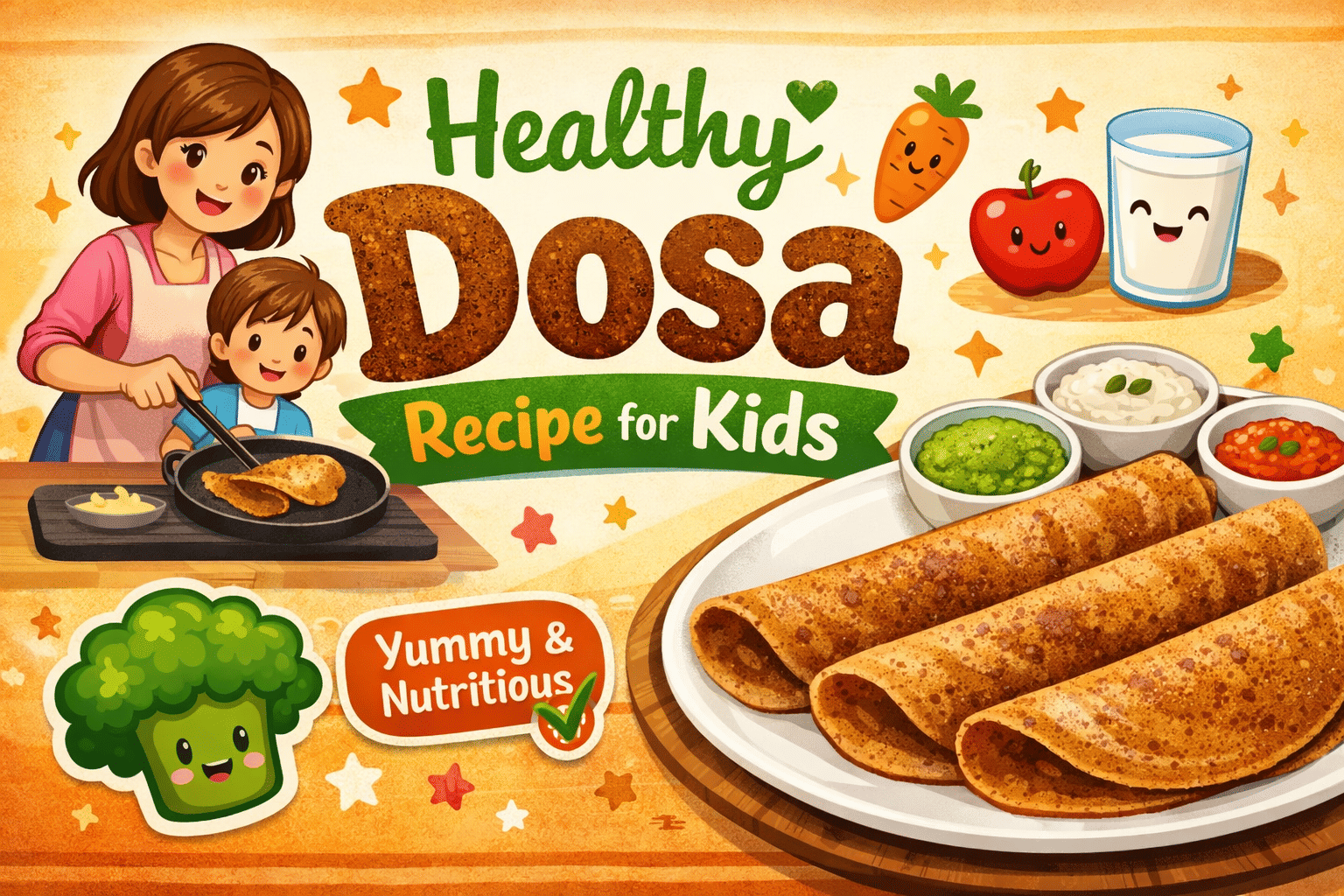
8. Mix Into Tikki and Cutlets
Mashed potatoes hide anything. Add finely grated carrots, peas, spinach to:
- Vegetable tikki - Full recipe: high-fiber veggie tikki
Dr. Vishal
- Appe - Try: palak moong dal appe
Dr. Narendra Babu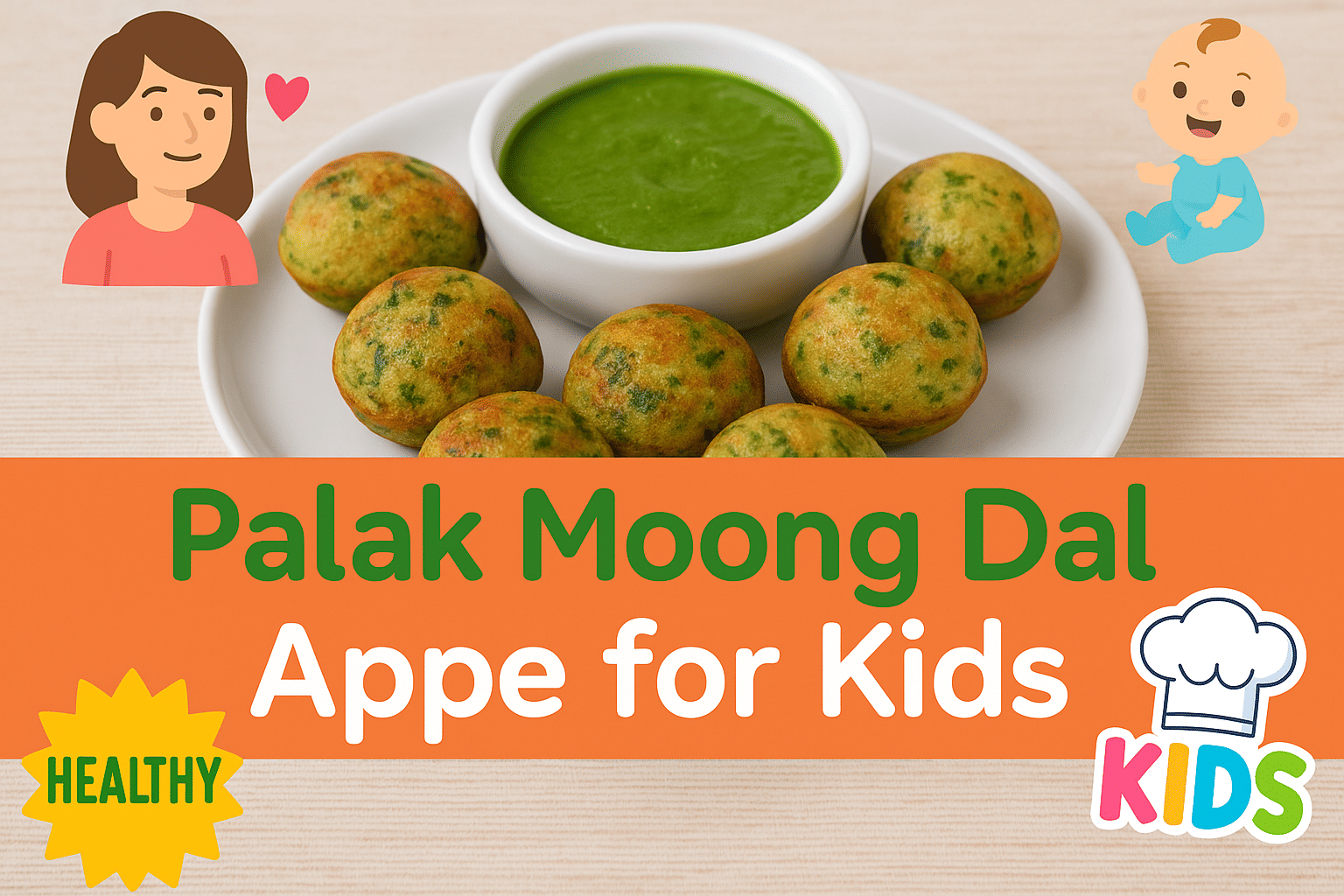
- Cutlets and patties
Kids eat these with ketchup, never noticing vegetables.
9. Sweet Vegetable Dishes
Turn vegetables into desserts:
- Gajar ka halwa (carrot-based sweet) -
Recipe: healthy gajar ka halwa for kids
Dr. Pawan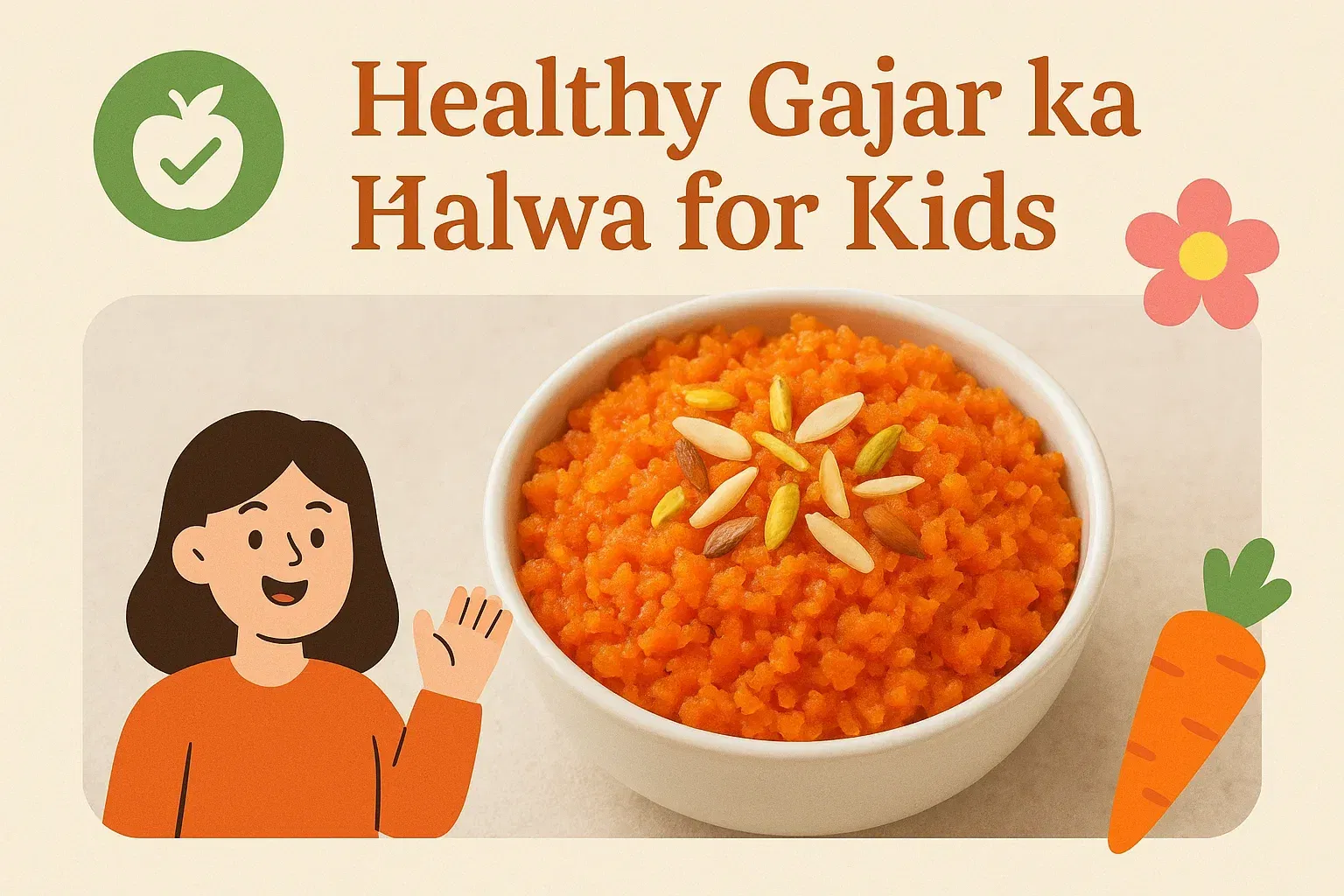
- Beetroot halwa (naturally sweet, beautiful pink color)
- Sweet potato kheer
Vegetables stop feeling like punishment.
10. Gummies with Vegetable Extracts
When all else fails, Little Joys Multivitamin Gummies contain real spinach, carrot, and apple extracts. No added sugar, no artificial colors. Ages 2+.
Brain Gummies also include vegetable-derived nutrients for cognitive development.
Presentation Tactics (Solutions 11-13)
11. Cut Into Fun Shapes
Cookie cutters transform cucumbers and bell peppers into stars, hearts, dinosaurs. Kids eat with eyes first.
12. Serve Raw with Options
Raw vegetables are naturally sweeter and crunchier than cooked. Create DIY snack plates:
- Cherry tomatoes
- Baby carrots
- Cucumber rounds
- Bell pepper strips
- Multiple dipping sauces
13. Colorful Plates Win
Bright plates make food exciting. Divide plates into sections-one for vegetables, one for protein, one for grains. Kids eat more from visually appealing presentations.
Make Vegetables Taste Better (Solutions 14-15)
14. Add Natural Sweetness
Mix naturally sweet vegetables into meals:
- Sweet potatoes (naturally sweet)
- Carrots (high natural sugar)
- Corn (kids universally love)
- Pumpkin (mild, sweet flavor)
These "gateway vegetables" build tolerance for bitter greens later.
15. Indian Spices Transform Flavor
Bland steamed broccoli fails. But add:
- Garam masala
- Chaat masala (tangy-spicy)
- Turmeric (mild, golden color)
- Cumin-coriander powder
Vegetables taste like Indian snacks kids already enjoy.
Weekly Action Plan
Week 1: Try one new preparation method. Pick easiest vegetable (carrots or sweet potatoes). No pressure-just place on plate.
Week 2: Involve kids in grocery shopping. Let them pick one new vegetable to try.
Week 3: Cook together. Start with simple recipe like 30 easy recipes for kids.
Dr. Vishal
Week 4: Make it a game. Create "rainbow week"-eat different colored vegetables daily.
Track progress without pressure. Small wins compound over weeks.
When to Consider Supplements
If after 4-6 weeks your child still refuses most vegetables:
Consider quality supplements:
- Little Joys Multivitamin Gummies (ages 2+) provide vitamin A, C, E from vegetable sources
Little Joys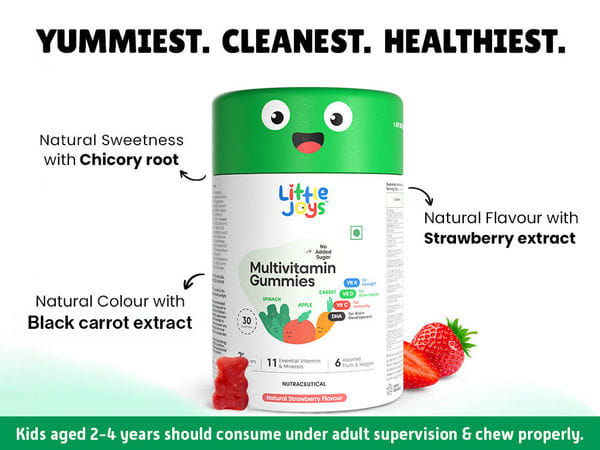
- Contain real spinach, carrot, apple extracts
- No refined sugar, no gelatin, no artificial additives
Important: Supplements complement diet, don't replace it. Keep offering vegetables even while using gummies. Many parents report kids eventually eat vegetables after initial gummy period-once nutritional deficiencies are addressed, food aversions often decrease.
Conclusion
Consistency matters more than perfection. Pick 2-3 tactics from this list, use them daily for 30 days.
Most kids eventually eat vegetables-it just takes patience, creativity, and zero pressure.
Need support? Little Joys offers vegetable-derived nutrition in kid-friendly formats while you work on building healthy eating habits.