
Why Most Kids' Snacks Fail the Nutrition Test
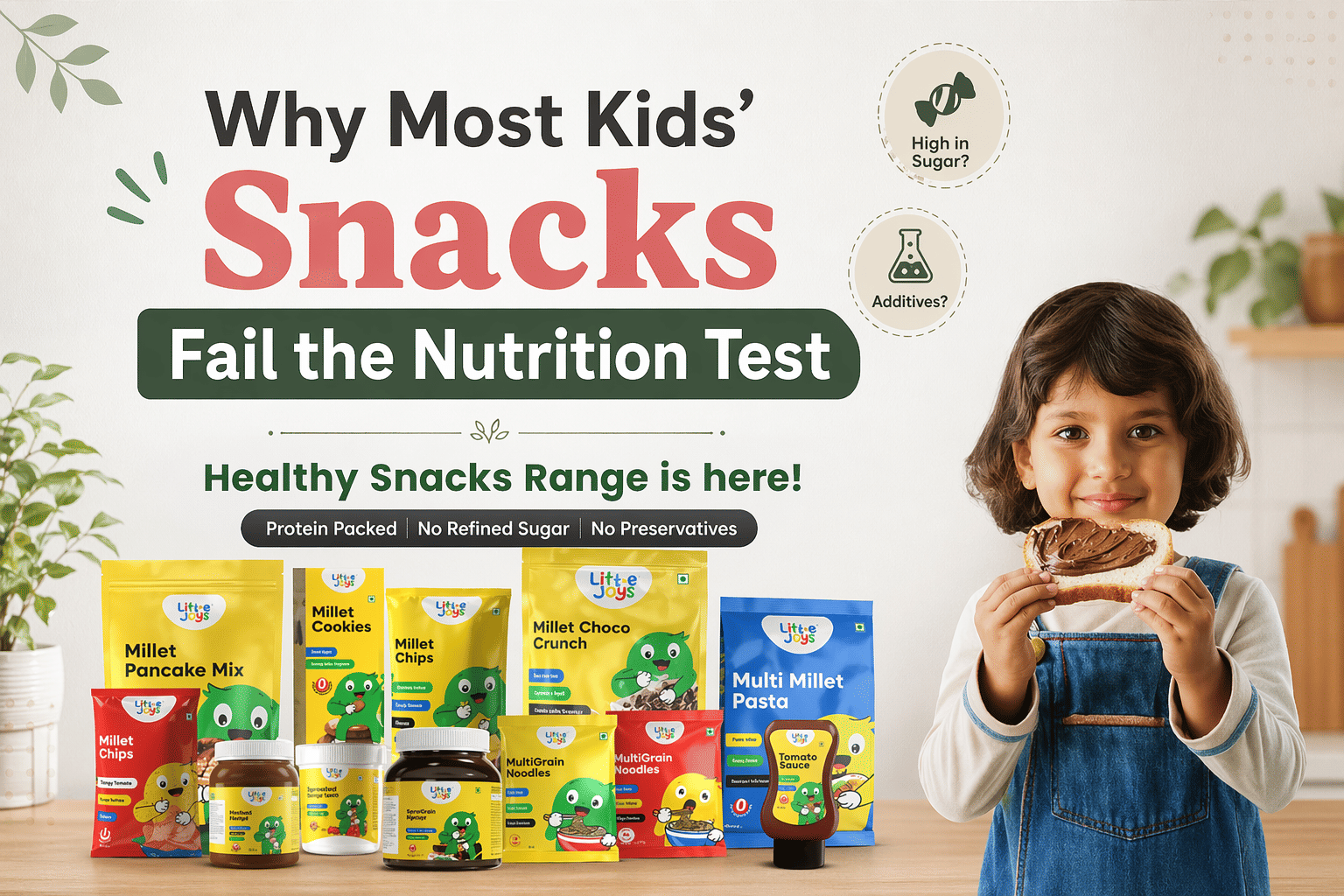
Most packaged snacks marketed for children fail a basic nutrition test on at least one of four counts: refined flour as the primary ingredient, sugar in the top three ingredients, artificial colours or preservatives, and inadequate protein or fibre. Many fail all four simultaneously. Understanding why helps parents make faster, more confident decisions at the store.
 Team MosaicWellness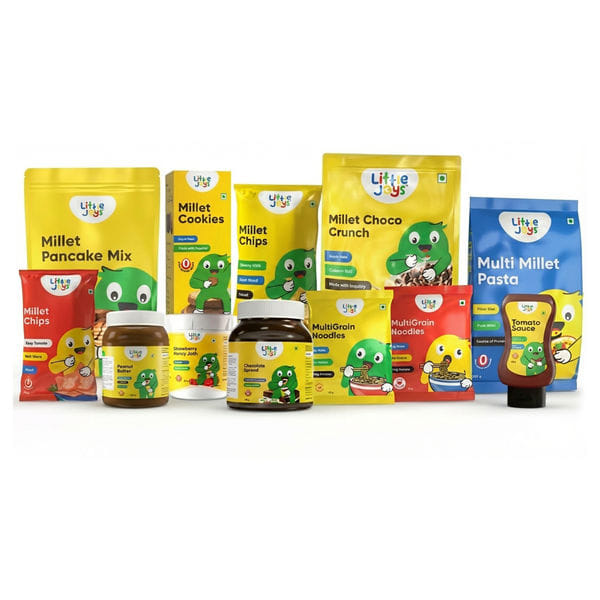
Failure 1: Refined Flour as the Primary Ingredient
The most common first ingredient in packaged children's snacks in India is maida (refined wheat flour) or corn flour. Both are processed to remove the bran and germ - where fibre, iron, zinc, and B vitamins are concentrated. What remains is primarily starch that digests quickly, raises blood glucose rapidly, and provides almost no micronutrient return.
Snacks built on refined flour provide calories without sustained satiety. Children are hungry again within 30-45 minutes, which drives more snacking and total calorie overconsumption without nutritional gain.
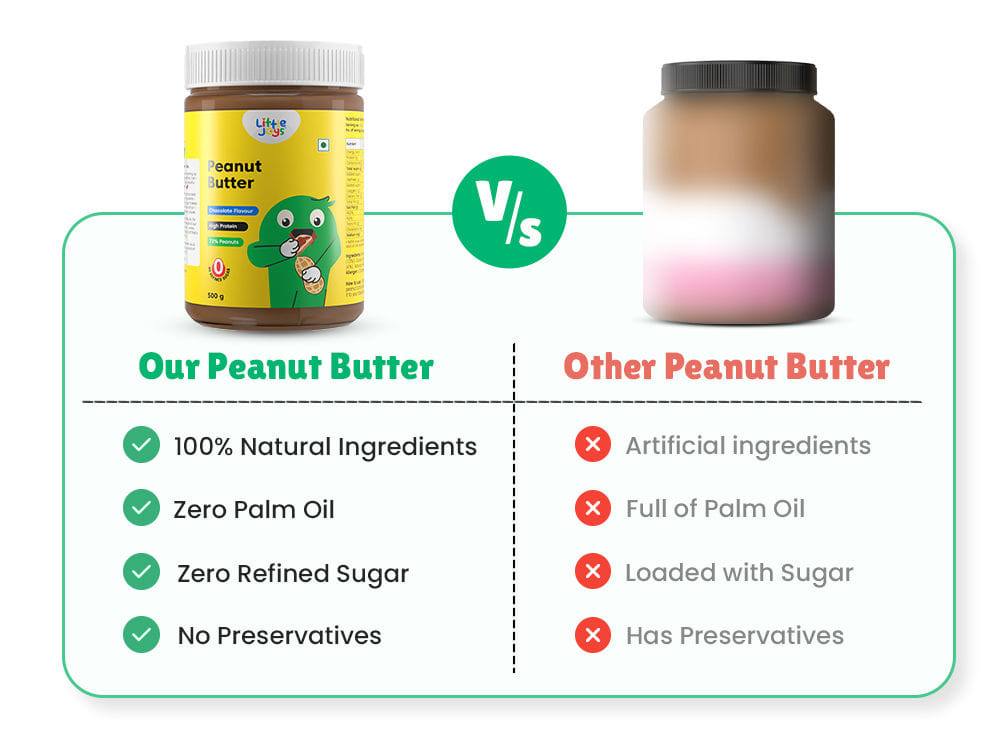
The alternative exists and is practical: ragi, bajra, oats, and whole wheat flour all provide fibre, minerals, and slower glucose release. Millet-based snacks at comparable price points are now available, making the refined flour default a choice rather than a necessity.
Failure 2: Refined Sugar in the Top Three Ingredients
Sugar appears in the first three ingredients in the majority of packaged children's snacks - including those marketed with health claims. The following are all forms of added sugar that count toward this check: sucrose, glucose syrup, corn syrup, fructose, dextrose, maltose, and fruit juice concentrate.
The practical impact: a child eating three packaged snacks daily from this category can exceed the WHO free sugar recommendation of 25g per day from snacks alone, before accounting for sugar in meals, flavoured milk, or drinks.
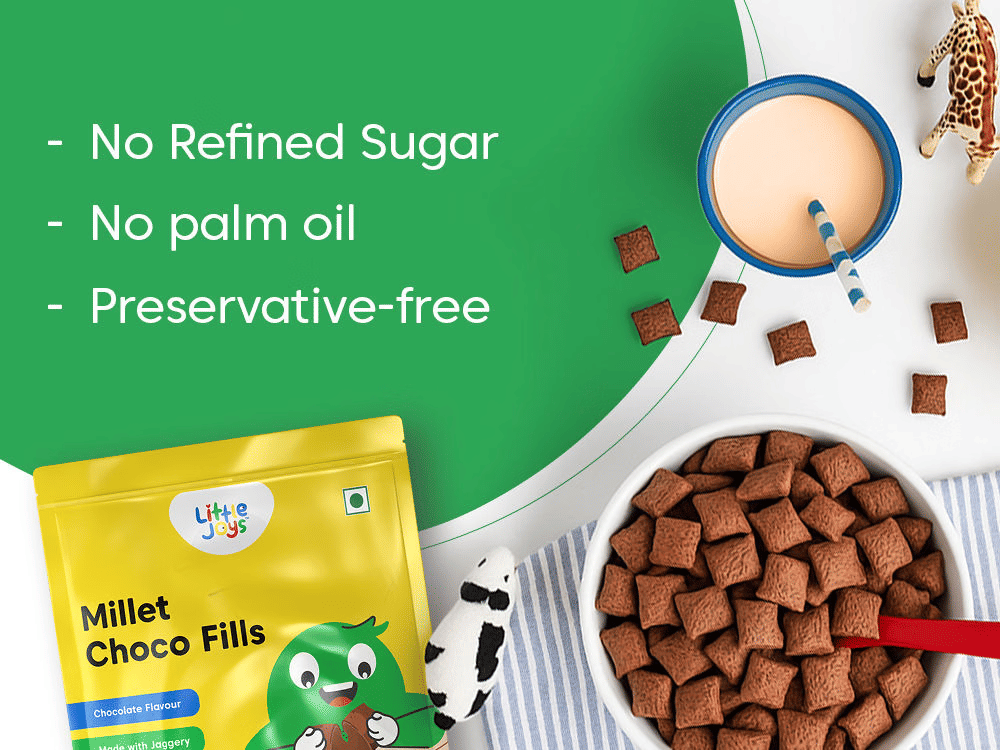
The more insidious effect is palatability calibration. Children whose snacks consistently taste very sweet build a taste baseline that makes less sweet - and naturally flavoured - foods taste bland and unacceptable. This palate narrowing makes future food variety harder to achieve.
Little Joys_44ud6k.jpg?tr=w-600)
Failure 3: Artificial Colours and Preservatives
Bright colours in packaged children's snacks are almost always artificial - synthetic dyes that have no nutritional function and exist only to make the product visually appealing to children. Sunset Yellow, Tartrazine, Carmoisine, and Allura Red are the most commonly used in Indian children's snacks. These are associated with hyperactivity increases in double-blind research in sensitive children.
Artificial preservatives (sodium benzoate, potassium sorbate) extend shelf life. In isolation, the risk from any single snack is low. The concern is accumulation across multiple daily packaged foods over years of childhood.
Little Joys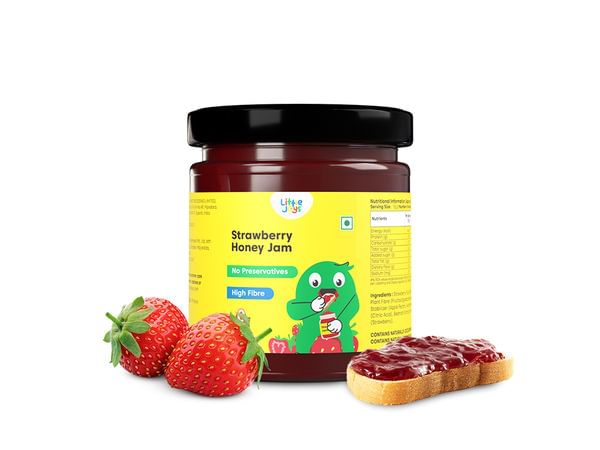
Failure 4: No Meaningful Protein or Fibre
A snack without protein or fibre does not sustain satiety - it provides temporary glucose elevation followed by a drop that leaves the child hungrier than before. Most packaged children's snacks provide under 2g of protein and under 1g of fibre per serving.
Snacks that genuinely pass this test include: almonds and walnuts (protein and healthy fat), curd (protein and probiotics), millet-based crunch snacks from whole grain bases, and natural nut spreads on roti (protein and complex carbohydrate together).
What Passing the Test Looks Like
A snack passes the nutrition test when it has a whole grain or nut as the first ingredient, under 3g added sugar per serving, no artificial colours or preservatives, and at least 3g of protein or 3g of fibre per serving. Products meeting all four criteria exist - they simply require label reading to find.
Little Joys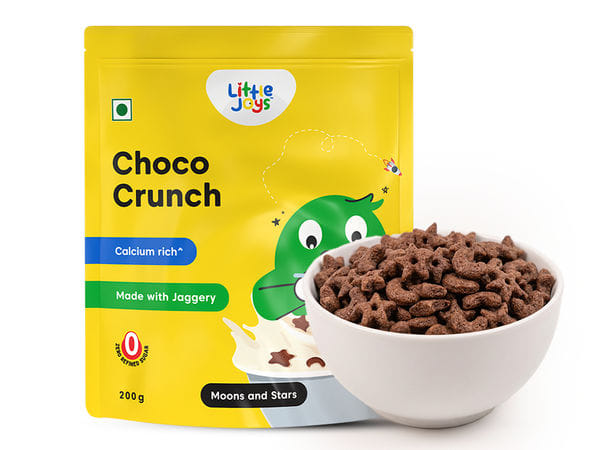
-> View Little Joys Millet Choco Crunch
FAQ
Q: Are snacks labelled "baked not fried" automatically healthier?
Not necessarily. Baking rather than frying reduces fat content but does not change the flour base, sugar content, or artificial additive profile. A baked maida biscuit with 20g sugar per 100g still fails the nutrition test regardless of the cooking method.
Q: How do I apply this framework quickly in a store?
Check the first ingredient (whole grain or not), then find added sugar in the nutrition panel. If the first ingredient is a whole grain and added sugar is under 3g per serving, the product passes the most important two checks. The colour and preservative check requires scanning the full ingredient list but takes under 30 seconds.