
What to Look For on a Kids' Snack Label
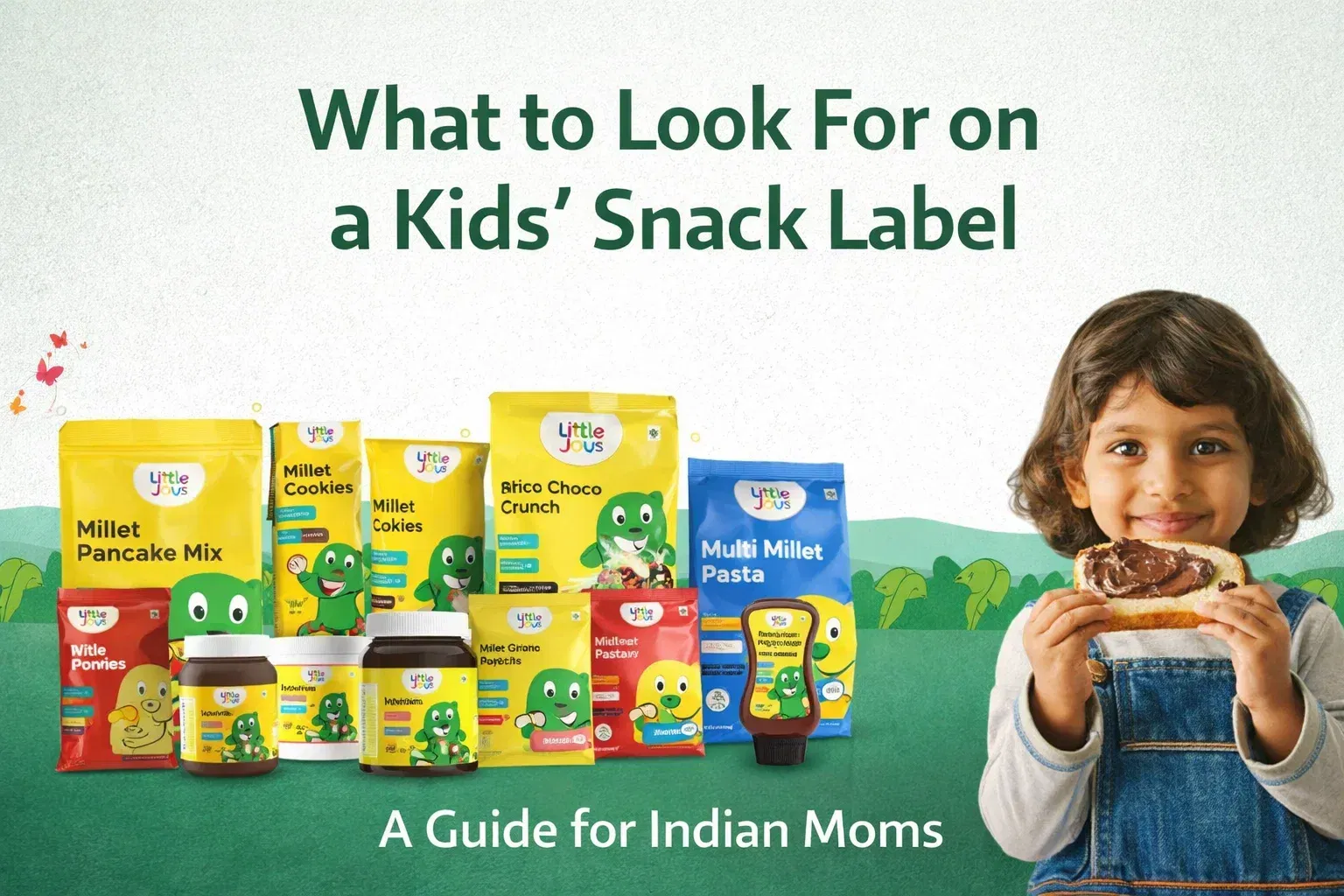
Before buying any snack for a child, check three things on the label: what the first ingredient is, how much added sugar is present, and whether artificial colours or preservatives are listed. These three checks take under 30 seconds and catch the vast majority of snacks that are marketed as healthy but are not.
 Team MosaicWellness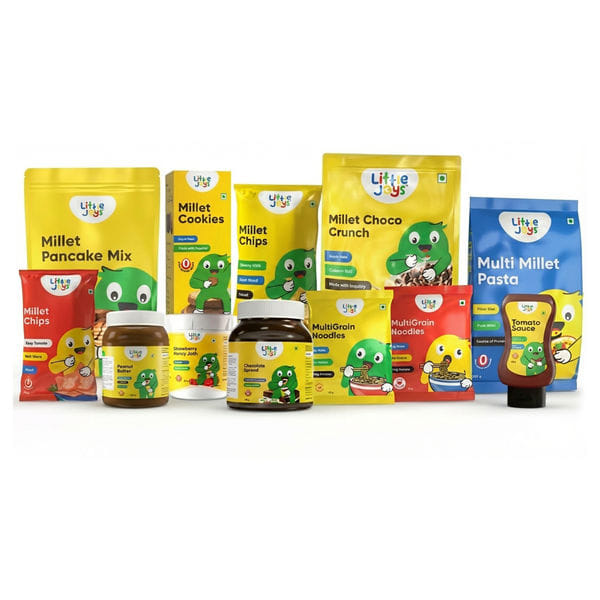
Check 1: The First Ingredient
Ingredients are listed in order of quantity - the first ingredient makes up the largest proportion of the product.
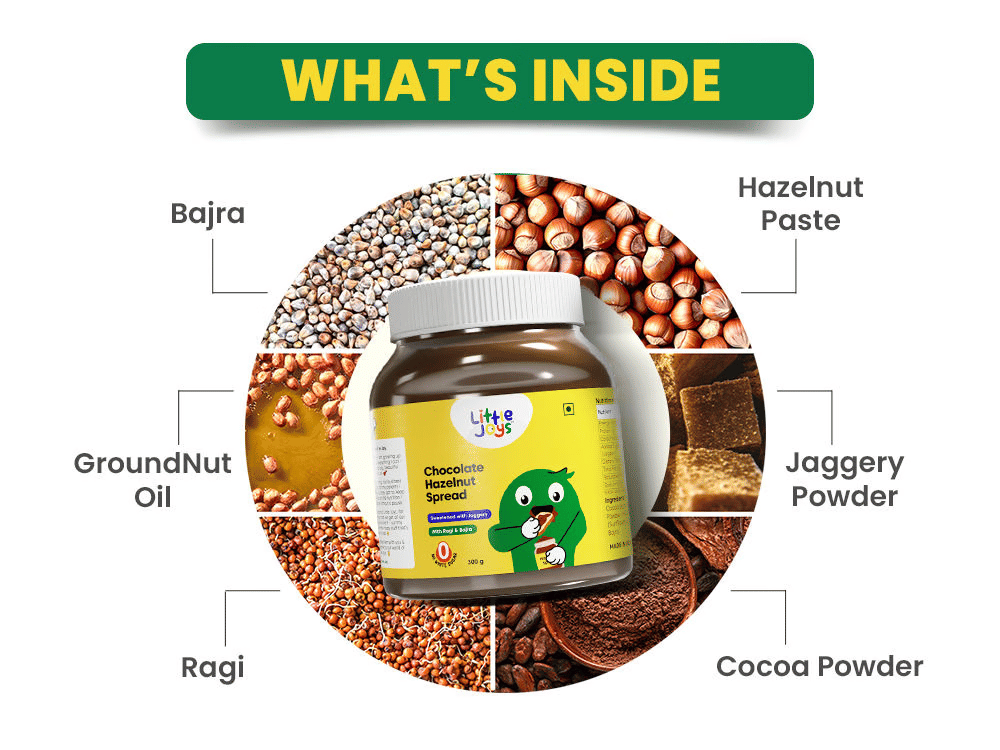
Good first ingredients: A whole grain (ragi, bajra, oats, whole wheat), a nut or legume (peanuts, almonds, moong), or a real fruit (strawberries, banana)
Poor first ingredients: Sugar, maida (refined wheat flour), glucose syrup, corn syrup, maltodextrin, or refined palm oil
Little Joys
A snack that leads with sugar or refined starch is primarily delivering those things - regardless of what health claims appear on the front of the pack.
Check 2: Added Sugar
Find the "Added Sugars" line in the nutrition panel. This is separate from total sugars and shows only what was deliberately added during manufacturing.
Target for daily snacks: Zero added sugar, or under 3g per serving from natural sweeteners
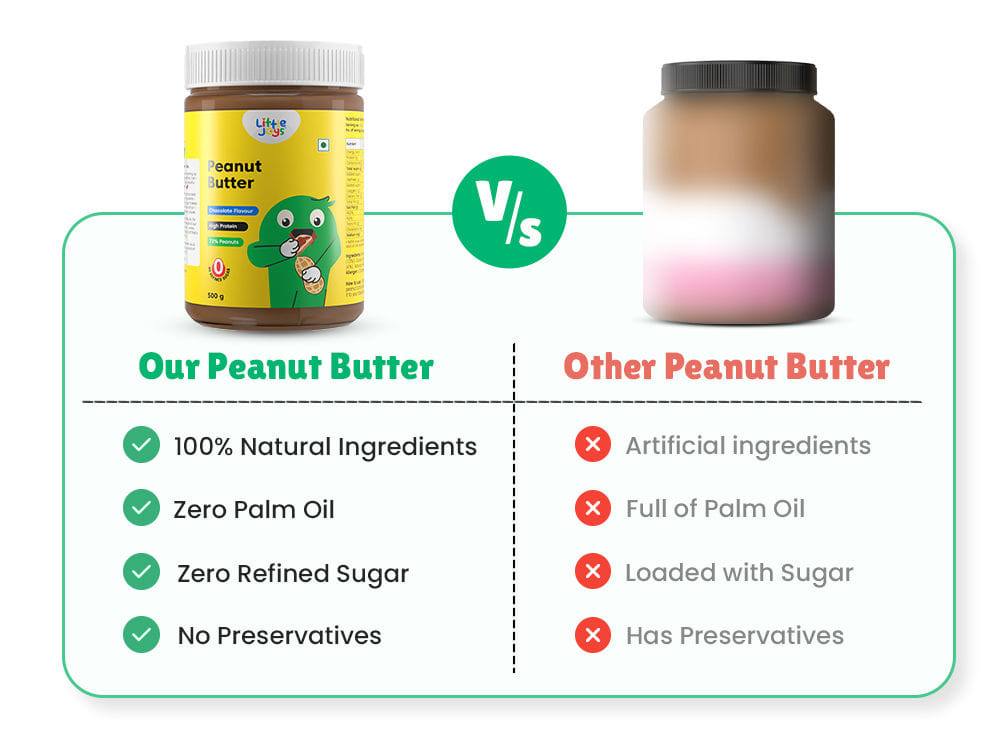
Red flags: More than 5g added sugar per serving in a product marketed for children. This is common in flavoured rice puffs, fruit snacks, granola bars, and biscuits labelled as "whole grain" or "multigrain" - the grain claim can be accurate while the product is still primarily sweetened.
For the full guide on label reading for supplements specifically, see How to Read a Kids' Supplement Label.
Check 3: Artificial Additives
For snacks consumed daily, check the ingredient list for:
Artificial colours: Sunset Yellow (E110), Tartrazine (E102), Allura Red (E129), Carmoisine (E122). These are synthetic dyes associated with increased hyperactivity in some children in controlled research.
Artificial preservatives: Sodium benzoate (E211), potassium sorbate (E202), BHA/BHT. These extend shelf life but accumulate with daily consumption across multiple packaged foods.
Hydrogenated vegetable oil: A source of trans fats. Still present in some Indian snack products despite being largely phased out globally.
A clean snack label lists recognisable ingredients - grains, nuts, fruit, natural flavouring, salt - with nothing requiring a number code to identify.
What Genuine Nutritional Value Looks Like on a Label
A snack worth buying shows:
- Whole grain in the first position with a stated grain percentage
- Protein from a real source (nuts, legumes) listed in the top five ingredients
- Fibre above 3g per 100g (from the grain base, not added isolated fibre)
- Natural flavouring from real ingredients
- Zero or minimal added sugar
For a broader framework on what makes any snack healthy - not just the label reading - see What Makes a Snack Healthy for Kids? Key Criteria.
FAQ
Q: Are "multigrain" or "whole grain" labels reliable?
Not automatically. A product can be labelled multigrain and contain five different refined grains with no meaningful fibre or mineral content. Look for the actual grain percentage and the fibre content per 100g rather than relying on front-of-pack claims.
Q: What does "no added preservatives" mean if the product has a 12-month shelf life?
It means preservation is achieved through other means - high sugar or salt content, low moisture, modified atmosphere packaging, or natural acidulants like vinegar or citric acid. High sugar content is the most common mechanism in children's snacks with long shelf lives.