
What Makes a Snack Healthy for Kids? Key Criteria
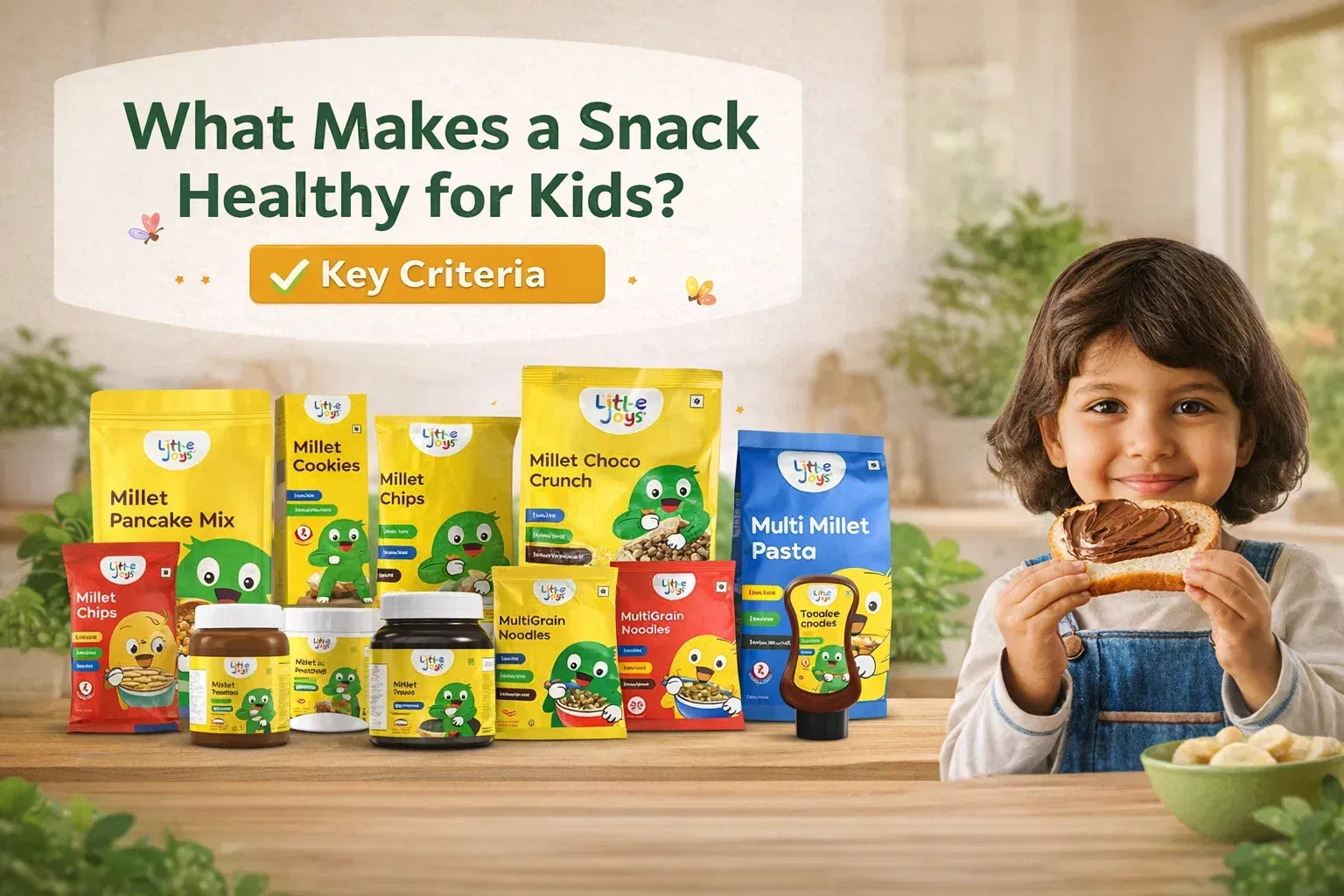
A healthy snack for children meets four criteria: it contains a meaningful nutrient (not just calories), it has no added refined sugar or minimal natural sweetener, it includes no artificial colours or preservatives, and the child will eat it. Products that fail any of these - especially the last one - are not useful regardless of their nutritional profile on paper.
 Team MosaicWellness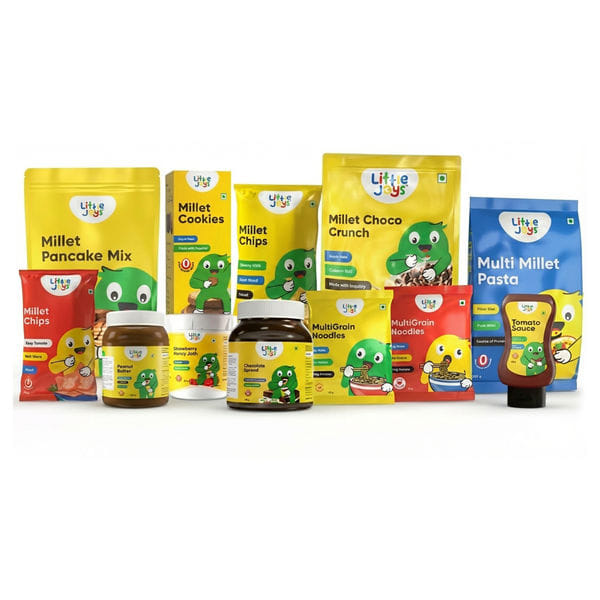
Here is how to apply each criterion when evaluating any snack.
Criterion 1: Meaningful Nutritional Return
Every snack should deliver at least one nutrient that contributes to a child's daily requirements - not just calories.
What counts:
- Protein (dal, nuts, eggs, paneer, curd)
- Complex carbohydrates with fibre (ragi, oats, bajra, whole grain crackers)
- Micronutrients (iron, calcium, zinc, Vitamin C)
- Healthy fats (almonds, walnuts, peanut butter)
What does not count as nutritional return:
- Calories from refined starch and sugar alone
- Synthetic vitamins added back to an otherwise poor base product
- "Natural flavours" listed without an actual functional ingredient
Criterion 2: No Added Refined Sugar (or Minimal Natural Sweetener)
Sugar is not inherently harmful in occasional use, but it becomes a problem when it appears in every daily snack. Children who eat refined sugar across biscuits, fruit drinks, flavoured yoghurt, and packaged snacks can easily exceed WHO recommendations (under 25g free sugar per day for children) before dinner.
The test: check the ingredient list. If sugar, glucose syrup, corn syrup, or fructose is in the first three ingredients, the product is primarily a sugar delivery mechanism regardless of its other claims.
Natural sweeteners (jaggery, dates, honey for children over 1) in secondary positions are acceptable - they sweeten with additional minerals rather than empty calories.
Little Joys
Criterion 3: Clean Ingredients
For a snack consumed daily, cumulative exposure to additives matters more than for occasional foods.
Check for absence of:
- Artificial colours (listed by name: Sunset Yellow, Tartrazine, Allura Red, Carmoisine)
- Artificial flavours (listed as "artificial flavouring" or "nature-identical flavouring")
- Artificial preservatives (sodium benzoate, potassium sorbate in daily snacks)
- Hydrogenated vegetable oils or palm oil as primary fat sources
A clean-label snack uses natural flavouring from real ingredients, natural preservation through appropriate moisture content or mild acidulants, and natural colour from the food itself.
Little Joys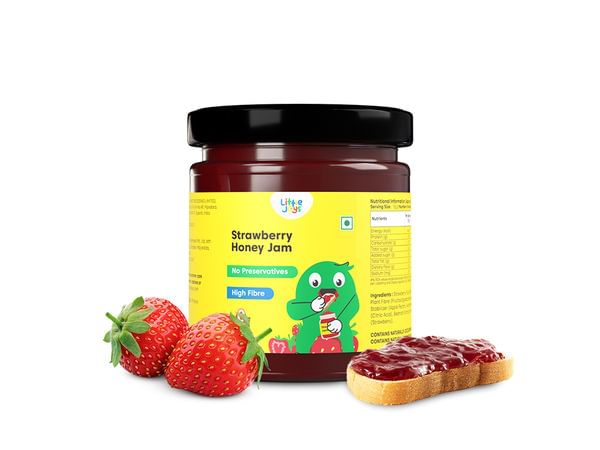
Criterion 4: The Child Eats It
A snack that meets criteria 1-3 perfectly but is refused and discarded daily is of no practical value. Palatability and nutritional quality are not in opposition when the right products are chosen.
Millet-based choco crunch snacks, natural chocolate nut spreads, millet pancakes with banana, and curd with fruit all combine genuine nutritional content with formats children enjoy. The goal is to find the overlap between what the child will eat and what is nutritionally meaningful - not to force nutritious foods that get thrown away.
Applying the Framework
A quick daily check: read the first three ingredients. If they are a whole grain, a nut or legume, or real fruit - the product is worth considering. If they are sugar, maida, or glucose syrup - it fails criterion 2 regardless of what else is on the label.
FAQ
Q: Are homemade snacks always better than packaged ones?
Homemade snacks can be excellent, but not automatically. A homemade ladoo made with jaggery and ragi meets all four criteria. A homemade biscuit made with maida and sugar fails criteria 1 and 2. Packaged products that meet the criteria are equally valid and often more practical for busy families.
Q: How many snacks per day is appropriate?
Two structured snack times - mid-morning and after school - covers most children's needs. Grazing on small quantities throughout the day is less beneficial nutritionally and makes it harder to apply the framework to each eating occasion.