
Turmeric (Haldi) for Kids: Benefits and Safe Ways to Use It
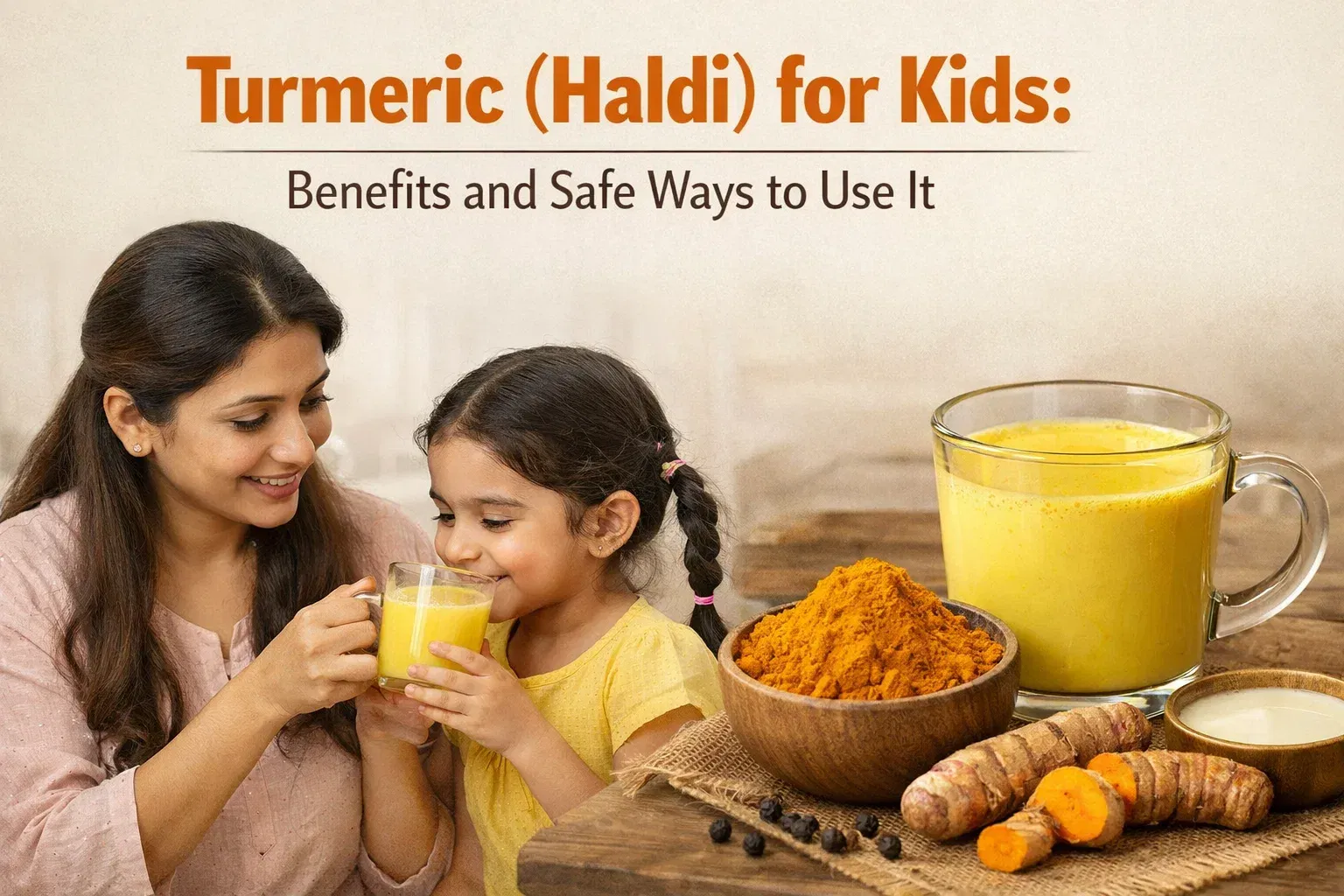
Haldi has been a fixture in Indian kitchens - and Indian medicine - for thousands of years. But most parents don't know how much their child actually needs, how to use it effectively, or whether supplements deliver it better than food.
Here's a practical, evidence-grounded look at turmeric for children.
What Curcumin (the Active Compound in Haldi) Actually Does
Turmeric's benefits come almost entirely from curcumin - its primary active compound. Here's what it does in the body:
Anti-inflammatory: Curcumin blocks the signalling pathways that trigger chronic inflammation. In children, this means quicker recovery from illness and reduced frequency of inflammatory conditions like recurrent coughs and allergies.
 Little Joys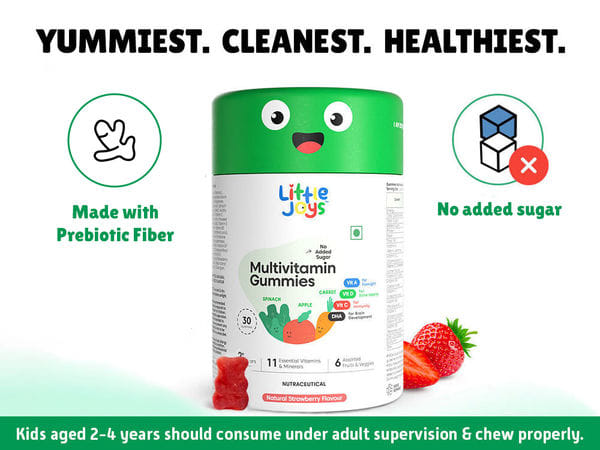
Antioxidant: It neutralises free radicals that damage cells during infection, exercise, or exposure to pollution. Children in urban environments benefit significantly from this protection.
Antimicrobial: Curcumin has demonstrated activity against several bacteria and viruses in research settings. It works best as a complementary support - not a replacement for medical treatment.
Immune modulation: Rather than simply "boosting" immunity, curcumin helps the immune system calibrate correctly - reducing overreaction (allergies, inflammation) while still mounting effective responses to genuine threats.
Is Haldi Safe for Children?
Yes - turmeric used in cooking is completely safe for children from a young age. The amounts used in Indian food (a pinch to half a teaspoon in a whole dish) are well within safe limits for all ages.
For curcumin in supplements, look for age-appropriate dosing. The amounts found in quality children's multivitamins are standardised to be safe and effective for the target age group.
Two things to avoid:
- High-dose standalone curcumin supplements - these are designed for adults and are inappropriate for young children
- Products that use black pepper extract (piperine) to enhance absorption - while effective in adults, high-piperine products aren't well studied for long-term use in children
The Absorption Problem and How to Solve It
This is the most important thing most parents don't know: raw turmeric powder has very low bioavailability. The body absorbs only a small fraction of the curcumin it contains.
Little JoysAbsorption improves significantly when:
- Combined with a small amount of fat (ghee, coconut oil, or whole milk)
- Consumed with black pepper - though as noted, not ideal in large amounts for children
- Delivered as a standardised curcumin extract in supplement form
This is why haldi milk (turmeric + warm milk + a small amount of ghee) has been used traditionally - the fat in the milk genuinely does improve how well the body uses the curcumin.
Practical Ways to Include Haldi in Your Child's Daily Diet
Haldi doodh (turmeric milk) Warm milk with a pinch of haldi and a small amount of ghee. Half a teaspoon of turmeric per glass is enough. Add a little jaggery for sweetness if needed. This is the most bioavailable food-based delivery method.
In dal and sabzi Most Indian cooking already includes haldi this passive daily exposure is meaningful and accumulates. Ensure it's cooked in a small amount of oil or ghee for better absorption.
In rice or khichdi A pinch while cooking adds colour and a mild dose without any detectable flavour. Good for children who resist the taste of haldi directly.
Scrambled eggs with haldi The fat in the egg yolk enhances curcumin absorption. A pinch of haldi in scrambled eggs is one of the most absorption-efficient ways to serve it to children.
When a Supplement Makes More Sense
For children who need consistent, measurable curcumin intake beyond what daily cooking provides - or for picky eaters who don't eat dal and sabzi reliably - a supplement ensures the dose is consistent every day.
Little Joys Multivitamin Gummies include curcumin (from haldi) alongside Vitamin C, Zinc, B12, and Vitamin D3 - all in a single daily gummy. The curcumin is delivered in a standardised extract form within a chicory root fibre base, with no added sugar and no artificial colours or preservatives. Third-party tested. Suitable from age 2.
The advantage of this combination is that Vitamin C and zinc in the same gummy address immunity from multiple pathways simultaneously - rather than curcumin working in isolation.
→ View Little Joys Multivitamin Gummies
Little JoysFAQ
At what age can children start eating turmeric?
Turmeric in cooking is safe from weaning age (around 6 months). A pinch in dal or khichdi is completely appropriate. Supplement forms should follow the product's stated age guidance.
How much haldi should a child have per day?
For cooking: a pinch to half a teaspoon across meals is appropriate. For supplements: follow the age-specific dosage on the product label.
Does haldi help with coughs and colds in children?
Curcumin's anti-inflammatory and antimicrobial properties do provide supportive benefits during respiratory illness. Haldi milk is a well-documented traditional remedy with a reasonable evidence base. It's supportive, not curative.
Can too much turmeric be harmful to children?
Cooking quantities are not a concern. Very high doses of curcumin supplements (designed for adults) are not appropriate for children and should be avoided.