
Tips to Avoid Junk Food Habits in Children
Junk food habits in children form through repeated exposure, high palatability, and the availability gap between what is convenient and what is nutritious. Preventing them requires addressing all three: limiting exposure, building acceptance of better alternatives, and making nutritious options as accessible as packaged snacks. None of this requires perfection - consistent small decisions over months are more effective than rigid rules that collapse under pressure.
 Team MosaicWellness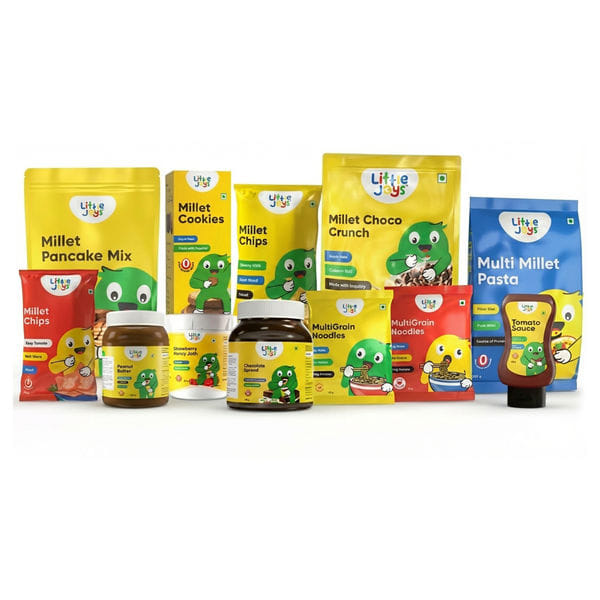
Why Junk Food Habits Form Early
Children are biologically primed to prefer high-sugar, high-fat, and high-salt foods. These preferences are evolutionary - calorie-dense foods were survival advantages for most of human history. The problem in modern environments is that the supply of these foods is unlimited and the palatability is engineered to be addictive.
Habit formation in children is also faster than in adults. A food eaten at snack time repeatedly for 2-3 weeks becomes the expected food for that time slot. The same process works in reverse - a nutritious snack offered consistently in the same slot builds an equally strong expectation over the same period.
Practical Tips That Work
1. Control the home environment, not the child
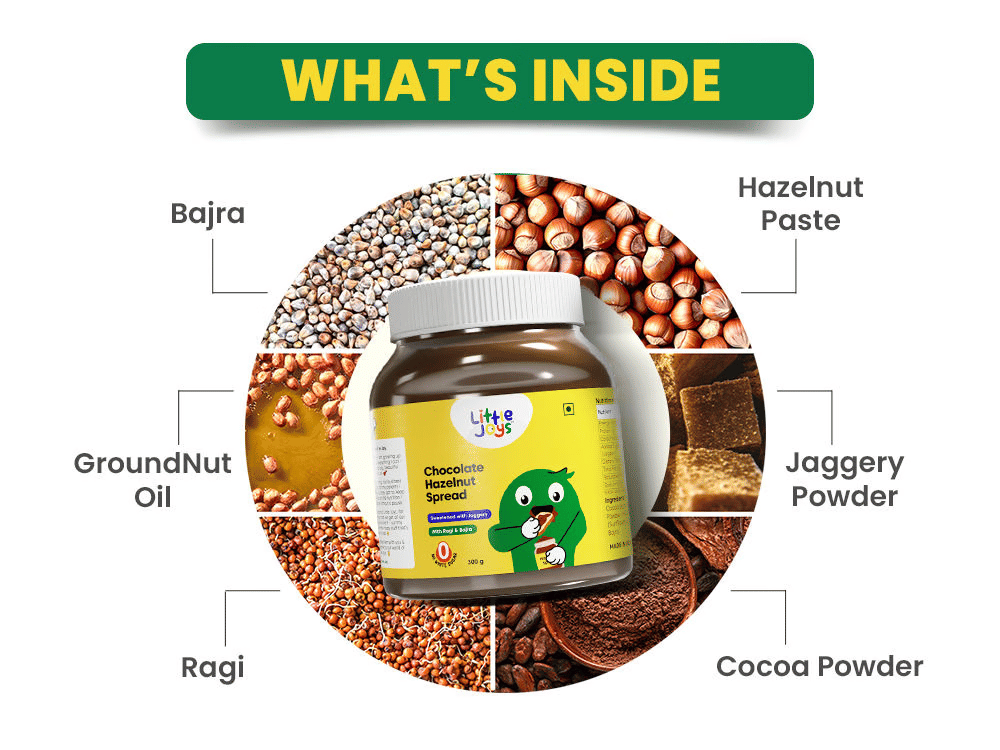
Children eat what is available. If the home contains chips, biscuits, and sweetened drinks as the default accessible snacks, children will eat those regardless of rules. If the accessible options are fruit, curd, almonds, millet snacks, and natural nut spreads on roti, children will eat those. The decision point is at the grocery store, not at snack time.
Little Joys
2. Avoid using junk food as reward or comfort
"Finish your vegetables and you can have chips" positions vegetables as punishment and chips as reward. This reliably strengthens the preference for the reward food. Offering a genuinely tasty but nutritious snack as the treat - millet choco crunch, chocolate nut spread on roti, a ragi ladoo with jaggery - satisfies the social function of a treat without the nutritional displacement.
3. Make the healthy alternative as convenient as the junk option
The primary advantage packaged junk food has over nutritious alternatives is convenience. Countering this requires preparation: a bowl of mixed almonds and dates on the counter, cut fruit in the fridge at eye level, millet pancakes prepared the morning before and available at snack time. The snack that requires no effort to access is the snack that gets eaten.
4. Repeated neutral exposure, not pressure
Children who are pressured to eat new healthy foods develop negative associations with those foods. Offering a new nutritious snack alongside an accepted food - without comment on whether it is eaten - and repeating this 10-15 times typically produces acceptance. The absence of pressure is the active ingredient.
5. Model the eating pattern you want
Children's eating habits are shaped more by what they observe parents eating than by what they are told to eat. A parent who snacks on chips while offering fruit to the child creates a preference hierarchy the child understands clearly. Eating the nutritious snack alongside the child, without commentary, is the most effective long-term modelling approach.
6. Read labels together from age 5-6
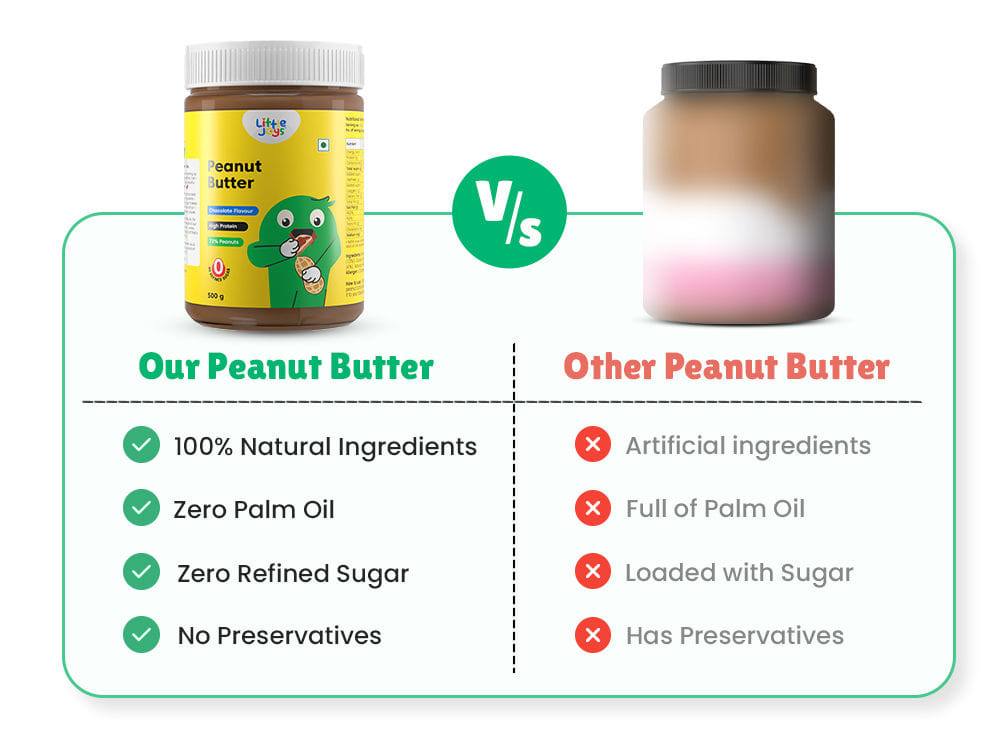
Children who understand why certain foods are unsuitable develop internal reasoning for making better choices outside the home. Showing a child how to find the "added sugar" number on a label, and explaining simply what it means, builds a habit of checking that eventually becomes automatic.
FAQ
Q: My child only eats junk food at birthday parties and social occasions - should I restrict this?
Occasional consumption at social events is not where junk food habits form. Habits form from daily patterns at home. Allowing social occasion flexibility while maintaining the home environment removes the forbidden-fruit dynamic that makes restricted foods more desirable. Children who have unrestricted home access to nutritious alternatives are less likely to overeat junk food when it appears socially.
Q: At what age do children become capable of making their own food decisions?
Nutritional decision-making develops through mid-adolescence. Before age 12, the primary responsibility is the food environment parents create. Between 12-16, gradually increasing choice within a nutritious default environment produces better long-term outcomes than either full restriction or full freedom.