
Protein Powder for Kids: Complete Safety Guide for Indian Parents
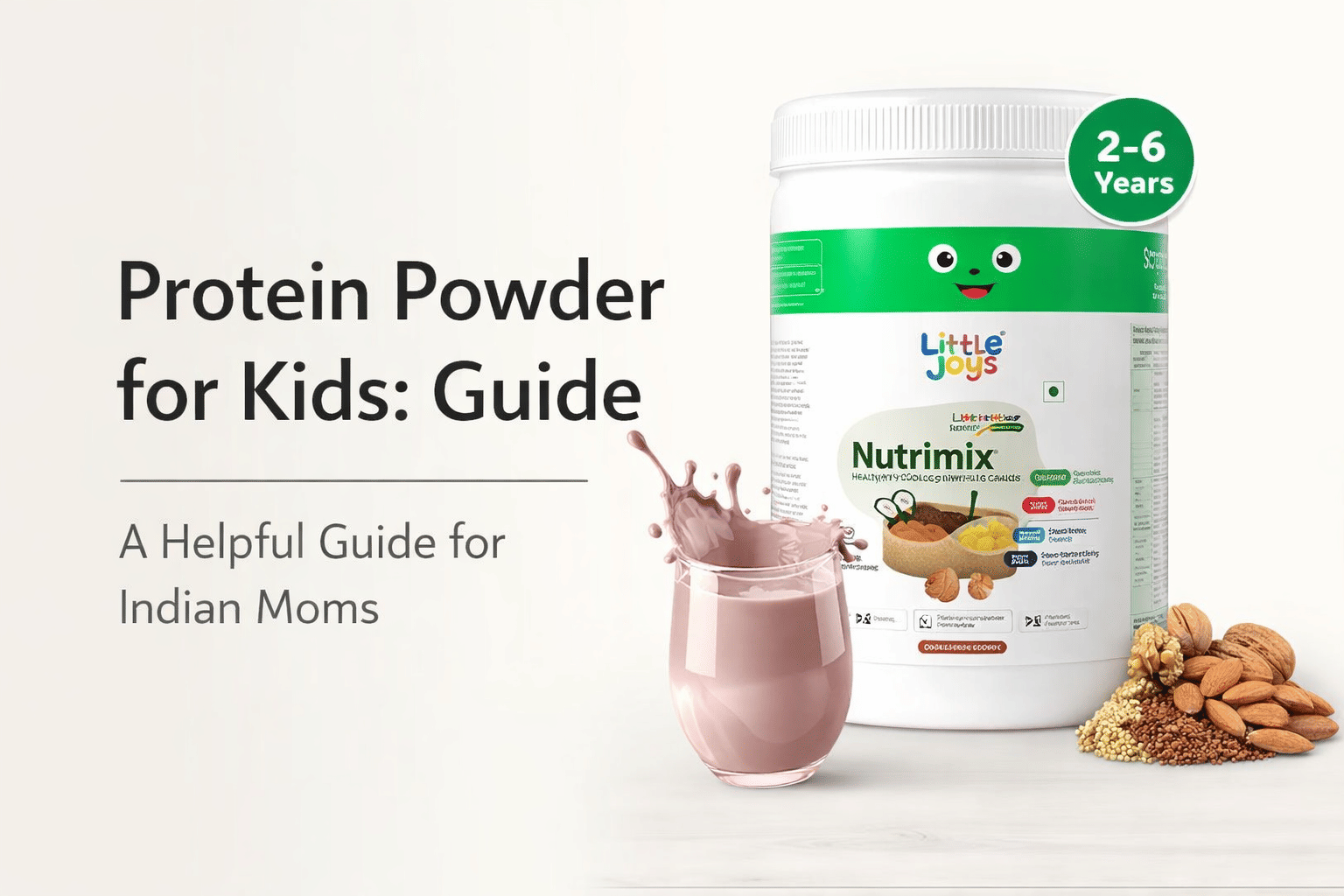
Protein powder are safe for kids 7+ when chosen carefully. Most children don't need isolated protein-balanced nutrition powders like Little Joys Nutrimix provide appropriate protein alongside vitamins and minerals. Avoid adult bodybuilding products and excessive protein supplementation.
Introduction
"Should I give my child protein powder?" appears in every Indian parenting group, met with conflicting opinions. Some swear by it for picky eaters, others fear kidney damage.
The truth? Most kids don't need isolated protein powder-but some benefit from balanced supplementation.
This guide addresses when protein supplementation makes sense, safety concerns by age, and how to identify quality products versus marketing gimmicks. With brands like Little Joys Nutrimix offering balanced, plant-based nutrition, we'll explore what separates safe supplementation from unnecessary or risky products.
Do Kids Need Protein Powder?
When Do Kids Actually Need Protein Supplementation?
Most don't.
Daily Protein Requirements:
- Ages 2-3: 13g (1 cup milk + 1 egg + 2 tbsp dal)
- Ages 4-6: 19g (1.5 cups milk + 1 roti + small paneer piece)
- Ages 7-10: 28g (2 cups milk + 1 egg + 1 bowl dal)
- Ages 11-14: 42-46g (2 cups milk + 100g paneer + 2 eggs)
When Whole Foods Are Sufficient: Child eats variety including dairy, pulses, eggs, nuts, or meat; maintains normal growth curve; has good appetite; isn't a competitive athlete.
If you're concerned about your child's growth patterns, our guide on healthy weight expectations for kids helps you understand normal versus concerning weight trends.
When Supplementation Might Help:
- Severe picky eating: Refuses most protein sources for months - see our strategies for expanding picky eaters' food acceptance before turning to supplements
- Vegetarian/vegan diets with limited variety
- Medical conditions affecting absorption (under doctor guidance)
- Competitive sports with intensive training 5+ times weekly (ages 10+)
- Diagnosed protein deficiency via blood tests
Expert Perspective: Pediatric nutritionists note that in 15+ years of practice, they see more kids consuming excess protein than those truly deficient. Indian diets with dal, milk, and grains typically provide adequate protein for normal growth.
Little Joys Difference: Unlike pure protein powders, Little Joys Nutrimix provides balanced nutrition-protein plus vitamins, minerals, and fiber-designed for complete support rather than isolated protein overload.
Safety Concerns Addressed
Is Protein Powder Safe for Kids? Every Parent's Worry Answered
1. Kidney Strain (Biggest Fear):
- The Concern: Excess protein damages developing kidneys
- The Reality: Healthy kidneys handle moderate protein increases
- Actual Risk: Excessive protein (>2x daily needs) with poor hydration
- Safe Practice: Age-appropriate amounts, high water intake
2. Early Puberty/Hormonal Issues:
- The Concern: Protein powder causes early development
- The Reality: No evidence links plant-based protein to hormonal changes
- Actual Risk: Adult bodybuilding supplements with undisclosed steroids/hormones
- Safe Practice: Choose kids-specific, tested products only
3. Digestive Problems:
- Common Issues: Bloating, constipation, stomach pain
- Causes: Whey protein (lactose), high concentration, artificial additives
- Solutions: Start small, choose plant-based, ensure fiber intake
4. Nutritional Imbalance:
- The Problem: Protein powder reduces appetite for whole foods
- The Risk: Missing nutrients only complete foods provide
- Prevention: Use as supplement, not meal replacement
Age-Specific Safety:
Ages 2-6: Generally NOT recommended as isolated protein powder. Balanced formulas (like Nutrimix) acceptable with pediatrician approval for picky eaters.
Ages 7-12: Can be appropriate for specific needs. Maximum 10-15g supplemental protein daily. Best form: Complete nutrition, not isolated protein.
Ages 13+: More flexibility for athletes, but still avoid bodybuilding formulas.
Little Joys Safety Profile: Nutrimix contains 5-9g protein per serving (age-dependent), combined with vitamins, minerals, fiber-complementing diet rather than overloading with isolated protein.
Choosing Safe Protein Products
How to Choose Safe Protein Powder for Kids
LOOK FOR:
- Plant-based proteins (pea, brown rice, hemp)
- Natural sweeteners (jaggery, dates, stevia)
- Added fiber for digestion
- Age-appropriate labeling
- Third-party testing (FSSAI, ISO)
- Complete nutrition (vitamins + minerals alongside protein)
- Transparent ingredient lists
AVOID:
- Artificial sweeteners (sucralose, aspartame)
- Refined sugar as first ingredients
- "Proprietary blends" hiding amounts
- Bodybuilding marketing ("muscle gain," "mass gainer")
- Artificial colors
- High maltodextrin
- No age specification
- Unrealistic claims ("guaranteed height increase")
Brand Comparison:
Little Joys Advantage: Only refined sugar-free option using jaggery sweetening. Blended plant proteins (pea, rice, soy) create complete amino acid profiles. Chicory root fiber prevents digestive issues common with protein supplementation.
Natural Food Alternatives
Food-First: Natural Protein Sources for Indian Kids
Before considering powder, maximize these protein-rich Indian foods:
High-Protein Options Kids Actually Like:
- Dal variations: Mix 2-3 lentils (1 cup = 18g protein)
- Paneer dishes: Tikka, paratha (100g = 18g protein)
- Eggs: Bhurji, boiled (1 egg = 6g protein)
- Milk-based: Lassi, smoothies (1 cup = 8g protein)
- Nut butters: Peanut/almond on bread (2 tbsp = 7-8g)
- Chickpeas: Chana chaat (1 cup = 15g)
- Yogurt: Raita, curd rice (1 cup = 10g)
Protein-Boosting Hacks:
- Add milk powder to dal, kheer
- Blend tofu into smoothies (tasteless, protein-rich)
- Mix ground nuts into roti dough
When these efforts don't meet needs, balanced powders like Little Joys Nutrimix bridge gaps while you continue encouraging whole food consumption.
Common Questions About Protein Powder for Kids
At what age can I start protein powder?
Most experts recommend 7+ for isolated protein. Ages 2-6 can use balanced nutrition powders like Little Joys Nutrimix if pediatrician-approved.
How much protein powder daily?
Ages 7-10: maximum 10-15g supplemental. Ages 11-14: maximum 15-20g. This adds to food protein, not replaces it.
Can protein powder make kids grow taller?
No. Height is 60-80% genetic. Adequate protein helps reach genetic potential but doesn't exceed it. Excess protein doesn't accelerate growth.
Is plant-based as good as whey?
Yes, when blended properly (pea + rice + soy). Benefits: easier digestion, no lactose issues. Little Joys uses complete plant protein blends for optimal amino acid profiles.
Making Safe Protein Choices for Your Child
Protein powder can help when used appropriately-but it's not necessary for every child. Prioritize improving dietary protein through whole foods first.
If supplementation is needed, choose balanced formulations like Little Joys Nutrimix-refined sugar-free, plant-based nutrition providing protein alongside vitamins, minerals, and fiber. Designed specifically for Indian kids' needs without excessive supplementation risks.
Remember: your child's overall diet, activity level, and he[[althy habits matter far more than any supplement.