
Mixed Berry Jam for Kids: Nutrition and Uses
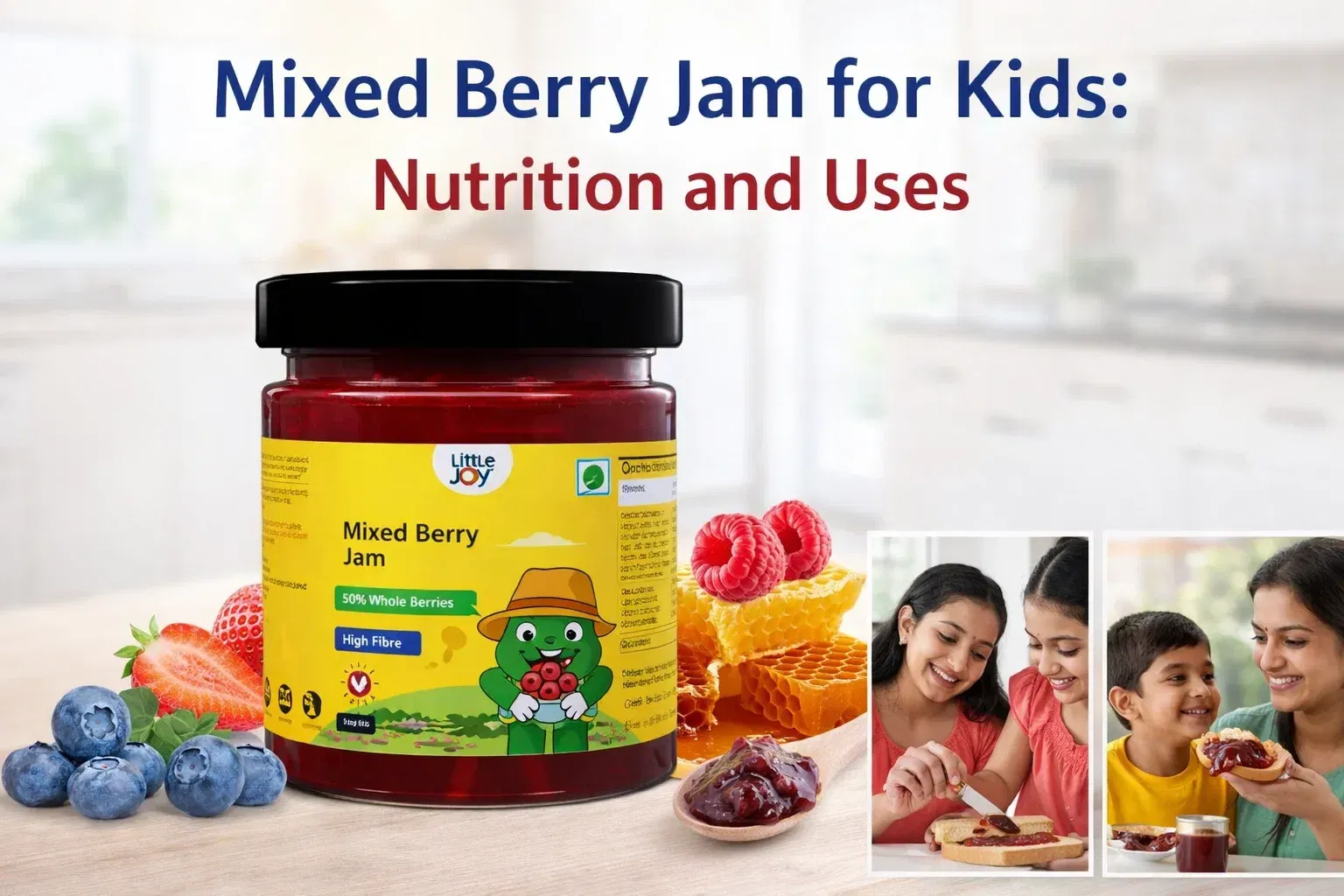
A mixed berry jam made with real fruit and no refined sugar provides Vitamin C, anthocyanins, and natural sweetness in a format children accept readily. Berries - strawberry, blueberry, raspberry, blackberry - are among the most antioxidant-dense fruits available, and combining them creates a broader range of protective plant compounds than any single berry alone.
 Little Joys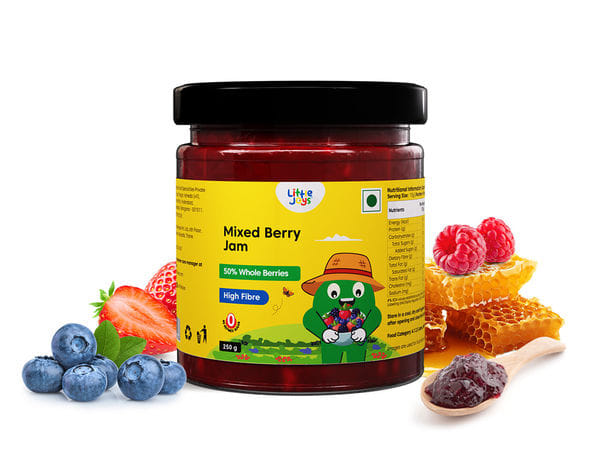
The nutritional value depends entirely on what is in it. A jam made primarily of sugar with berry flavouring delivers none of this. A jam made primarily of real fruit, sweetened with honey or jaggery, does.
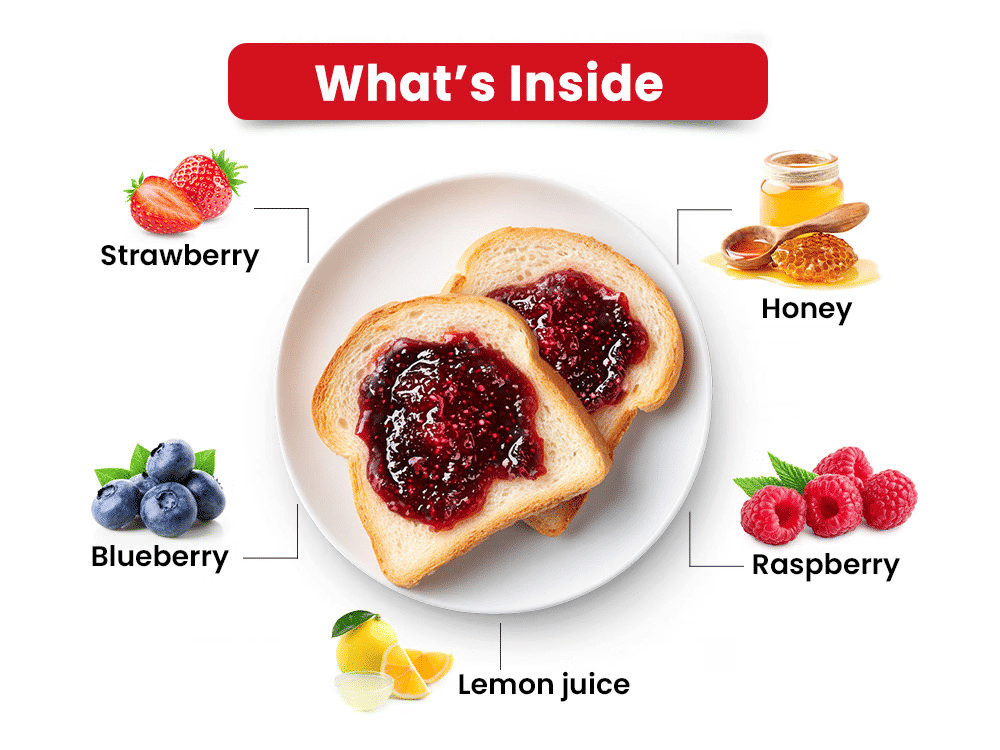
What Berries Contribute Nutritionally
Anthocyanins - the pigments responsible for the deep red, purple, and blue colours in berries. These are flavonoid antioxidants with well-documented anti-inflammatory properties. Children with high anthocyanin intake from berries show better cognitive performance and lower oxidative stress markers in dietary research.
Vitamin C - present in meaningful amounts across all berries. Strawberries provide approximately 60 mg per 100g. Blackcurrants provide over 180 mg per 100g - one of the richest natural sources available. Even in jam form (where heat reduces Vitamin C by 30-50%), real-fruit high-berry jams contribute to daily Vitamin C intake.
Ellagic acid and quercetin - present in strawberry and raspberry respectively. These polyphenols protect cells from oxidative damage and have mild antimicrobial properties that complement immune function.
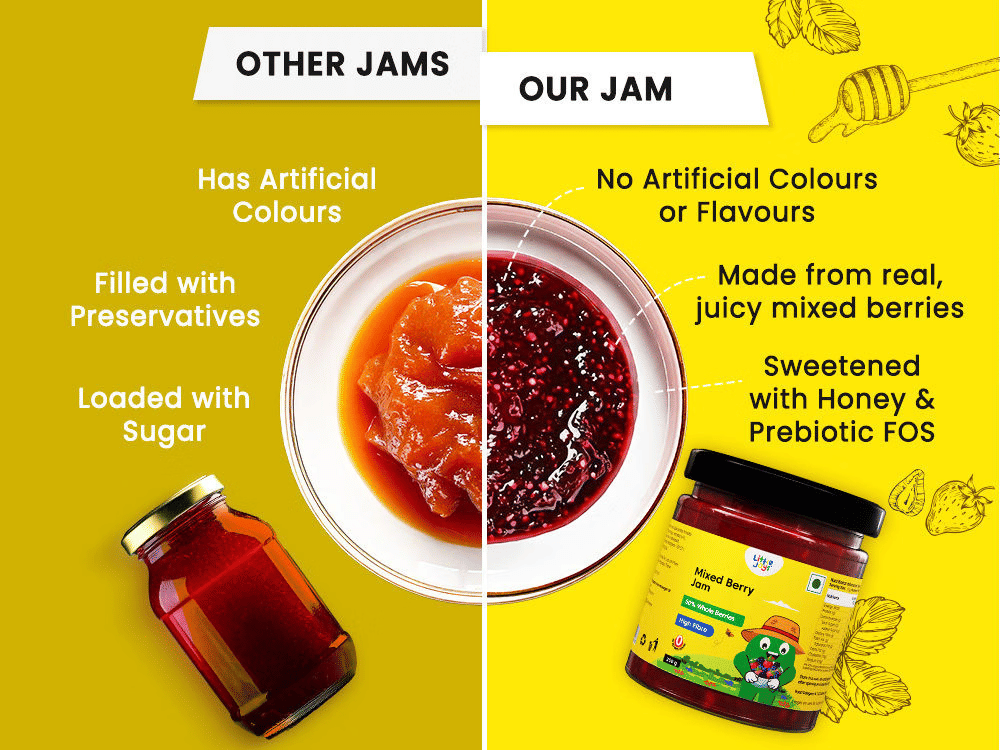
Little Joys Mixed Berry Jam
Little Joys Mixed Berry Jam uses real mixed berries as the primary ingredient, sweetened naturally with no added refined sugar. The combination of fruit varieties delivers a broader antioxidant profile than single-berry jams.
Little JoysFor the full guide on what makes a healthy jam for children, including label-reading criteria that apply to any jam, see What Is a Healthy Jam for Kids?
-> View Little Joys Mixed Berry Jam
Practical Uses in Children's Meals
On roti or whole grain bread - a thin spread alongside a protein source (peanut butter, paneer, curd) makes a nutritionally complete snack. The berry flavour is more complex than plain strawberry and accepted by children from age 2.
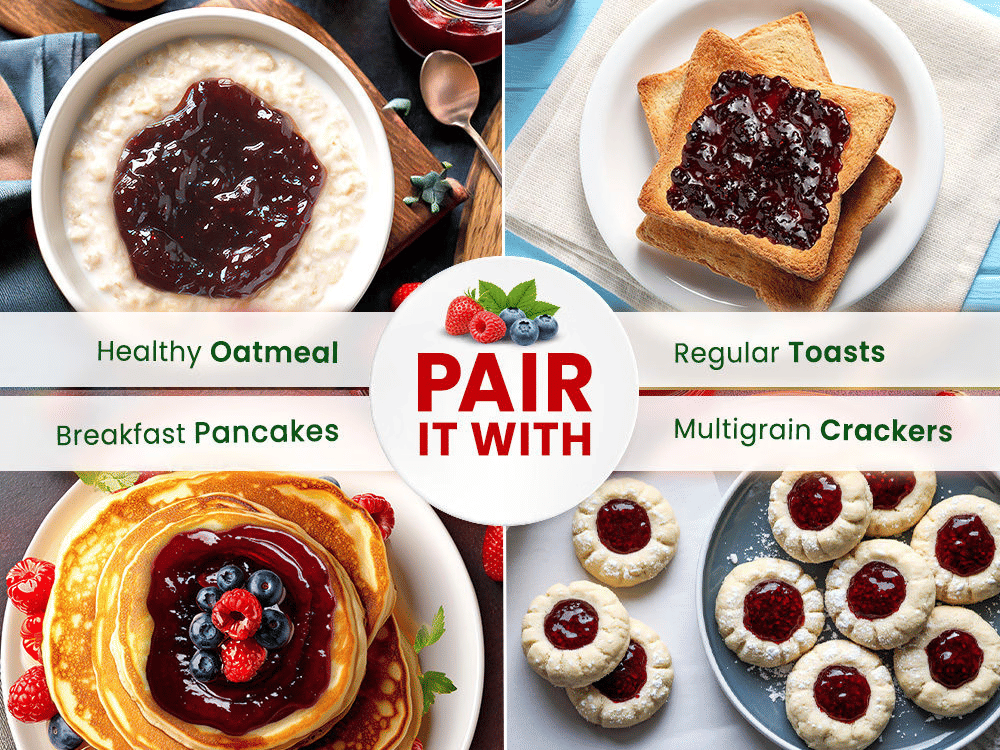
Stirred into plain curd - one teaspoon of mixed berry jam stirred into curd creates a naturally sweetened fruit curd. The probiotic benefit of the curd is maintained, and the anthocyanins from the jam add antioxidant value to the snack.
On millet pancakes - the berry flavour pairs well with the neutral base of ragi and bajra pancakes. A natural alternative to refined sugar syrups on pancake morning.
In smoothies - one teaspoon blended with banana, curd, and milk adds colour, flavour, and antioxidants without the need for separate fresh fruit.
FAQ
Q: Is mixed berry jam more nutritious than single-berry jam?
A mix of berry varieties provides a broader range of polyphenols and antioxidants than any single berry - each variety has a different dominant flavonoid profile. In practical terms, the difference is modest but real. The more important factor is whether the jam is primarily real fruit or primarily sugar, regardless of which berries are used.
Q: How much mixed berry jam is appropriate per day for a child?
1-2 teaspoons (5-10g) per serving, as with any jam. This provides flavour, colour, and a modest antioxidant contribution without adding significant sugar load. The priority is that the jam is made from real fruit with natural sweetener - at 1-2 teaspoon serving sizes, the distinction matters less than the ingredient quality.