
Building Strong Foundations: Math & Reading Tips for 6–9 Year Olds
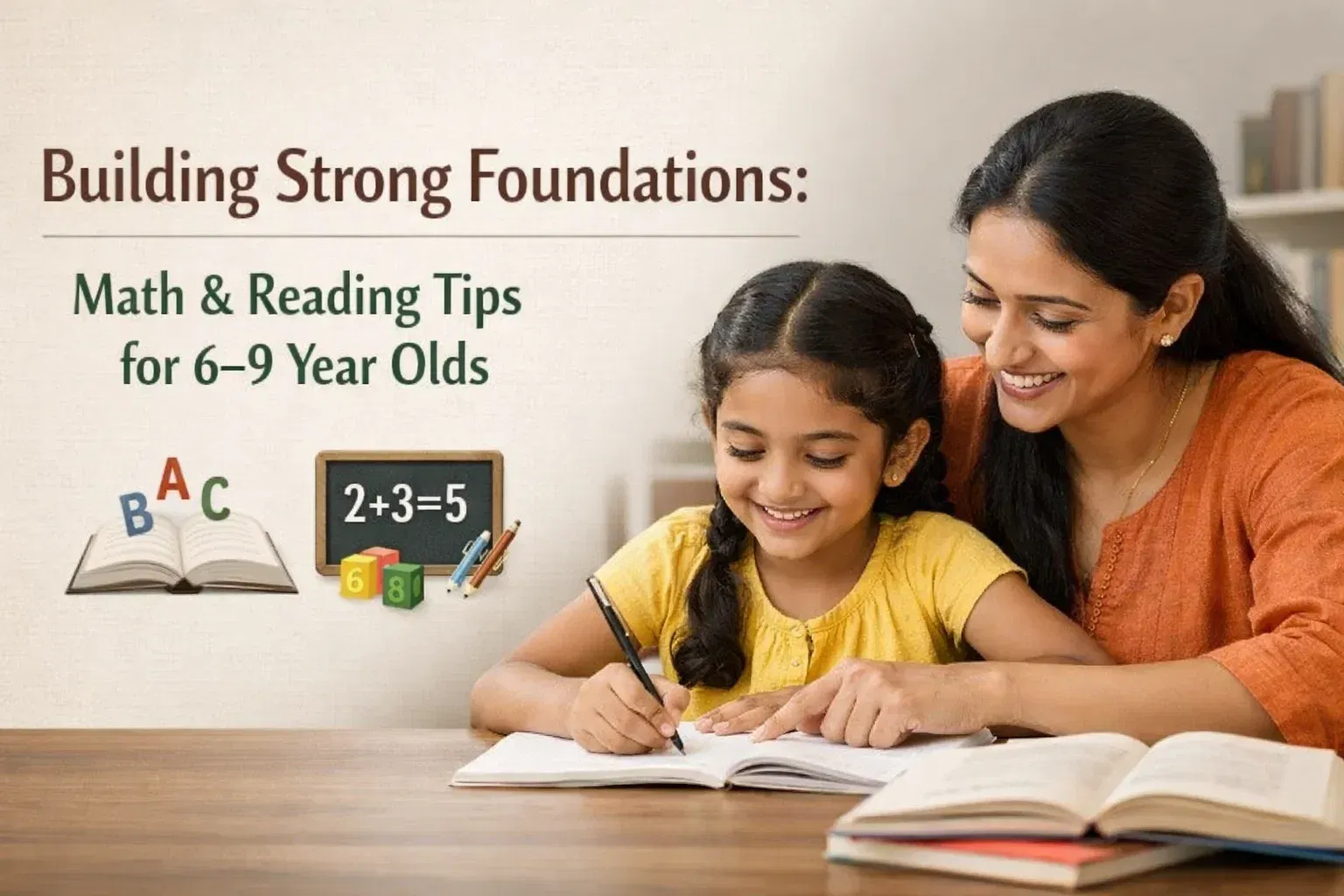
Children aged 6–9 learn best through play-based, activity-driven methods aligned with India’s NEP 2020 and NCERT foundational framework. Use math games, storytelling, and reading clubs to strengthen core skills without pressure. Consistent reading time, hands-on puzzles, and real-life math practice improve retention. For cognitive support, parents may consider DHA supplementation; Little Joys Brain DHA Gummies provide a child-friendly omega-3 option to support brain development. Combine playful learning with proper nutrition and routine for best results.
 Nisha Shah
Between ages 6 and 9, children move from “learning to read” to “reading to learn.”
This is also when math shifts from counting to understanding patterns, logic, and problem-solving.
The good news? Learning doesn’t have to feel like homework.
India’s NEP 2020 and the NCERT National Curriculum Framework (Foundational Stage) emphasize play-based and activity-based learning as the core of early education. The goal is conceptual clarity - not rote memorization.
Here’s how parents can support that at home.
📚 Make Reading a Daily Ritual
Children in this age group need:
- 20–30 minutes of daily reading
- Exposure to stories, informational texts, and poetry
- Discussions - not just silent reading
Practical Ideas:
✔ Create a mini home reading corner
✔ Rotate books weekly
✔ Start a “family reading hour”
✔ Ask open-ended questions:
- “Why do you think the character did that?”
- “What would you do differently?”
You can also explore structured activities in our guide:
Fun Math Puzzles for Kids and Reading Games for Young Learners
🔢 Make Math Visual & Play-Based
At this stage, math should feel like a game.
Try:
- Flashcard races
- Grocery store budgeting games
- Measuring ingredients while cooking
- Board games involving counting and strategy
Real-life math improves understanding far more than worksheets alone.
For example:
“Can you calculate how many apples we need if each person eats two?”
That’s applied math.
Read this:
Nisha Shah
🎭 Use Storytelling for Memory Retention
Storytelling strengthens:
- Vocabulary
- Comprehension
- Logical sequencing
- Emotional intelligence
Encourage children to:
- Create alternate story endings
- Narrate their school day like a story
- Act out scenes
Learning becomes embodied - not abstract.
🧠 Support Brain Development Nutritionally
Cognitive growth at this age is rapid.
Omega-3 fatty acids (especially DHA) are associated with:
- Brain cell development
- Focus and attention
- Memory support
If dietary intake of fatty fish or omega-rich foods is low, a child-friendly supplement like Little Joys Brain DHA Gummies may support daily intake in a convenient format.
Dr. Narendra Babu
Nutrition and learning go hand in hand.
🏫 Align With School, Don’t Compete With It
Parents often feel pressure to “stay ahead.”
Instead:
- Reinforce what’s taught in school
- Focus on understanding, not speed
- Avoid comparison
The NCERT framework encourages curiosity and exploration. Let your home reflect that philosophy.
Weekly Learning Plan (Simple Template)
- 5 days reading (20 minutes daily)
- 3 math game sessions
- 1 storytelling activity
- 1 creative writing attempt
- 1 practical life math activity
Conclusion Tip
Consistency matters more than intensity.
Strong foundations are built through:
Play. Conversation. Curiosity.
Not pressure.