
Maltodextrin in Baby & Kid Foods: Why It’s Added, Safety, and What Parents Should Know
Maltodextrin is a common carbohydrate in baby formula and foods, used for energy, smooth texture, and easier digestion. Generally safe for babies and kids, mild side effects like gas or loose stools are rare. This guide helps parents understand its uses, benefits, and safety precautions.

Parents today read food labels more carefully than ever. So when ingredients like maltodextrin in baby formula or maltodextrin in baby food show up, it’s natural to wonder what they do and whether they’re safe for babies or toddlers. This guide simplifies how maltodextrin fits into infant and child nutrition, why brands use it, and what caregivers should keep in mind.
Maltodextrin for Babies
Maltodextrin is a carbohydrate added to some baby formulas and foods to provide energy, improve texture, and make digestion easier.
Why Maltodextrin Is Used in Baby Formula
Baby formula manufacturers use maltodextrin for functional and nutritional reasons, not as a filler. It offers benefits that help mimic the structure and digestibility of breast milk when combined with other ingredients.
a) Energy Source
Babies need quick, easily digestible energy. Maltodextrin provides carbohydrates that break down smoothly, assisting infants who struggle with heavier starches.
b) Gentle Texture and Thickness
Many formulas use corn maltodextrin in formula to create a creamy, lump-free texture that dissolves well in water. This helps babies drink it comfortably without clogging bottles.
c) Digestive Support
Because maltodextrin is processed from natural starches, it becomes easier for young digestive systems to handle than raw starches like corn or rice flour.
d) Stability for Formula Powder
It helps maintain consistent taste and prevents clumping, which is especially important in humid countries.
These reasons explain why maltodextrin in infant formula is common globally, not just in India.
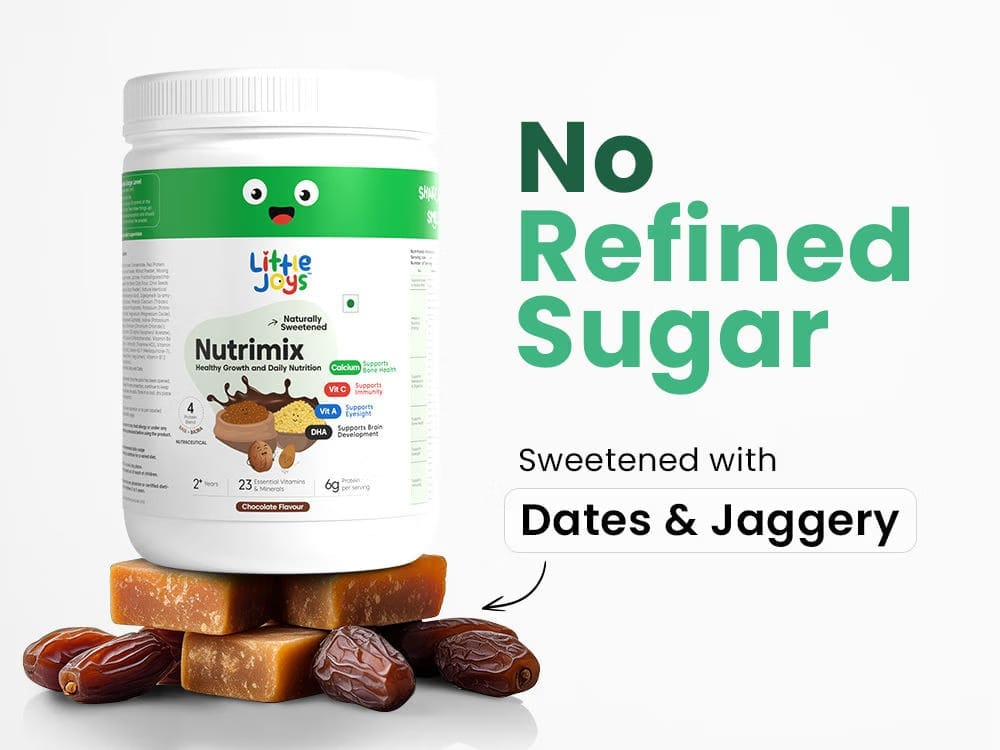
Nutrimix Chocolate Nutrition Powder
No refined sugar or maltodextrin.
Naturally sweetened with dates and jaggery.
5g of protein per serving of Nutrimix for kids aged 2-6 and 7-13 years
Boosts immunity with superfoods like ragi & bajra and 23 vitamins & minerals.
Why Formula Uses Maltodextrin
Formulas use maltodextrin to provide energy, improve mixability, support texture, and make digestion easier for infants.
Is Maltodextrin Safe for Babies or Kids?
The safety of maltodextrin for babies has been evaluated by major international food and health organisations. It is considered safe for use in regulated quantities in infant and child nutrition products.
Why Many Baby Formulas Use It
- It blends easily
- Supports calorie needs
- Helps mimic breast milk’s carbohydrate profile
- Works well with lactose and fats in modern formulas
When to Consult a Doctor
Parents should check with a paediatrician if:
- Their child has diagnosed food allergies
- They are on specialised formulas (hydrolysed, lactose-free)
- A baby experiences unusual reactions
For most infants, maltodextrin safe for babies holds true as long as intake is from age-appropriate products.
Is Maltodextrin Bad for Babies?
No, maltodextrin is not considered bad for babies when it appears in regulated amounts in infant formula or baby foods.
Possible Side Effects in Babies (When They Happen)
Side effects are uncommon and generally tied to excess consumption or individual sensitivity, not the ingredient itself.
a) GI Discomfort
Some babies may experience:
- Gas
- Fussiness
- Mild bloating
This usually happens if the formula is over-concentrated or a baby has a sensitive gut.
b) Loose Stools in Toddlers
A small number of parents notice maltodextrin loose stool toddler patterns. This is typically mild and resolves when intake is balanced.
c) Allergy Signs (Rare)
Reactions may occur if the child has sensitivity to the source starch (corn, rice, potato). Symptoms include:
- Rash
- Vomiting
- Diarrhoea
These are rare but should always be discussed with a doctor.
Maltodextrin Side Effects in Babies
Mild gas or loose stools may occur if intake is high. True allergies are rare.
Maltodextrin vs Lactose vs Corn Starch in Formula
A quick comparison for parents choosing between formula options:
Maltodextrin sits between lactose and starch-easy like lactose, but offering structure like starch.
Maltodextrin vs Corn Starch
Maltodextrin digests faster than corn starch and improves formula texture without making it too thick.
Should Parents Avoid Maltodextrin in Baby Foods?
A blanket “avoid it” is not necessary. What matters is context:
You don’t need to avoid maltodextrin when:
- It is part of a paediatrician-recommended formula
- Your baby tolerates it well
- It appears in small amounts in balanced foods
You should be cautious when:
- Your child has sugar-sensitivity
- Your baby already struggles with loose stools
- Overconsumption replaces whole foods in toddlers
For most children, maltodextrin in baby food is safe and functional, not harmful.
Maltodextrin for Kids
Maltodextrin is widely used and generally safe for babies and kids when consumed in regulated quantities through age-appropriate foods. But it is always advised to choose a healthier alternative.