
Ideas for Healthy School Tiffin Boxes for Indian Kids
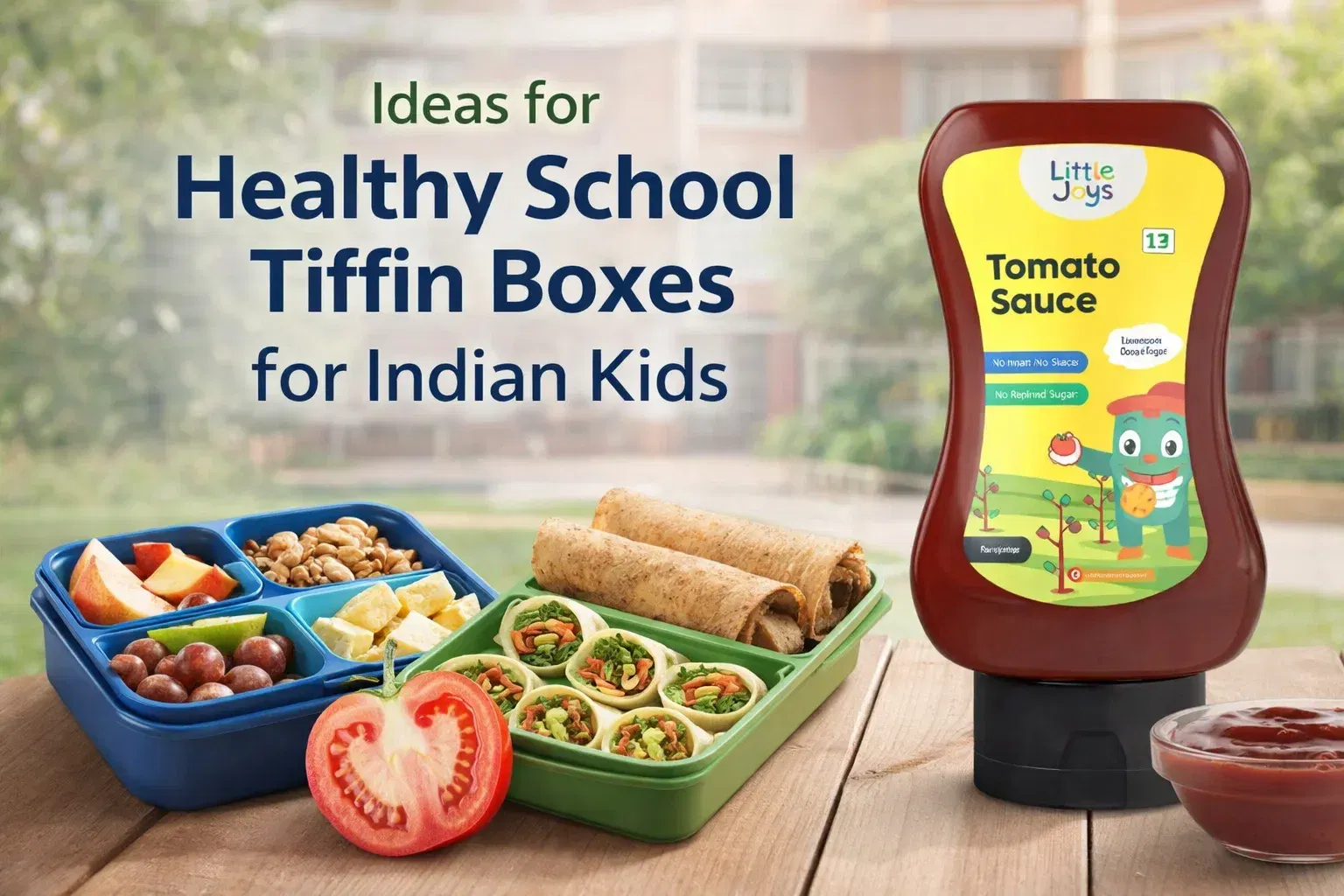
A good school tiffin box is eaten, not returned. That means palatability comes first. Nutritional excellence in a box that comes home untouched every day is worth nothing. The framework below balances both - practical Indian formats that children accept, with ingredient upgrades that meaningfully improve nutritional value.
 Team MosaicWellness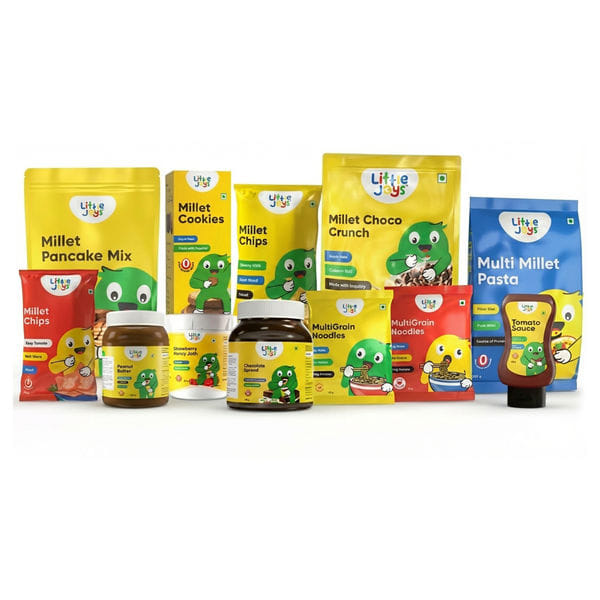
The Tiffin Box Structure
Every tiffin should cover three components: a carbohydrate base, a protein source, and something fresh (fruit, vegetable, or curd). The fourth slot - something the child looks forward to - is what drives the box being opened.
10 Practical Tiffin Ideas
1. Dal paratha + curd + seasonal fruit
A dal-stuffed paratha provides protein and iron from the dal alongside the carbohydrate base. Curd adds protein and probiotics. One of the most nutritionally complete single-tiffin combinations available.
2. Ragi roti with nut butter and banana
Ragi roti (higher calcium and iron than wheat) with a spread of natural peanut butter. Banana wrapped separately. A high-protein, high-calcium combination that travels without refrigeration.
3. Paneer rice or paneer roti roll
Leftover rice mixed with small paneer cubes, mild spices, and peas. Paneer provides 18g of protein per 100g - one of the most protein-dense plant foods available. Roll format works for older children who prefer finger foods.
4. Moong dal khichdi + pickle + carrot sticks
Moong dal khichdi is easy to digest, protein-rich, and accepted by most children. Carrot sticks travel well and add Vitamin A and crunch. A small amount of pickle adds flavour that helps many children eat the whole box.
5. Egg sandwich on whole grain bread
Two slices of whole grain bread with a scrambled or mashed boiled egg, mild seasoning, and a slice of tomato. Protein, B12, and complex carbohydrates. Prepare in 5 minutes from a pre-boiled egg kept in the fridge.
6. Bajra roti with dal and curd
Bajra provides 8 mg of iron per 100g - the highest of any common Indian grain. Paired with dal and a small curd container, this covers iron, protein, and probiotics together.
7. Millet choco crunch + fruit + boiled egg
For children who resist cooked lunch, a snack-format tiffin of millet-based crunch snacks alongside a seasonal fruit and a boiled egg provides carbohydrate, protein, and vitamins in formats most children accept.
Little Joys_1s9frf.jpg?tr=w-600)
8. Upma with peas and peanuts
Semolina upma with peas (protein, folate) and peanuts (protein, healthy fats) is a complete one-pot format that reheats well and is widely accepted across age groups. Add a piece of fruit alongside.
9. Roti roll with paneer and curd dip
Small rotis rolled around seasoned paneer strips, packed alongside a small container of curd for dipping. The handheld roll format is popular with primary school children who eat better when food requires no cutlery.
10. Millet pancakes + peanut butter + banana
A batch of ragi-bajra pancakes prepared in the morning. Spread with natural nut butter, rolled with half a banana inside. One of the most nutrient-dense portable tiffin formats available for children aged 4+.
Little Joys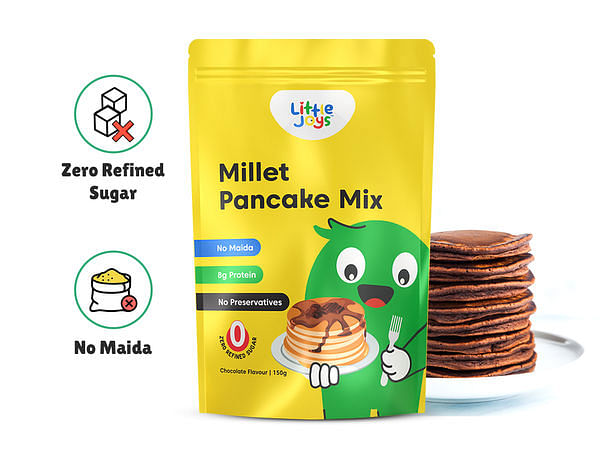
What to Avoid in the Tiffin Box
Packaged biscuits or chips as the primary item, sweetened juice in a bottle, and refined flour sandwiches with only vegetable filling (no protein source) are common tiffin mistakes. Each of these leaves children hungry before lunch ends and provides minimal nutritional return.
FAQ
Q: How do I keep the tiffin box fresh for 4-6 hours?
Use an insulated box. Pack dry and wet components separately to prevent sogginess. Curd and paneer items benefit from a small ice pack in the tiffin bag. Fruit and dry snacks need no refrigeration.
Q: My child eats only 2-3 foods - how do I build variety?
Introduce one new tiffin component per week alongside an accepted food. Keep the new item small (a few carrot sticks, one new cracker type). The familiarity of the rest of the tiffin provides the confidence needed to try the new element.