
How to Pack a Nutritious Lunchbox for School Kids
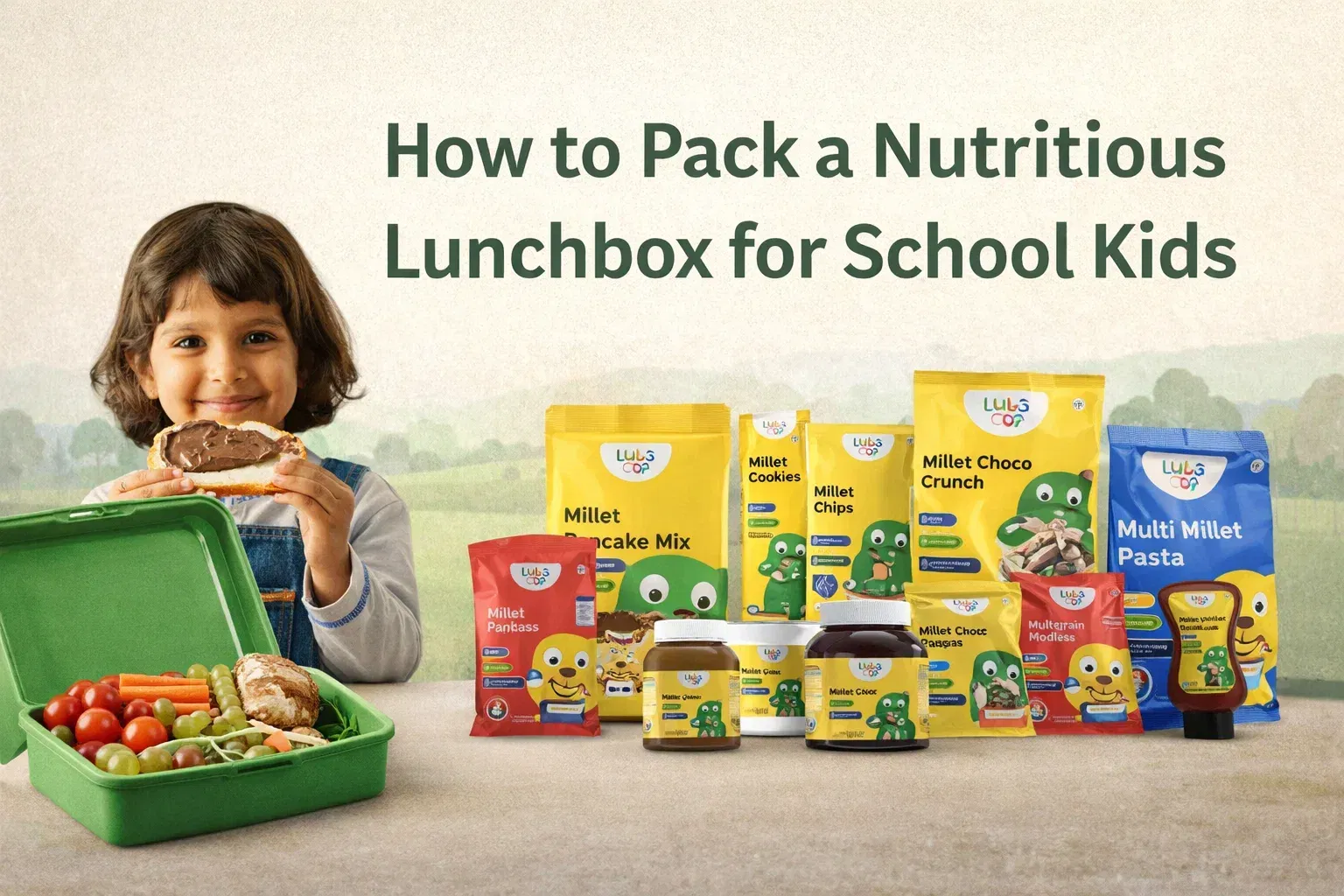
A nutritious school lunchbox needs four components: a protein source, a complex carbohydrate, a fruit or vegetable, and something the child will actually eat. Getting all four right is the challenge. This guide covers what to include, what to skip, and how to build lunchbox habits children accept without daily negotiation.
 Team MosaicWellness
The Four-Component Framework
1. Protein anchor (choose one)
Protein is the most commonly missing element in Indian school lunchboxes. Without it, the carbohydrate-heavy lunch produces an energy crash by mid-afternoon.
- Dal paratha or dal rice - dal provides protein, complex carbs, and iron together
- Paneer in any form - one of the most calorie and protein-dense plant foods; works in roti, rice, or snack formats
- Egg in a sandwich, wrap, or boiled as a side
- Curd in a small container - protein and probiotics alongside the main carbohydrate
2. Complex carbohydrate base
- Ragi or bajra roti - higher iron and calcium than wheat, better glycaemic response
- Brown rice or multigrain rice - more fibre and minerals than white rice
- Millet-based pasta or noodles - an accepted format for children who resist traditional millet preparations
3. Fruit or vegetable
Something that travels without refrigeration and requires no preparation at school. Seasonal and practical:
- Banana - potassium, natural energy, universally accepted
- Cucumber or carrot sticks - require no cutting if prepared at home, hold well for 4-6 hours
- Seasonal fruit cut at home - mango, guava, apple depending on season
4. Enjoyment component
A small amount of something the child looks forward to - a few almonds and raisins, a millet crunch snack, or a piece of whole-fruit jam on a small roti. This component drives the child to open and eat the lunchbox rather than trading or discarding it.
What to Avoid in the School Lunchbox
Refined flour-based snacks as the main item - biscuits, maida sandwiches, and packaged noodles as the primary carbohydrate displace protein and create the afternoon energy crash.
Sweetened drinks in a bottle - juice boxes and sweetened flavoured milk add sugar without sustaining satiety. Plain water or unsweetened buttermilk is better.
Foods that don't travel well - curd rice and dal-based foods need proper containers. Soggy food reduces the chance a child actually eats the lunchbox by mid-morning.
Building the Lunchbox Habit
Children are more likely to eat a lunchbox they helped build. From age 4-5, involving the child in choosing between two options for each component ("dal paratha or egg sandwich?") improves acceptance significantly. The goal is consistency over perfection - a lunchbox eaten completely is always better than a nutritionally ideal box returned untouched.
FAQ
Q: My child trades or throws away the lunchbox - what should I do?
The first issue to solve is palatability, not nutrition. Find out what the child does enjoy eating and build from there. Starting with foods they accept and gradually introducing one new element per week is more effective than a comprehensive nutritious overhaul that produces a full lunchbox return.
Q: How do I keep lunchbox food fresh for 4-6 hours?
Use an insulated lunchbox with a small ice pack for dairy items (curd, paneer). Dry snacks (rotis, fruit, crackers) stay fresh without refrigeration. Avoid adding sauces or chutneys to rotis or bread in the morning - pack them separately to prevent sogginess.