
Foods That Contain Maltodextrin: Full List, How to Spot It & When to Limit It
Maltodextrin is a common additive in many packaged, instant, and baby foods. Learn which foods contain it, how to spot it on labels, and when limiting it may be helpful for blood sugar, digestion, or cleaner eating. Perfect guide for parents and health-conscious adults.
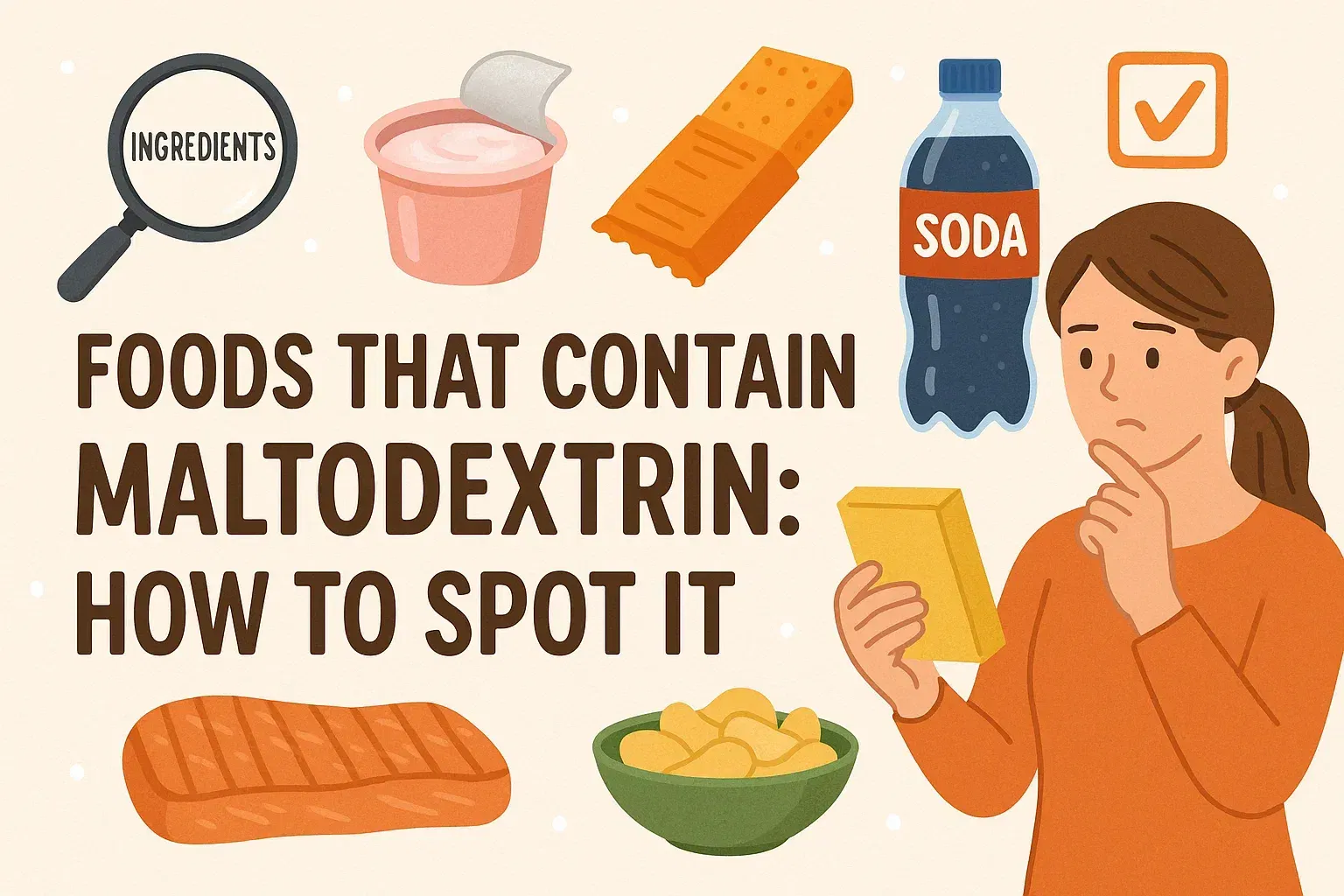
Maltodextrin shows up in more foods than most people realise. It’s a common ingredient used for texture, stability, and quick energy - especially in packaged or instant products. Here’s a clean, practical breakdown of foods that contain maltodextrin, how to identify it on labels, and when it makes sense to limit it.
1. What Types of Foods Commonly Contain Maltodextrin?
You’ll find foods with maltodextrin mostly in items that need thickening, binding, or improved shelf-life. Typical categories include:
- Packaged snacks: chips, namkeen, baked snacks
- Instant foods: noodles, soups, ready-mixes
- Electrolytes & sports drinks: for quick carbs
- Baby products: some formulas, cereals (neutral mention)
- Sauces & dressings: dips, salad dressings, gravies
- Desserts: puddings, custards, ice cream mixes
- Protein powders & supplements: as a filler or carb source
These don’t always contain it - but it’s commonly used across these categories.
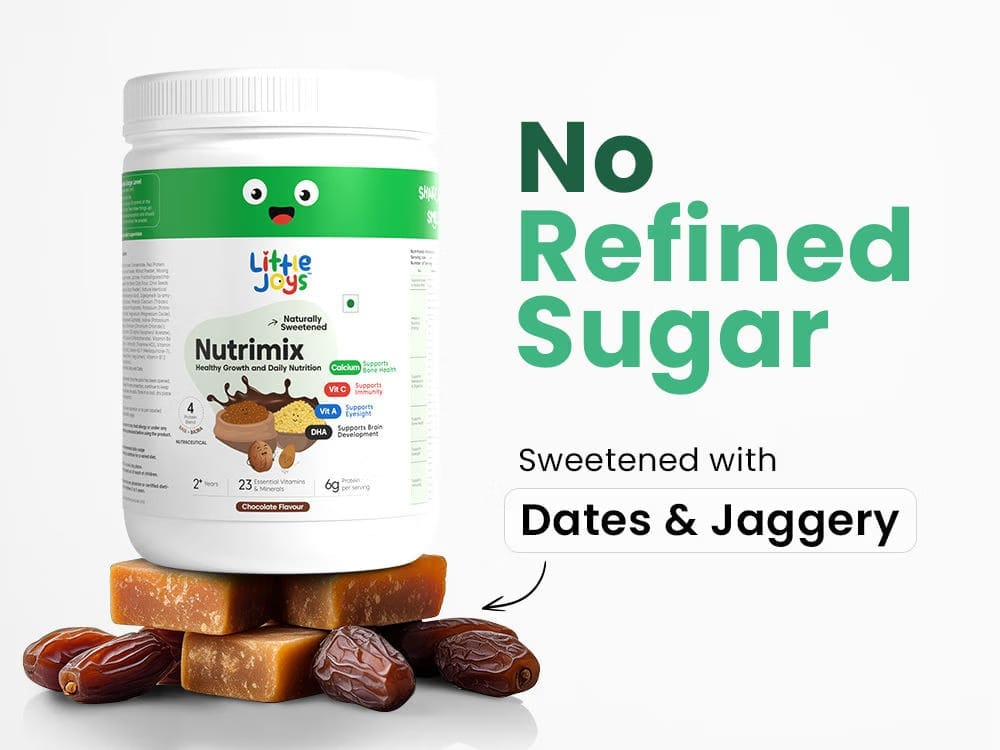
Nutrimix Chocolate Nutrition Powder
No refined sugar or maltodextrin.
Naturally sweetened with dates and jaggery.
5g of protein per serving of Nutrimix for kids aged 2-6 and 7-13 years
Boosts immunity with superfoods like ragi & bajra and 23 vitamins & minerals.
2. Foods in India That Commonly Include It
In Indian households, the most frequent maltodextrin foods in India include:
- Packaged namkeen & mixtures
- Instant upma, poha, and soup packets
- Electrolyte powders (ORS, sports mixes)
- Sweets & halwa mixes
- Ready masala blends
- Biscuits, cookies, packaged cakes
- Flavoured curd and drink mixes
Not all brands use it - but these are the most frequent categories where foods rich in maltodextrin appear.
3. How to Identify Maltodextrin on a Label
When reading labels, look for:
- “Maltodextrin”
- “Corn maltodextrin”
- “Potato maltodextrin”
- “Rice maltodextrin”
- “Modified starches” (sometimes used interchangeably)
It usually appears in the mid-section of the ingredient list - rarely at the top unless it’s the primary carbohydrate.
A quick rule: If the food is instant, thick, fluffy, or “ready in 2 minutes,” maltodextrin might be present.
4. Should You Avoid Foods With Maltodextrin?
Not necessarily. Maltodextrin is considered safe to eat, and in most foods, the amount is small.
However, you may want to limit products with maltodextrin if:
- You’re watching blood sugar
- You prefer minimally processed foods
- You’re reducing packaged/instant foods
- You experience digestive sensitivity to additives
It’s less about “maltodextrin bad for health” and more about your overall food pattern.
5. What to Choose If You Want to Avoid It
If you want to reduce what foods have maltodextrin in them, opt for:
- Whole foods: fruits, vegetables, unprocessed grains
- Homemade snacks: roasted nuts, chivda, energy balls
- Minimally processed items: single-ingredient flours, unsweetened dairy
- Products with short ingredient lists
- Brands that specify “no added starches” or “clean label”
Reading the ingredient list is the simplest way to avoid unwanted additives altogether.