
DHA Omega-3 for Kids: The Ultimate Guide for Parents

If there is one nutrient that genuinely earns the label "brain food," it is DHA. Not through marketing, but through decades of research on what the brain is actually made of - and what it needs to build itself correctly during childhood.
This guide covers what DHA is, how much children need, why most Indian children are low on it, and how to address the gap practically.
View Little Joys Brain Gummies for dha omega-3
DHA in Supplements: What to Look for
When choosing a DHA supplement for a child:
- Algal DHA - the plant-based direct source, appropriate for vegetarian families
- Age-appropriate dose - check that the supplement delivers amounts within the recommended daily ranges above
- Combined with other brain nutrients - DHA works synergistically with choline, Vitamin B12, and iron for neural development; a formula including these is more complete than DHA alone
- Zero added sugar - important for a daily supplement
- Third-party tested - verifies actual DHA content matches the label
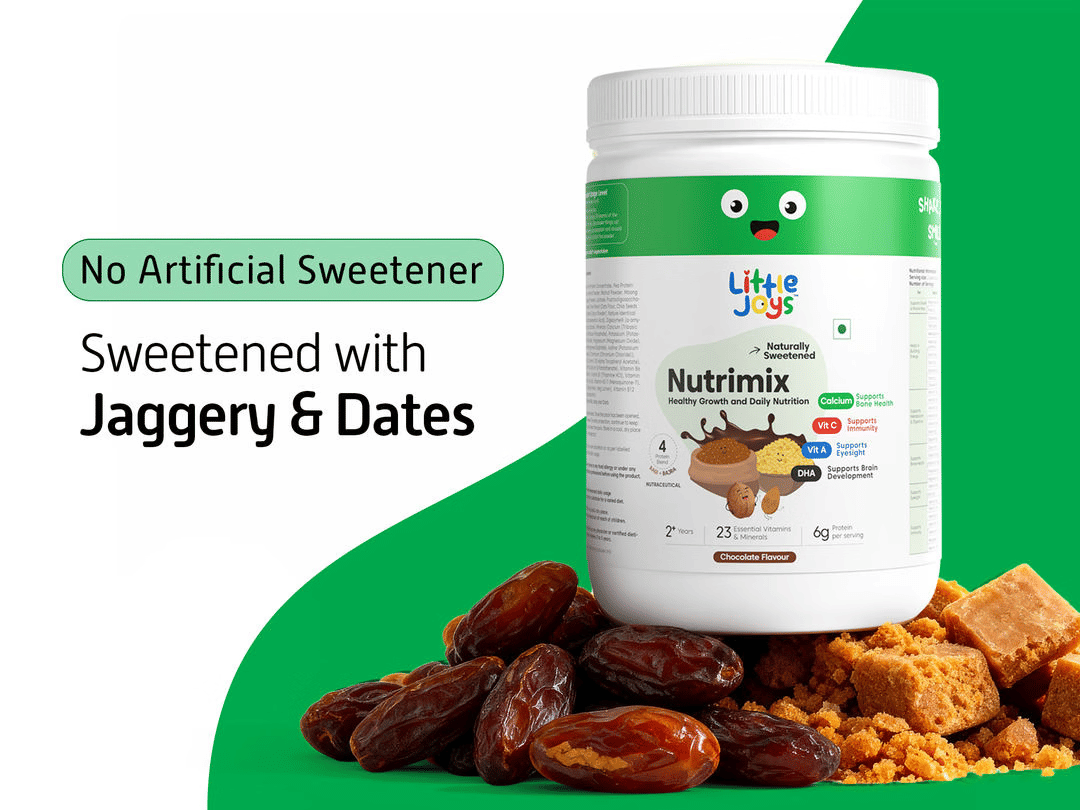
Little Joys Brain Gummies provide algal DHA directly alongside other brain-supportive nutrients. For broader daily nutrition that also includes DHA, Little Joys NutriMix includes DHA from a plant-based source as part of its complete formulation.
What Is DHA and Why Does It Matter So Much?
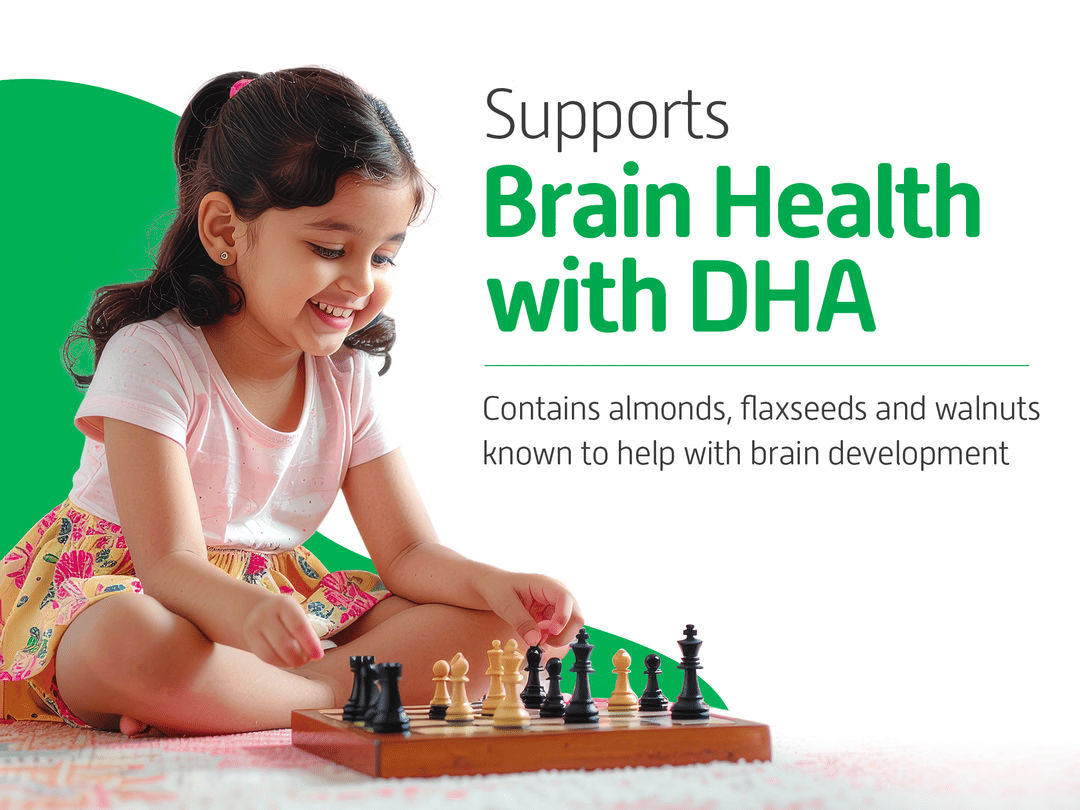
DHA (docosahexaenoic acid) is a long-chain Omega-3 fatty acid. It is the primary structural fat in the human brain, making up approximately 15-20% of all fatty acids in the cerebral cortex and 30-60% of the fatty acids in the retina.
During childhood, the brain adds millions of neural connections every day. DHA is a literal building material for these connections. It is incorporated into cell membranes throughout the brain and nervous system, influencing:
- Neural development and connectivity - the formation and maintenance of synaptic connections that underpin learning
- Visual processing - DHA is the dominant fat in photoreceptor cells; adequate DHA is directly linked to visual acuity
- Attention and focus - children with consistently low DHA show measurable differences in sustained attention compared to those with adequate intake
- Immune regulation - DHA modulates inflammatory response, helping the immune system respond proportionately without over-reacting
How Much DHA Does a Child Need Per Day?
| Age | Recommended DHA Intake |
|---|---|
| 1-3 years | 70-100 mg per day |
| 4-8 years | 90-120 mg per day |
| 9-13 years | 120-200 mg per day |
| Teens | 200-250 mg per day |
These are daily targets from combined food and supplement sources.
Why Most Indian Children Are Low on DHA
DHA is found in high concentrations in fatty fish (salmon, mackerel, sardines) and in smaller amounts in eggs. For children in vegetarian or predominantly plant-based families - the majority of Indian households - neither source features regularly in the diet.
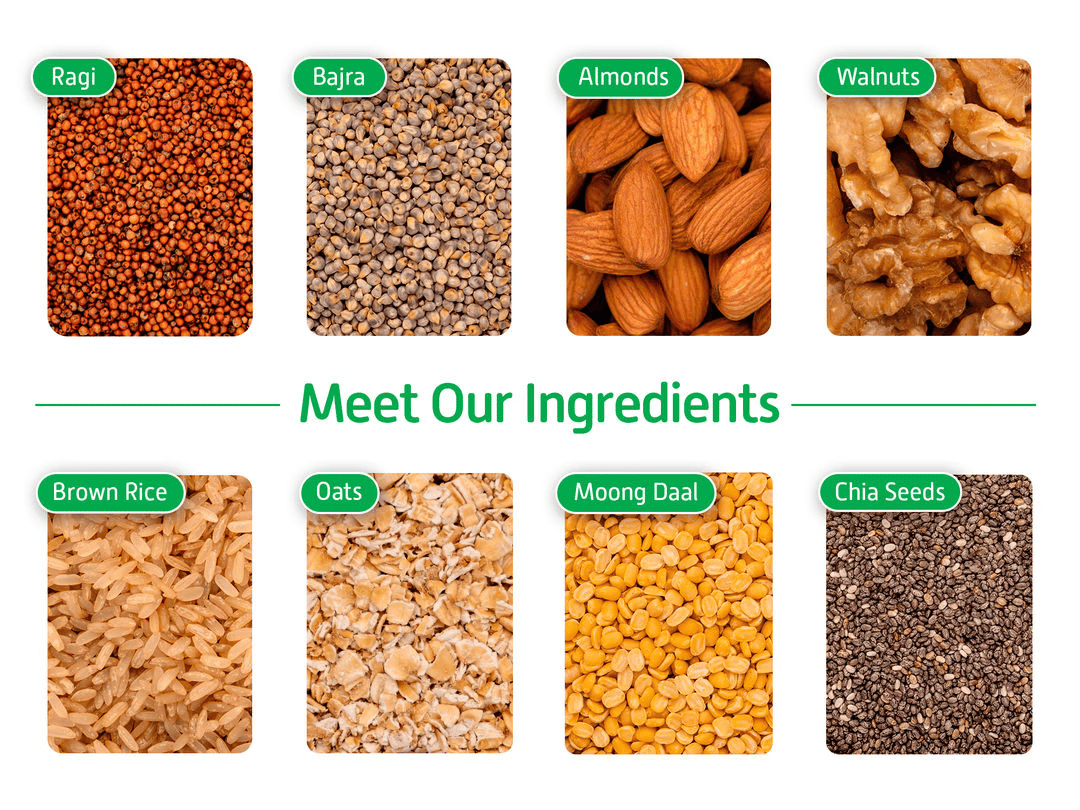
The body can convert ALA (found in walnuts, flaxseed, and other plant foods) to DHA, but this conversion is inefficient - typically 5-15%. Relying on ALA conversion alone rarely produces adequate DHA levels in children.
Algal DHA is the exception: it is the original marine source of DHA (fish accumulate DHA by eating algae). Algal oil provides direct, pre-formed DHA without the conversion inefficiency of ALA sources - and without the fish allergen.
Best Sources of DHA for Children
Algal DHA oil The most reliable plant-based direct DHA source. Derived from marine algae rather than fish, making it appropriate for vegetarian families and those avoiding fish allergens. Used in quality children's supplements specifically because the DHA is pre-formed and bioavailable.
Fatty fish Salmon, sardines, mackerel, and hilsa provide 500-1000+ mg DHA per 100g serving - well above daily requirements in a single meal. For non-vegetarian families, 2-3 servings of fatty fish per week covers DHA requirements for most age groups.
Eggs (enriched) Standard eggs provide a small amount of DHA (20-50 mg). DHA-enriched eggs from hens fed an Omega-3 rich diet provide significantly more and are a practical option where available.
Walnuts and flaxseed These provide ALA, which the body partially converts to DHA. Valuable as part of the overall Omega-3 intake, but insufficient as a sole DHA source for most children due to conversion limitations.
FAQ
Q: Can vegetarian children get enough DHA without fish?
Yes - algal DHA supplements provide direct, pre-formed DHA at the same bioavailability as fish-derived DHA. Combined with regular walnuts and flaxseed for ALA, vegetarian children can meet DHA requirements reliably.
Q: Is fish oil better than algal DHA for children?
Both provide pre-formed DHA at similar bioavailability. Fish oil may contain EPA alongside DHA. Algal oil is the sustainable, plant-based alternative free from fish allergens and oceanic contaminants. For vegetarian families, algal DHA is the clear choice.
Q: How long before DHA supplementation shows results in children?
DHA accumulates in brain tissue gradually. Cognitive and attention-related improvements are typically noticed after 8-12 weeks of consistent daily supplementation. Visual development benefits are longer-term and most significant when DHA is adequate during early childhood.