
Calcium-Rich Foods Kids Will Actually Eat
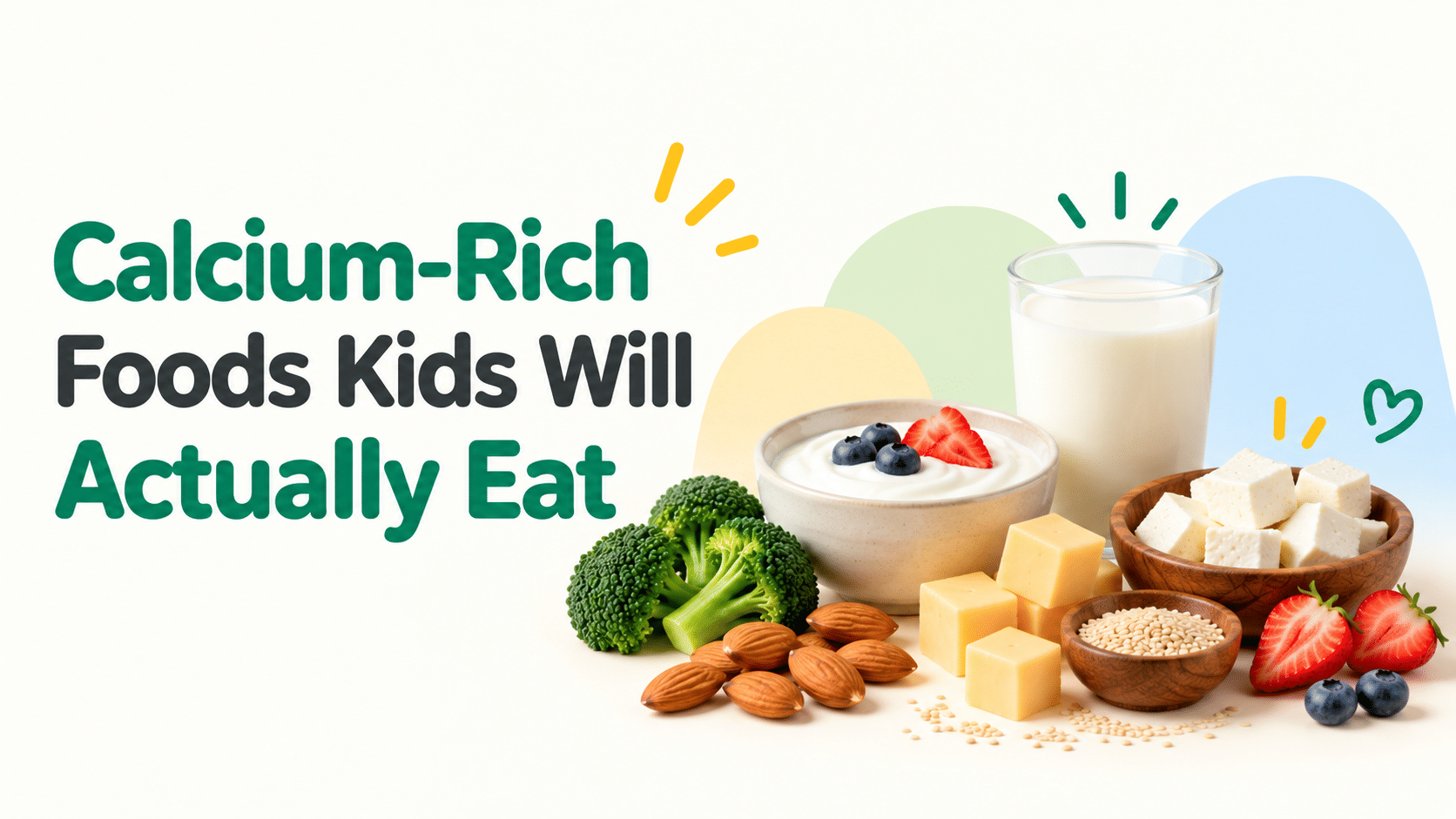
Milk is not the only way a child gets calcium, and if yours won't drink it, that is not the small disaster it can feel like at 8am. Indian kitchens are quietly full of calcium - some of it in foods you are probably already cooking. That is the useful thing to hold onto here, because the milk standoff is one of the most common reasons parents start worrying about calcium in the first place, and it is largely a false alarm.
Calcium matters for one clear reason: it is the mineral bones are built from. Strong, well-mineralised bones through childhood - that is the honest goal, and it is worth being precise, because a lot of calcium marketing quietly slides from "bones" into promises about how tall a child will be. Height is set by many things, mostly outside your control and none of them a supplement. Bone strength is the thing calcium actually speaks to. Keep the two apart and you will make calmer decisions.
 Little Joys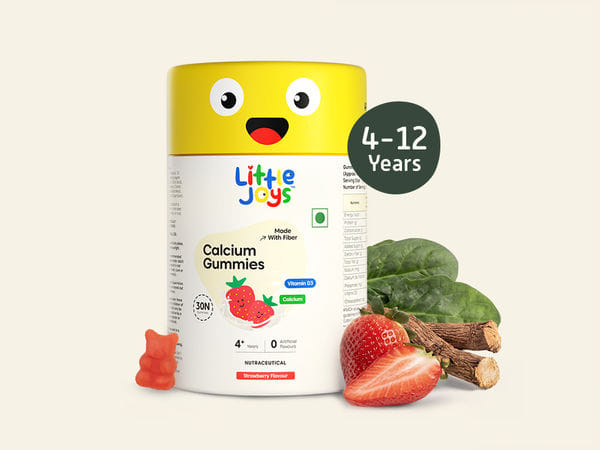
So, the foods. Dairy is the obvious, dense source - a glass of milk, a bowl of curd, a few cubes of paneer, and a child is a good way toward the day's calcium. But the more useful list for a milk-refuser is everything else.
Ragi, first and loudest. Finger millet is one of the richest plant sources of calcium available cheaply across India, far ahead of most grains. Ragi porridge, ragi dosa, ragi in a roti or a laddoo - for a child who won't drink milk, this is the single best swap you can make, and it is a food, not a supplement.
Sesame, next. Til is remarkably calcium-dense. A til-jaggery chikki or laddoo is an old winter habit that happens to be a calcium delivery system a child will ask for.
Then the everyday supporting cast: almonds (soaked and chopped into things, or as a paste), rajma and chana and other pulses, tofu, amaranth and methi and other greens. A quick honest note on spinach specifically - it does contain calcium, but also oxalates that block a chunk of it from being absorbed, so it is a contributor, not a hero. Variety covers what any single food misses.
One pairing worth knowing: calcium needs vitamin D to be absorbed well. Without enough D, the gut takes up only a fraction of the calcium a child eats. Sunlight is the main source, food gives a little, and this is exactly why bone-focused supplements pair the two. It is also why, if you are going to worry about anything, D status is often the more useful thing to raise with your paediatrician than calcium grams.
For most kids, a plate that includes some dairy or ragi, pulses through the week, and the odd til treat handles calcium without anyone counting. The children where a top-up sometimes makes sense are the genuine dairy-refusers and very selective eaters - and even then, food first, product second.
If you have gone the food-first route and want everyday calcium support for a child aged 4 or older, Little Joys makes a Calcium Gummy that pairs calcium with vitamin D3 for exactly the absorption reason above, and a Bone Health Kit built around the same idea. Worth reading what is in them and checking with your doctor if you are unsure - a gummy is a support to a calcium-aware plate, not a replacement for it.
Little JoysFrequently asked questions
What foods are highest in calcium for kids in India?
Dairy (milk, curd, paneer) is the densest, but ragi (finger millet) and sesame (til) are outstanding non-dairy sources, followed by almonds, tofu, pulses and leafy greens. Ragi is the standout swap for a child who won't drink milk.
My child won't drink milk - will they be calcium-deficient?
Not necessarily. Milk is convenient, not irreplaceable. A child eating ragi, curd or paneer, pulses and the occasional til treat can do well without it. If you are genuinely concerned, ask your paediatrician rather than guessing.
Does calcium make children taller?
No. Calcium supports bone strength, not height - height is driven mostly by genetics and overall nutrition over years. Be wary of any product that promises height from calcium.
Do kids need calcium supplements?
Most don't if their diet includes dairy or ragi and some variety. Supplements can help a dairy-refusing or very selective eater aged 4+, ideally alongside adequate vitamin D and a doctor's input.