
Brown Rice Protein for Kids: Benefits and How It Compares
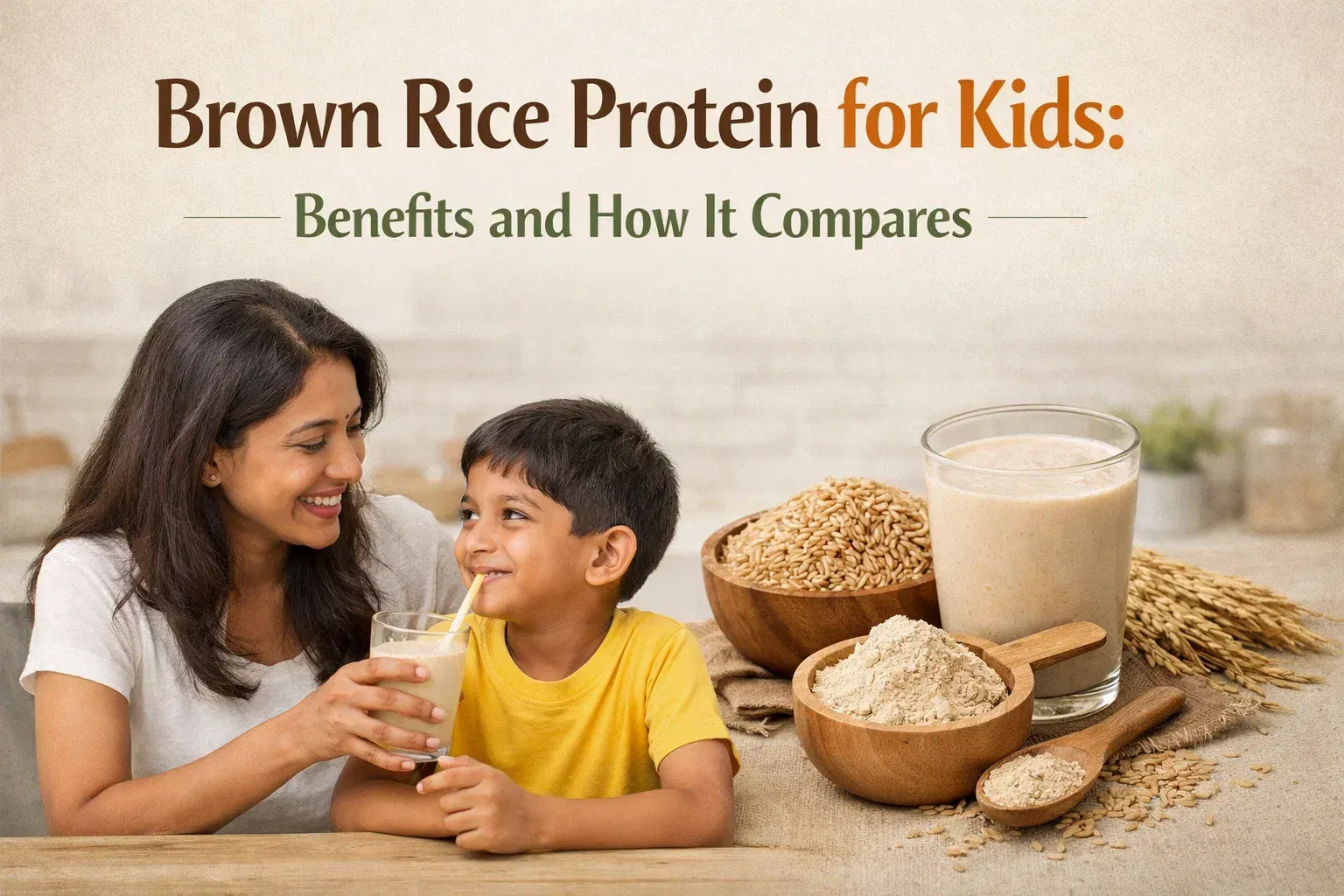
Brown rice protein rarely makes headlines. It does not carry the marketing weight of whey or the buzzword status of pea protein. Yet in well-formulated children's nutrition products, it plays a specific and valuable role - one that the more popular alternatives cannot fill alone.
Here is an honest breakdown of what brown rice protein is, what it does well, and where it fits in a child's diet.
What to Look for in a Product Using Brown Rice Protein
- Listed as part of a multi-source blend - not as the sole protein source
- Combined with a lysine-rich protein (pea, dal, or legume-based)
- No artificial flavours or preservaties - rice protein has a mild, neutral taste that does not require masking with artificial additives
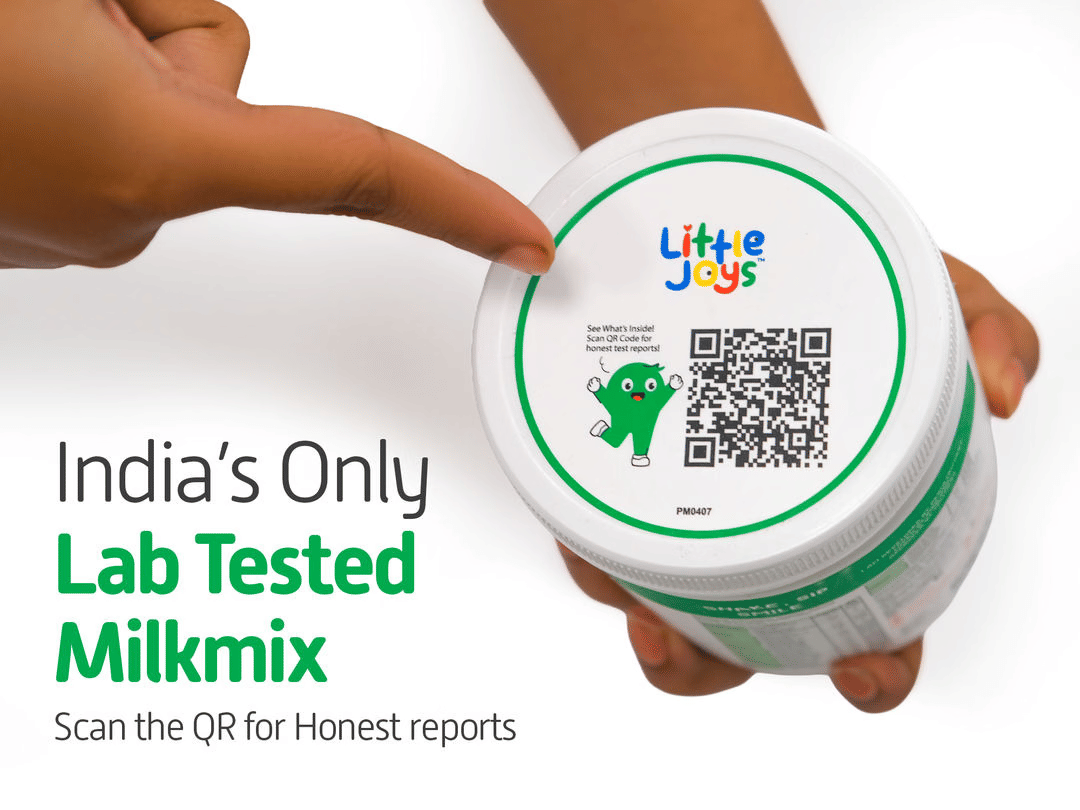
- Third-party tested for actual protein content
- Age-appropriate serving size - adult protein supplements use doses not calibrated for children
What Is Brown Rice Protein?
Brown rice protein is extracted from whole grain brown rice by separating the protein fraction from the starch and fibre through a natural enzymatic process. The result is a concentrated plant protein that retains the amino acid profile of the original grain.
Unlike white rice - which is low in protein after milling - brown rice protein concentrate can reach 70-80% protein by weight. It is naturally free from dairy, gluten, soy, nuts, and eggs, making it one of the most broadly allergen-safe protein options available.
How Brown Rice Protein Compares to Other Sources
| Protein Source | Protein per 100g | Allergen Status | Methionine Level | Lysine Level |
|---|---|---|---|---|
| Brown rice protein | 70-80g | Dairy/gluten/soy/nut free | High | Low |
| Pea protein | 80-85g | Dairy/gluten/soy free | Low | High |
| Whey protein | 80-90g | Contains dairy | High | High |
| Egg white | 81g | Contains egg | High | High |
The key insight from this table: brown rice protein is high in methionine but low in lysine. Pea protein is the opposite - high in lysine, low in methionine. Together, pea and rice protein form a complementary complete amino acid profile that rivals whey in completeness - without the dairy allergen.
This is precisely why quality children's nutrition products use both together rather than either alone.
What Brown Rice Protein Does Well for Children
Allergen safety For families managing dairy allergies, gluten sensitivity, soy concerns, or nut allergies, brown rice protein covers protein needs without the allergen risk that eliminates most other concentrated protein sources.
High methionine for growth and immune function Methionine is a sulphur-containing essential amino acid involved in protein synthesis, cell growth, and immune function. Children low in methionine show reduced growth rate and impaired immune response. Brown rice protein is one of the richest plant-based sources of this specific amino acid.
Digestibility Brown rice protein has a high digestibility score - comparable to pea protein and meaningfully better than some legume proteins that ferment in the gut before being absorbed. For children with sensitive digestion or those recovering from gut disruption, this matters.
Gentle on the gut Unlike legume proteins (dal, soy), rice protein does not produce gas or bloating. Children with gastrointestinal sensitivity who struggle with legume-based proteins tolerate rice protein well.
The Limitation: Lysine
Brown rice protein's primary nutritional gap is lysine - an essential amino acid important for growth, calcium absorption, and immune cell production. This is why rice protein alone is not ideal as a sole protein source.
The solution is pairing. Brown rice protein combined with pea protein, moong dal, or any legume-based protein covers the lysine gap completely. This is the approach taken in well-designed children's nutrition powders.
Top Picks That Use Brown Rice Protein Effectively
1. Little Joys NutriMix
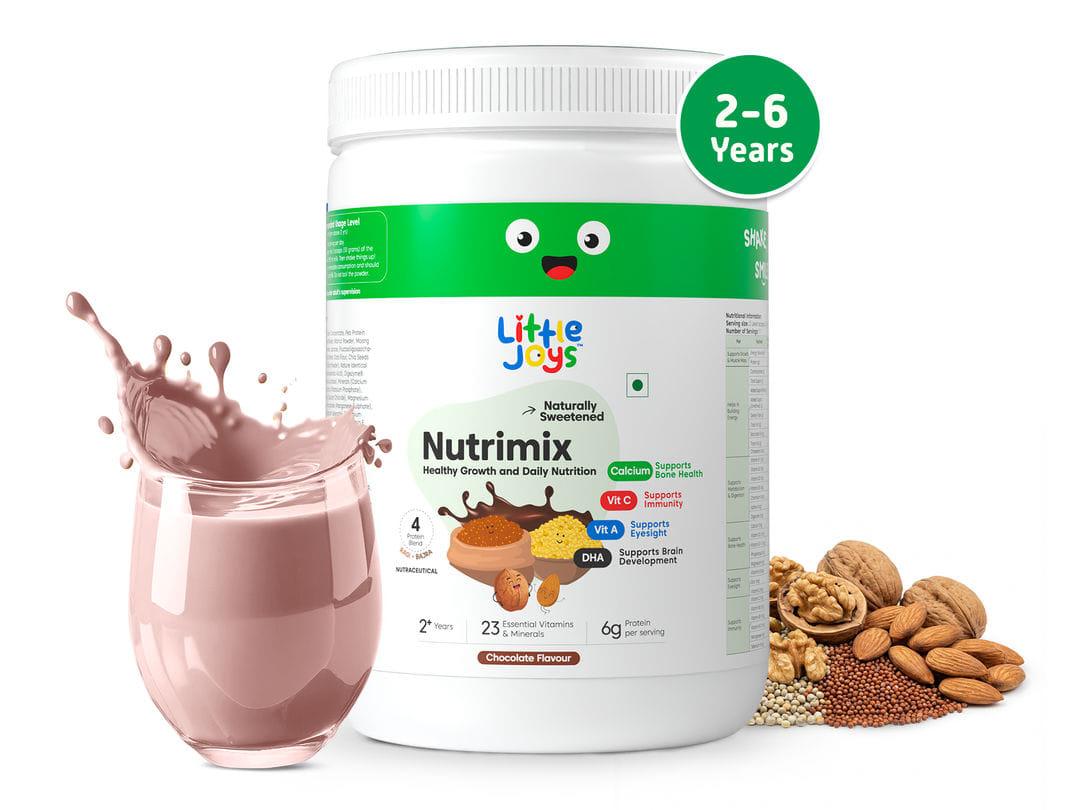
NutriMix uses brown rice protein as part of a multi-source blend alongside moong dal, peas, almonds, and walnuts. This combination covers the full amino acid spectrum - rice protein supplies methionine, peas and moong supply lysine, and together they produce a complete protein profile without relying on dairy or soy.
The whole grain base of ragi and bajra adds context: the protein sits within a nutritional matrix of calcium, iron, zinc, and fibre rather than being delivered in isolation. Zero refined sugar, GMP certified, third-party tested.
FAQ
Q: Is brown rice protein better than whey for children?
For children without dairy allergies, whey is an excellent protein with a complete amino acid profile and high digestibility. Brown rice protein is preferable for vegetarian families, children with dairy sensitivity, or as part of a plant-based blend. Neither is universally better - context determines the right choice.
Q: Can brown rice protein cause allergies?
Rice allergies are rare. Brown rice protein is one of the least allergenic concentrated protein sources available. For children with multiple food allergies, it is often the safest plant protein option.